Children in Pliofilm, 1939
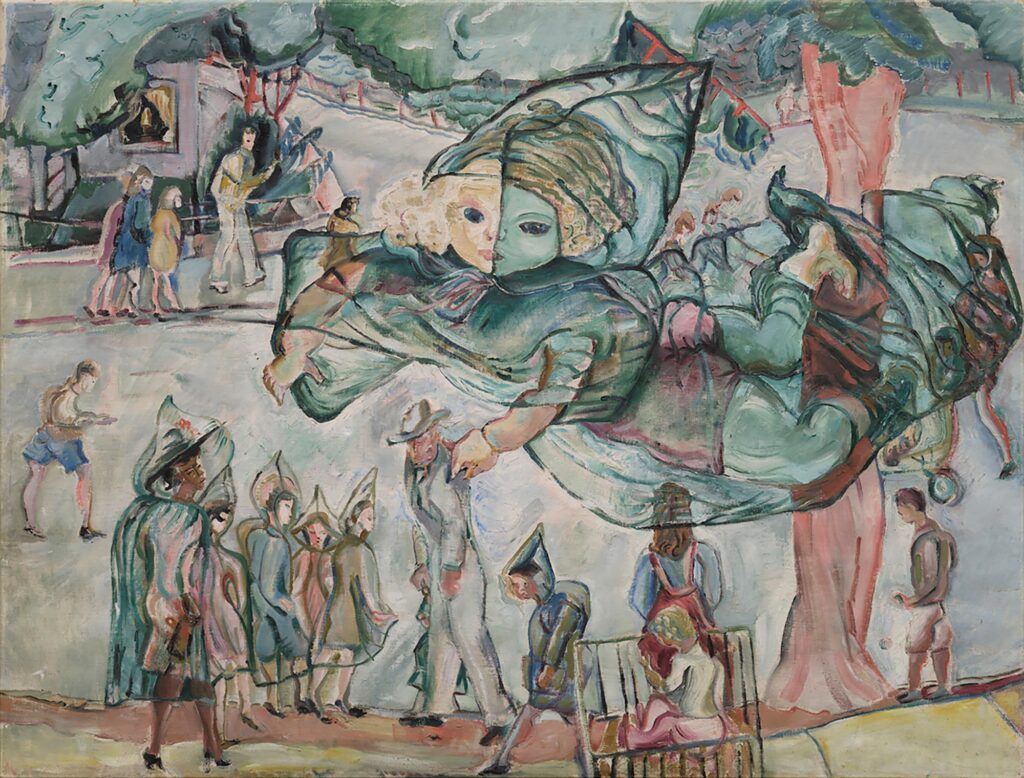
Pegi Nicol MacLeod, Children in Pliofilm, 1939, oil on canvas, 80.5 x 106.7 cm, National Gallery of Canada, Ottawa.
Children in Pliofilm blends domestic subject matter with modern materials and surreal imagery to create one of Pegi Nicol MacLeod’s most imaginative depictions of childhood. This work’s treatment of its subject matter makes it a landmark in MacLeod’s oeuvre and a superb example of her ability to translate intimate experience into a vision resonant with modernist concerns.
In the late 1930s, MacLeod turned inward to the subject of childhood, using her young daughter, Jane, as a central muse. As she wrote to ethnologist Marius Barbeau, “My daughter Jane ‘si belle’ that I am driven to paint her all day and every day.” In oils, watercolours, and sketchbooks, she produced numerous studies of Jane sleeping, playing, reading, and even painting.
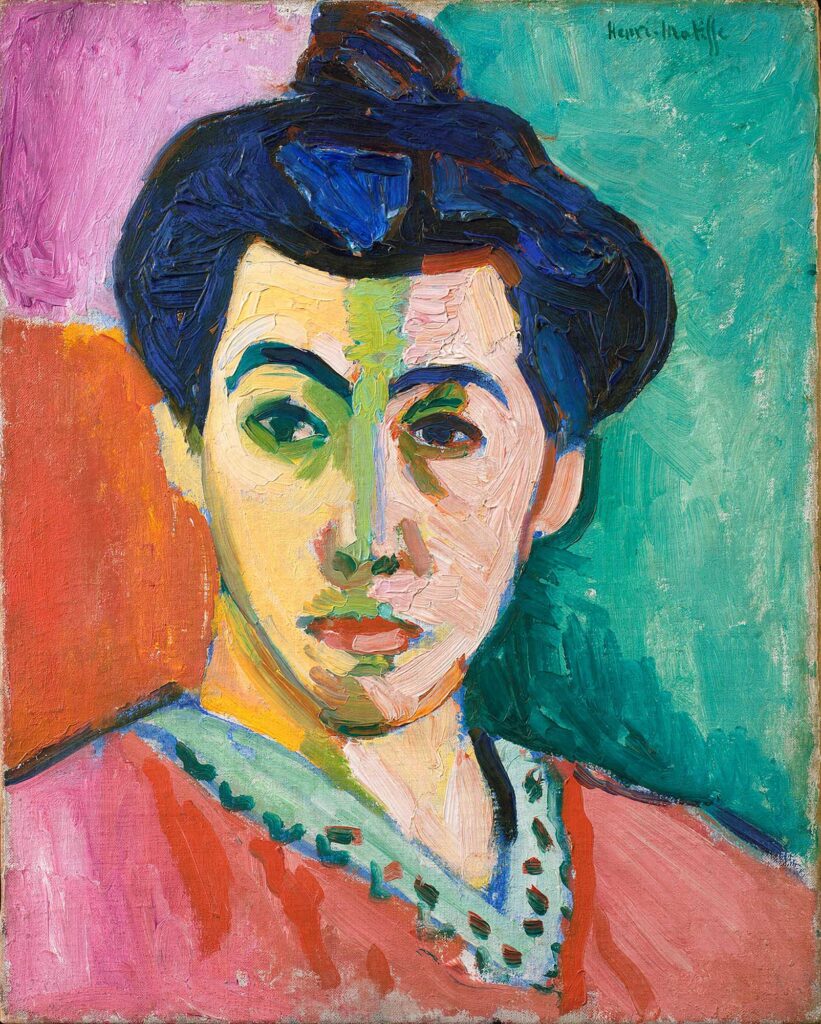
Henri Matisse, The Green Stripe, 1905, oil on canvas, 40.5 x 32.5 cm, Statens Museum for Kunst, Copenhagen.
In this work, several children are gathered on a sidewalk in front of a woman in a large black hat, their bodies partially obscured by their transparent Pliofilm raincoats. The focus of the painting, however, is Jane, shown floating dreamlike above this urban scene. Jane is also wearing a Pliofilm rain jacket, which winds around her twisted legs while the hood bisects her face, making one half a sickly green. This bold chromatic division recalls the painting The Green Stripe, 1905, by Henri Matisse (1869–1954), though here MacLeod adapts the device to explore the disquieting effects of new synthetic materials on the fragile body of a child. The billowing coats and strange transparency lend the composition a surreal, futuristic quality, at once playful and unsettling.
MacLeod confessed just how much labour went into the work when she wrote to National Gallery director H.O. McCurry: “I’ve sweated blood over a picture which succeeds in looking over light-hearted.... The picture is called Children in Pliofilm and I do hope you will like it. It is my baby in a Pliofilm rain cape flying over the street full of similarly coated kids.”
Although she’d originally planned it as a larger canvas, MacLeod reworked it into a smaller version for submission to the 1939 New York World’s Fair. The painting seems to have echoed the fair’s futuristic themes, which imagined a “World of Tomorrow” shaped by scientific innovation, advanced materials, and new modes of transportation and communication. Its suggestion of flight, combined with the use of the newly developed plastic Pliofilm, aligned with the fair’s futuristic ethos and celebration of technological progress. As both an intimate portrait of Jane and an allegory of modern childhood, Children in Pliofilm stands out within Canadian modernism. It fuses the domestic with the technological, the playful with the uncanny, revealing MacLeod’s originality in transforming private experience into a meditation on the promises and perils of the modern age.
Gallery
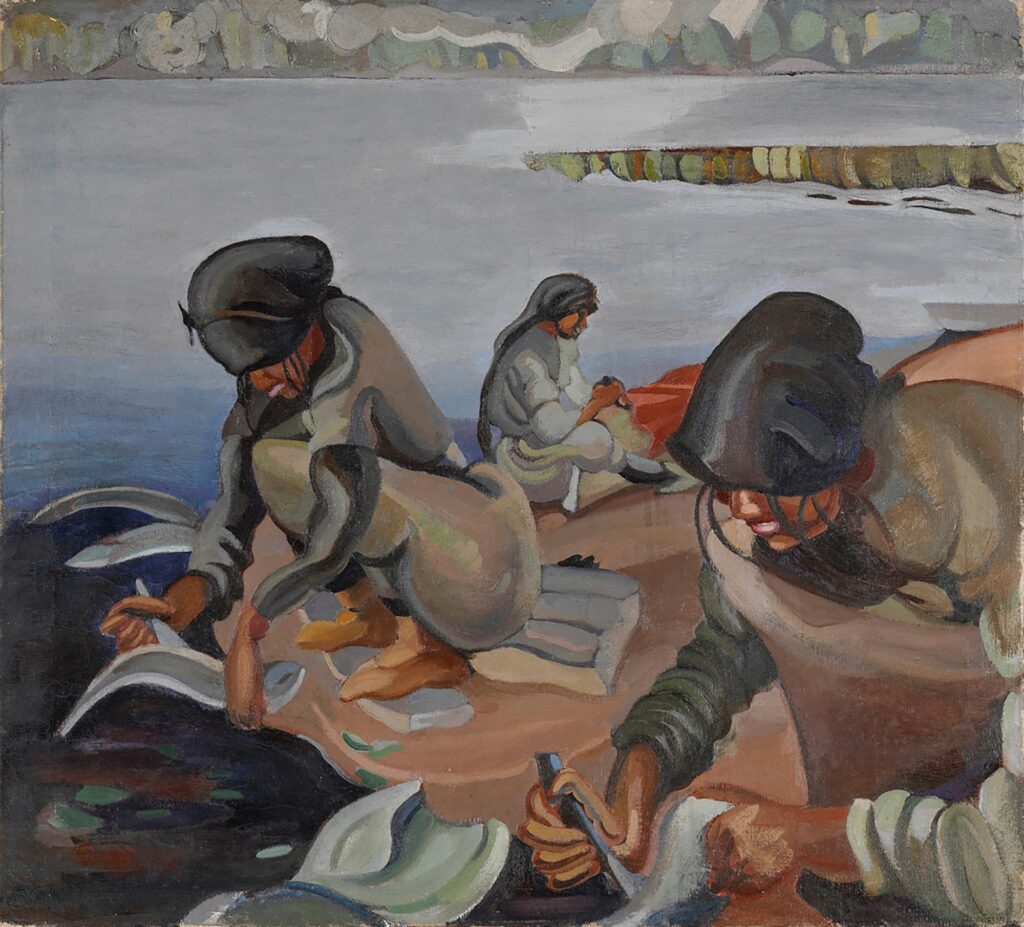
Pegi Nicol MacLeod, Women Cleaning Fish, c.1927

Pegi Nicol MacLeod, Self-Portrait, c.1928
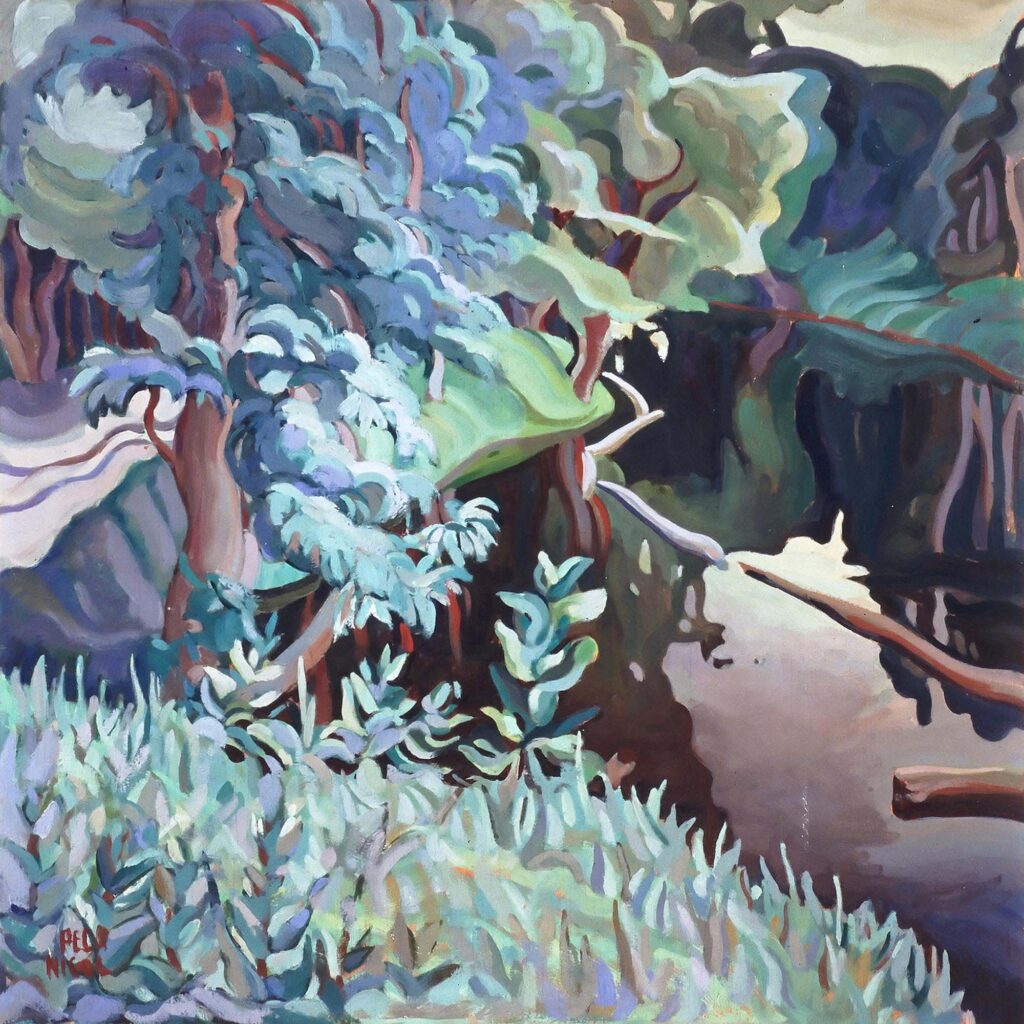
Pegi Nicol MacLeod, The Log Run, c.1930
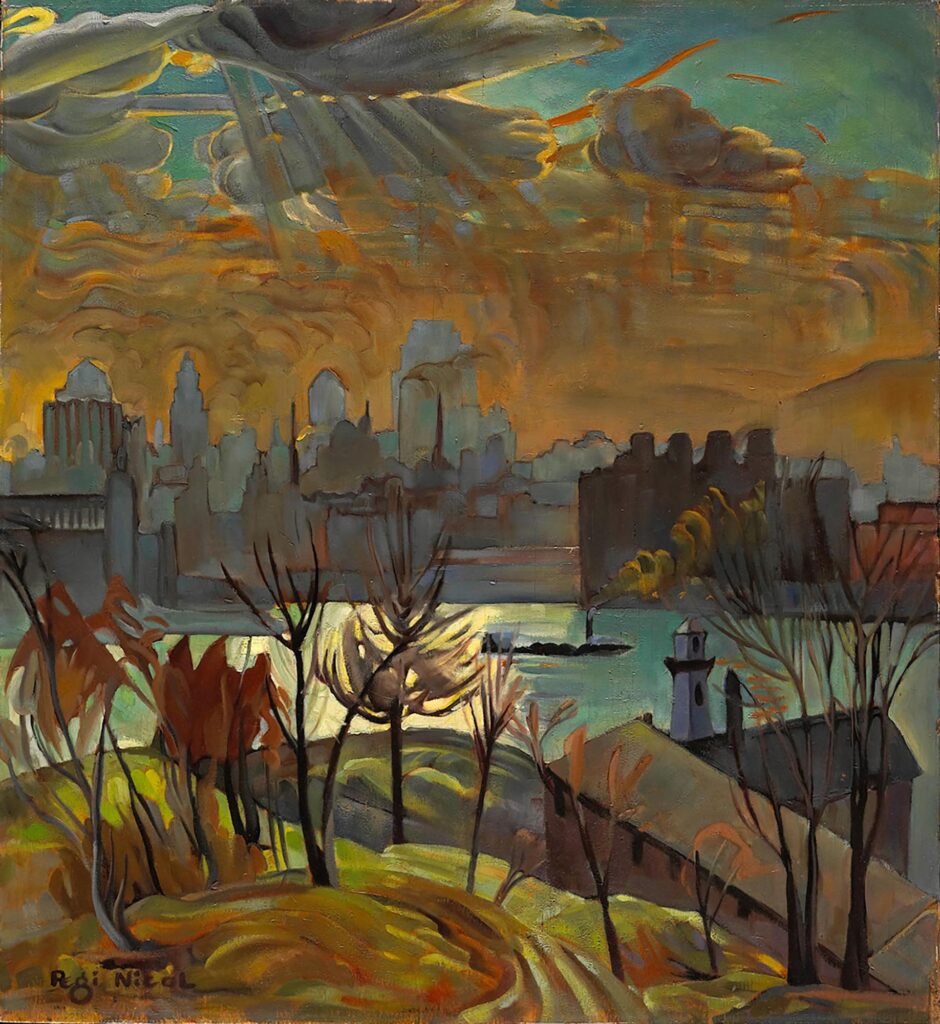
Pegi Nicol MacLeod, Montreal Harbour from St. Helen’s Island, 1933
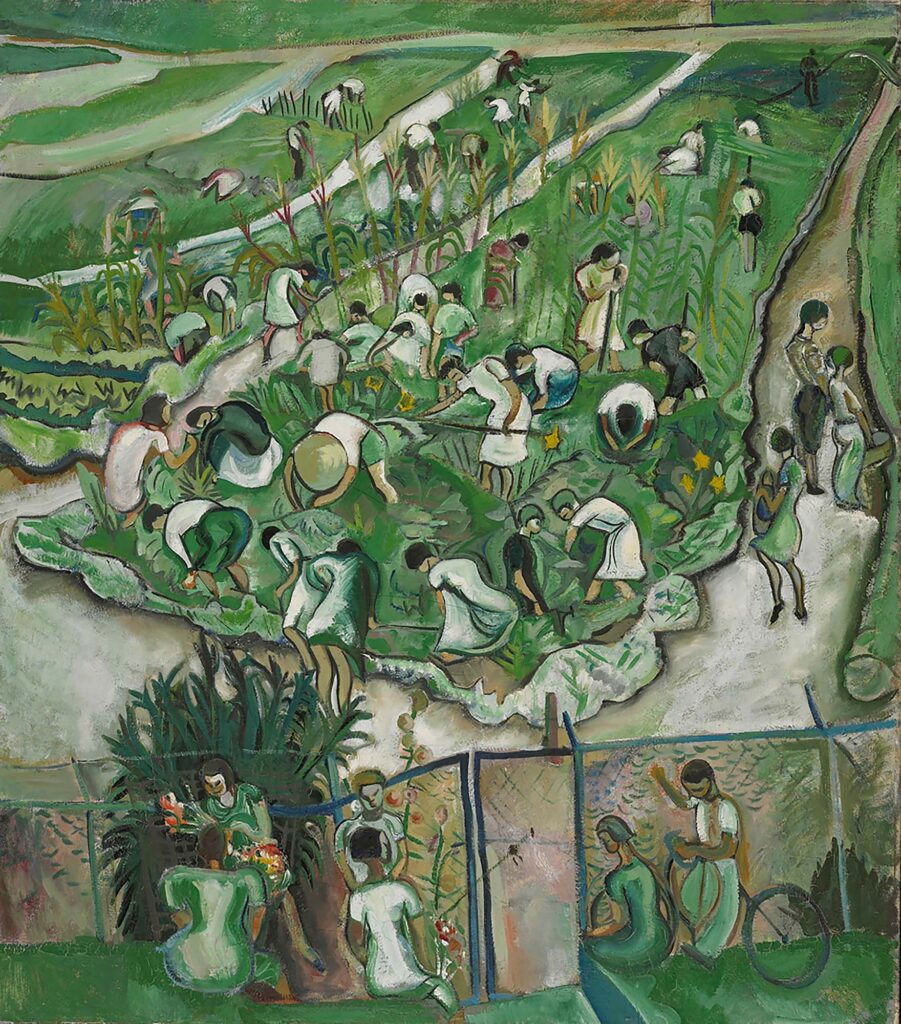
Pegi Nicol MacLeod, School in a Garden, c.1934
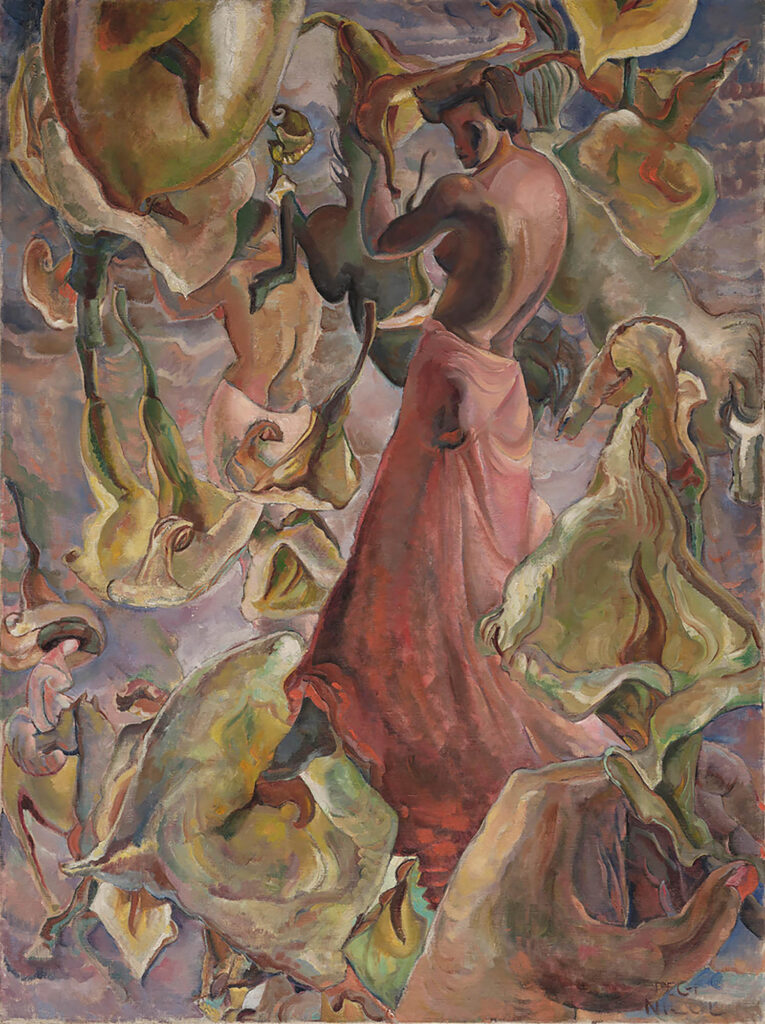
Pegi Nicol MacLeod, A Descent of Lilies, 1935
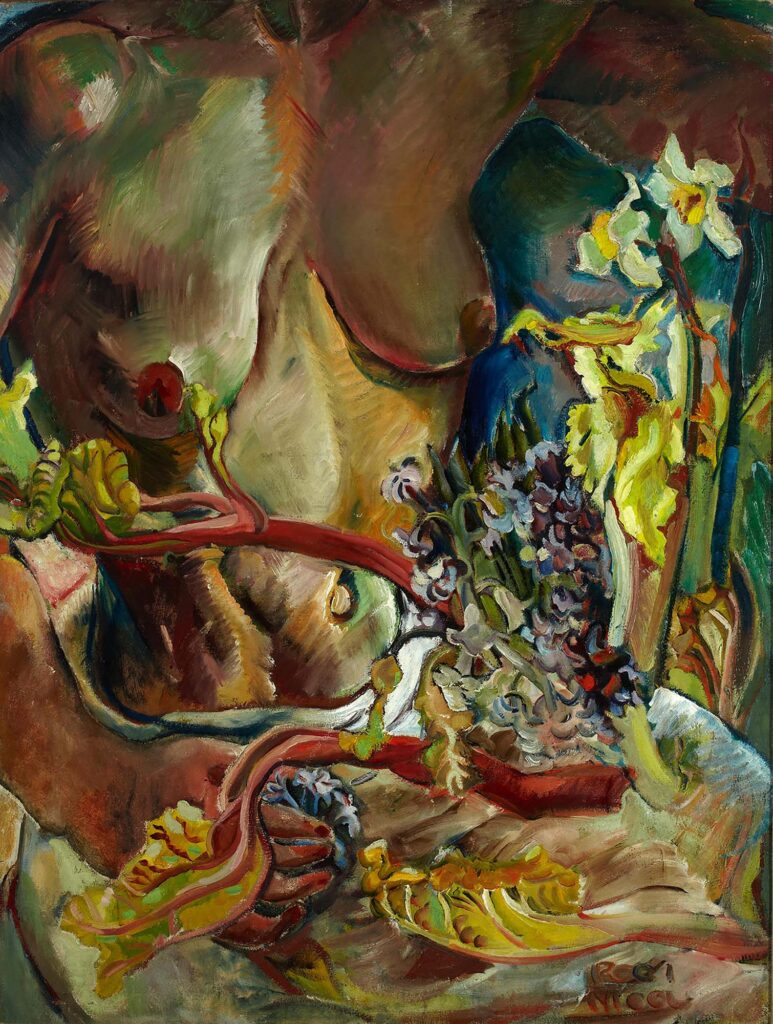
Pegi Nicol MacLeod, Torso and Plants, c.1935
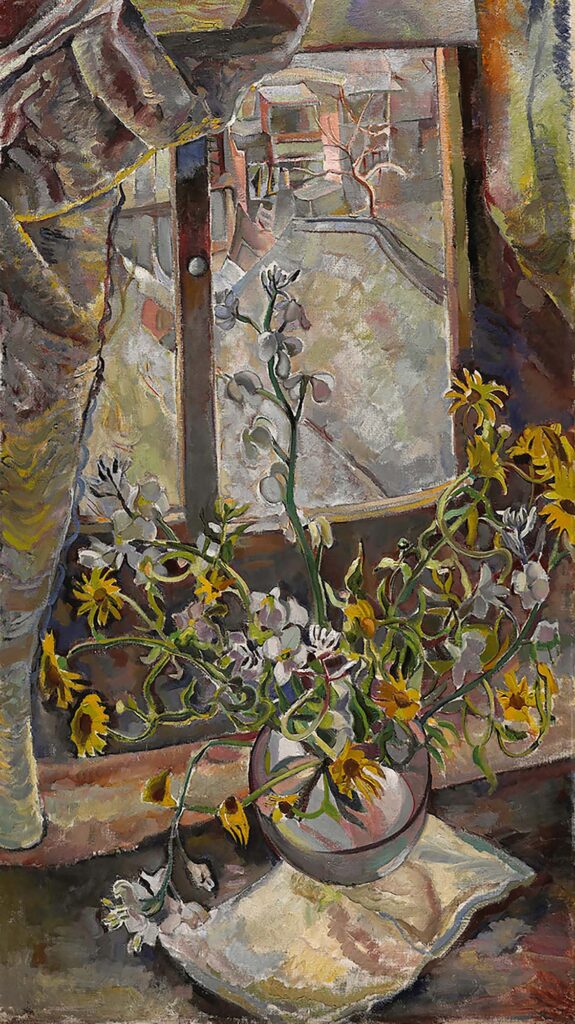
Pegi Nicol MacLeod, Cold Window, 1937
Pegi Nicol MacLeod, Children in Pliofilm, 1939
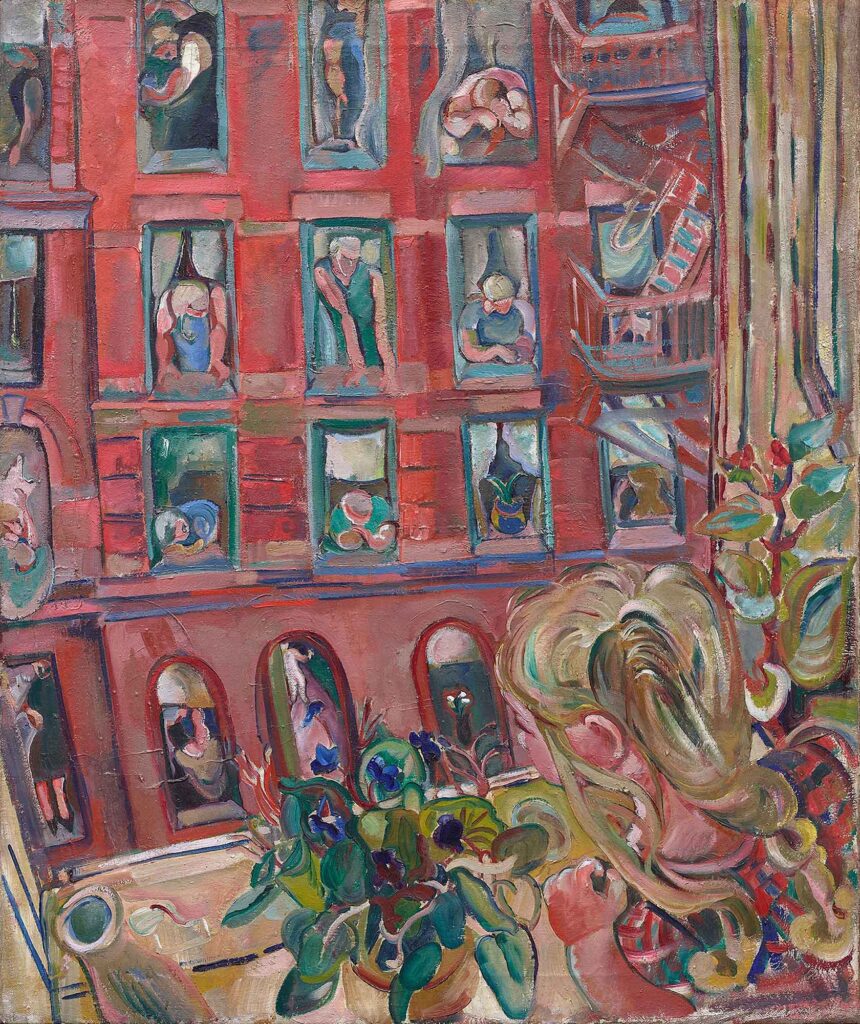
Pegi Nicol MacLeod, Young Girl at the Window, c.1941
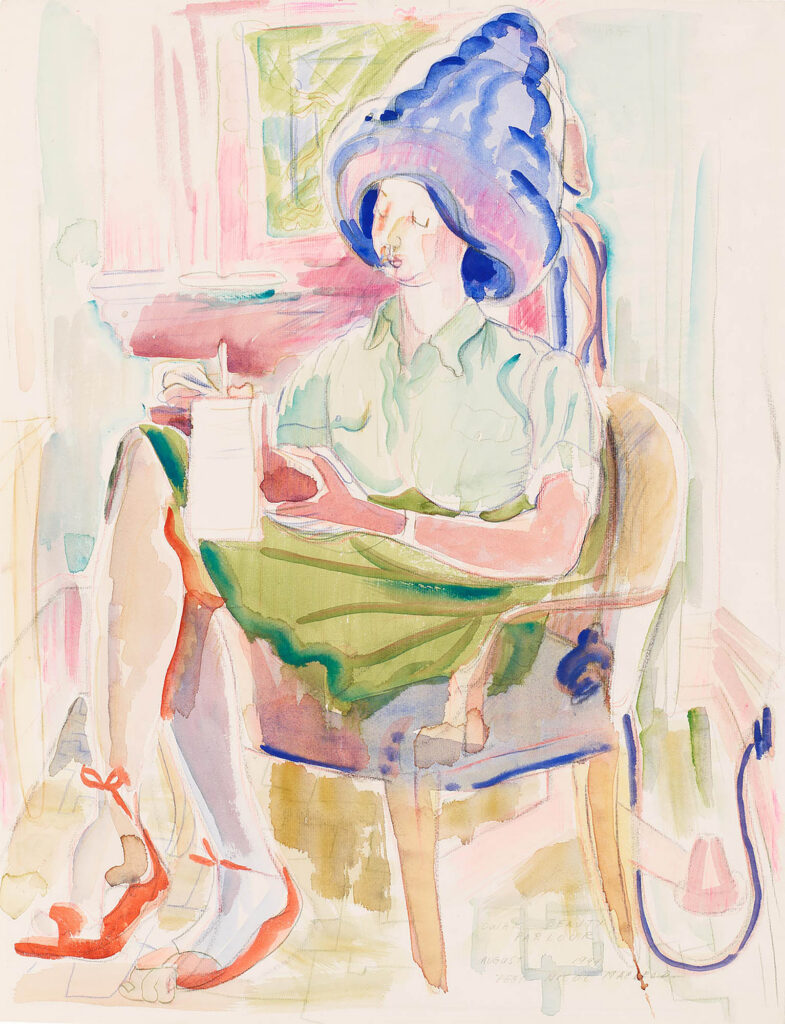
Pegi Nicol MacLeod, CWAC Beauty Parlour #1, 1944

Pegi Nicol MacLeod, Jump Rope, c.1945
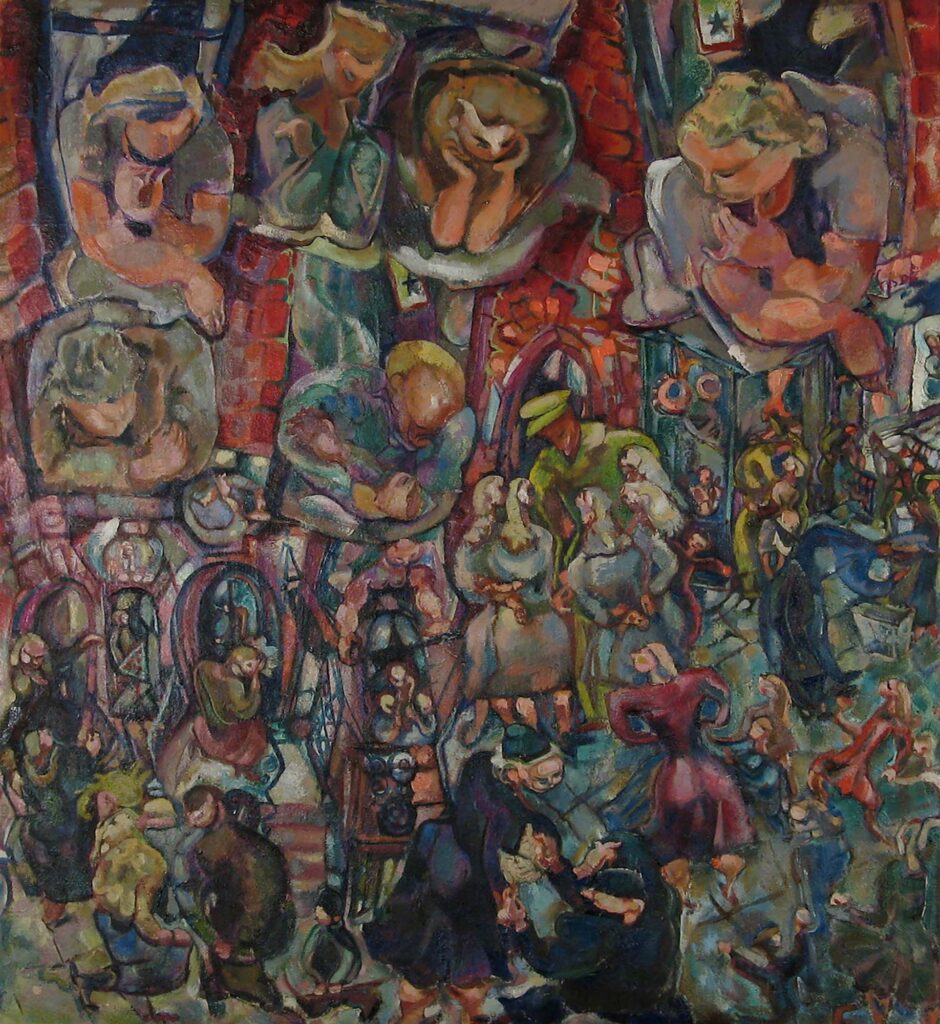
Pegi Nicol MacLeod, When Johnnie Comes Marching Home, c.1946