CWAC Beauty Parlour #1, 1944
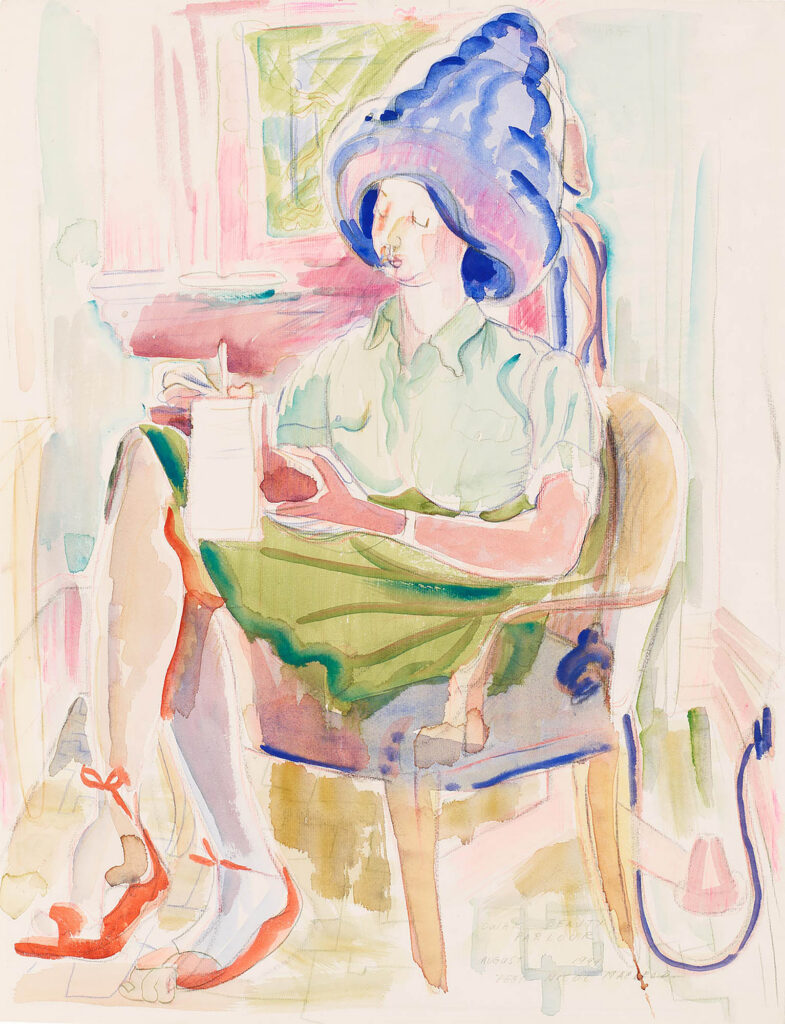
Pegi Nicol MacLeod, CWAC Beauty Parlour #1, 1944, watercolour on paper, 63.2 x 48.6 cm, Canadian War Museum, Ottawa.
CWAC Beauty Parlour #1 is regarded as one of Pegi Nicol MacLeod’s most important war works, capturing the intersection of femininity and military life through her distinctively modern style. In this closely observed watercolour, a woman sits writing intently on a notepad beneath a salon’s large conical hair dryer—its deep blue and violet tones arching above her head like a sculptural hat. The woman’s bright green skirt and vibrant red shoes with their ribboned ankle straps stand out against this otherwise quiet scene. At a time when women’s participation in the military was often framed as a disruption of traditional gender roles, MacLeod recognized both the importance and the invisibility of their contributions.
In 1944, the National Gallery’s H.O. McCurry commissioned MacLeod to record the activities of women on the home front during the Second World War. MacLeod quickly noted, “What an obvious flaw to neglect also the women in the armed services.” Over the next two years of her commission, she produced a remarkable body of work that depicted the lives of the more than twenty-one thousand women who served in the Canadian Women’s Army Corps (CWAC). She even embedded herself with CWAC members in Ottawa and Fredericton so she could capture their training, camaraderie, labour, and leisure with her distinctly modern visual vocabulary.
Her paintings documented the full spectrum of military life, from drills and uniforms to moments of rest and routine, and offered a rare view of women’s service during the war. She treated these moments with the same sensitivity and seriousness that other war artists were devoting to bombed-out landscapes, battlefield scenes, and combat heroics, such as the painting Canadian Armour Passing Through Ortona, 1944, by Charles Comfort (1900–1994). Artist Shary Boyle noted, of MacLeod’s war work: “The paintings she made of servicewomen... left out the propaganda, dragged in their humanity, painted what she thought was compelling... and for that she didn’t make a lot of Old Guard fans.... These are officers getting their hair done, labouring in the kitchen, gathering to dance, telephoning, marching, and cleaning. In their work and camaraderie, we see Pegi’s forceful brilliance shining through their eyes.”
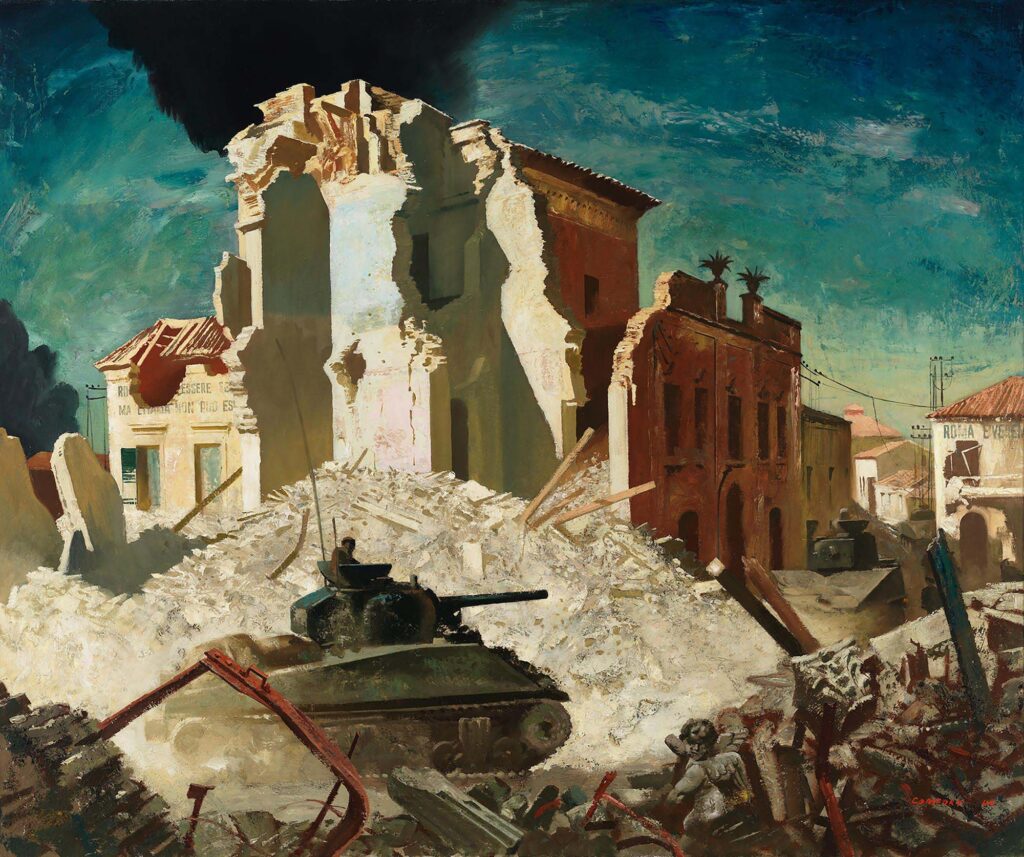
Charles Comfort, Canadian Armour Passing Through Ortona, 1944, oil on canvas, 102 x 121.9 cm, Canadian War Museum, Ottawa.
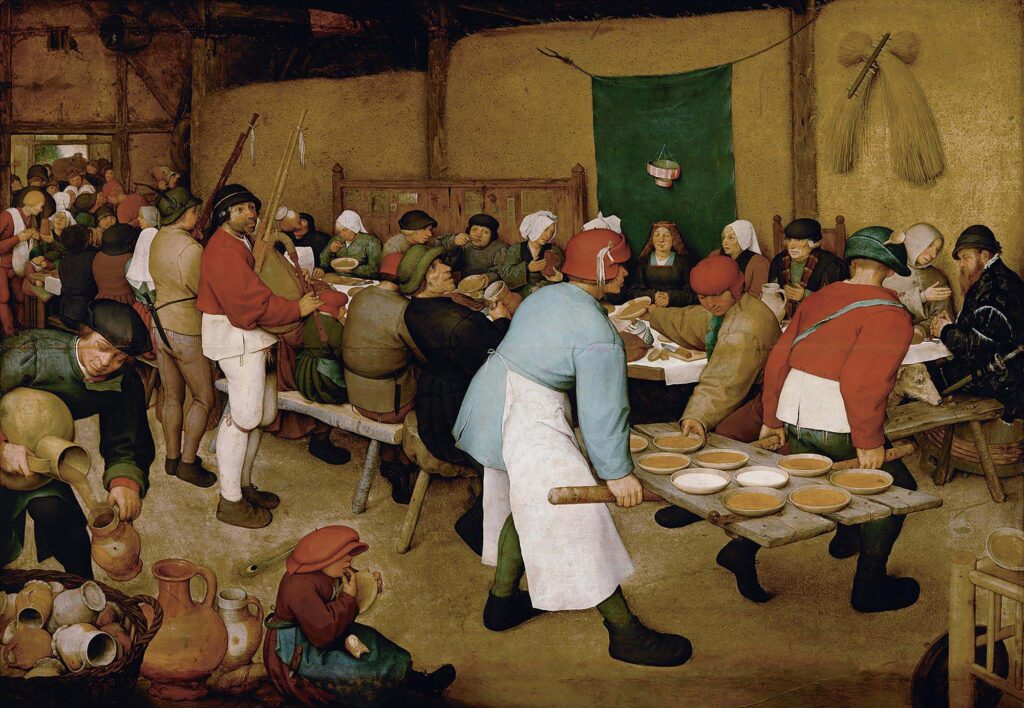
Pieter Bruegel the Elder, The Peasant Wedding, 1568, oil on oak panel, 113 x 164 cm, Kunsthistorisches Museum, Vienna.
MacLeod’s vivid, expressive, and modern style was well suited to capturing the spirit of this unprecedented moment. As she stated in an article for Canadian Art magazine, when she turned her eye to kitchens and mess halls, she evoked “a group of animated Brueghels”—a reference to the crowded energy of Pieter Bruegel the Elder (c.1525–1569) in works like The Fight Between Carnival and Lent, 1559, or his more famous The Peasant Wedding, 1568.
The strengths of MacLeod’s war paintings lie in her use of bold colour and energetic brushwork to animate even the most routine tasks, lending her subjects a dignity often absent from wartime representations of women. Some critics, including art historian Laura Brandon, have described the series as “uneven,” observing that “some watercolours lack a quality of completeness, and compositions often seem poorly thought out.” But as Brandon herself concluded, “There is no other body of paintings like it in Canadian art.”
Gallery
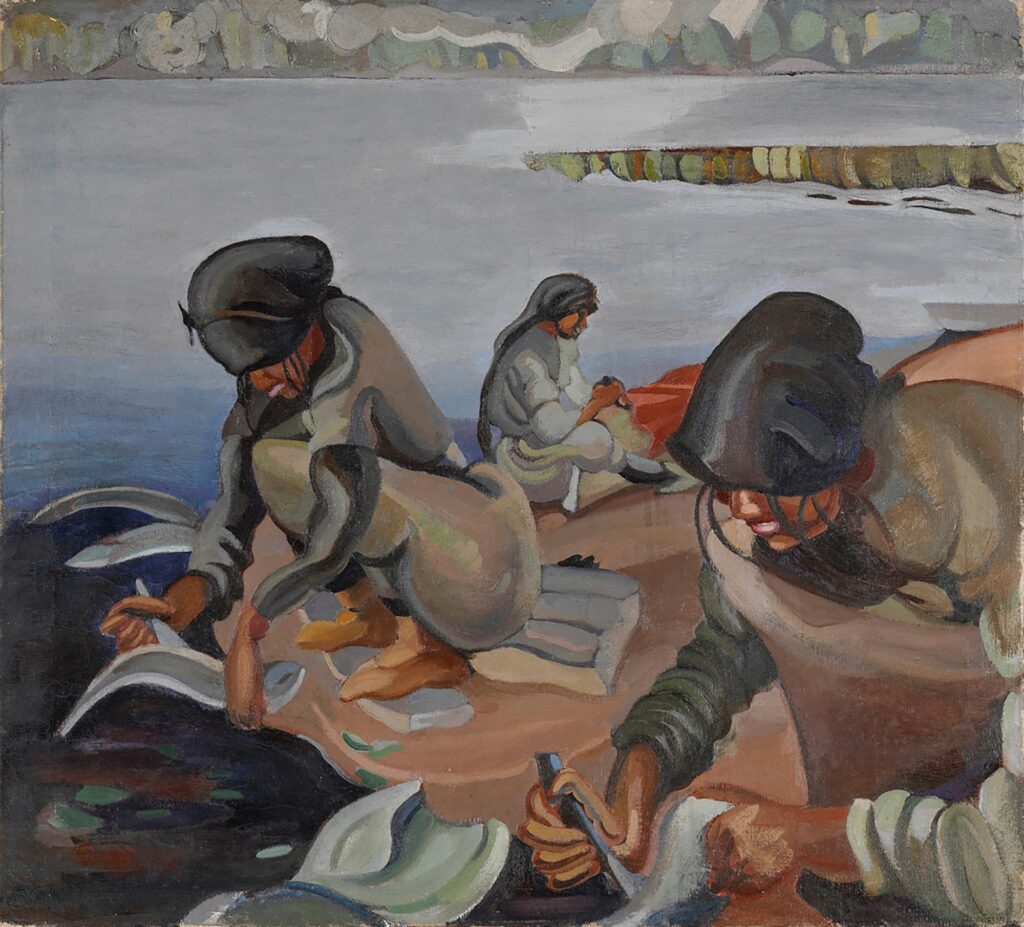
Pegi Nicol MacLeod, Women Cleaning Fish, c.1927

Pegi Nicol MacLeod, Self-Portrait, c.1928
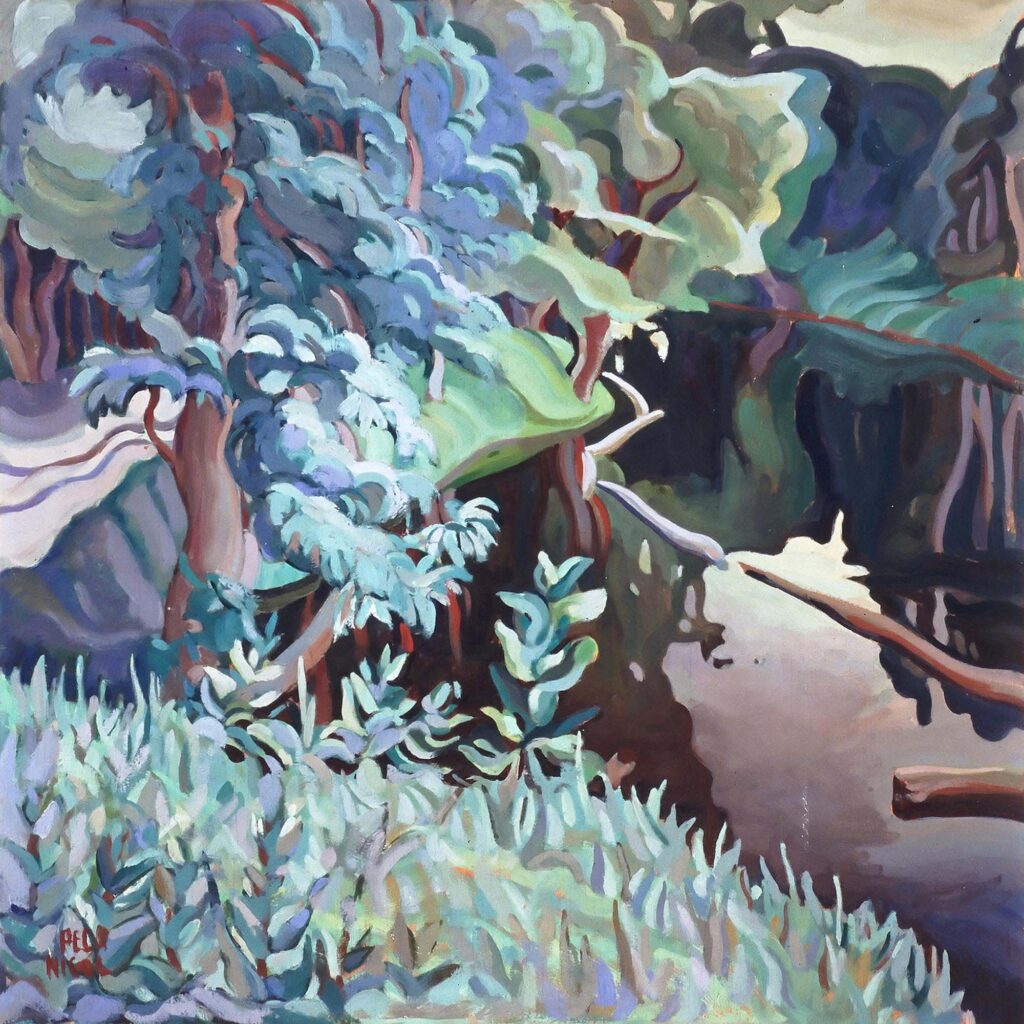
Pegi Nicol MacLeod, The Log Run, c.1930
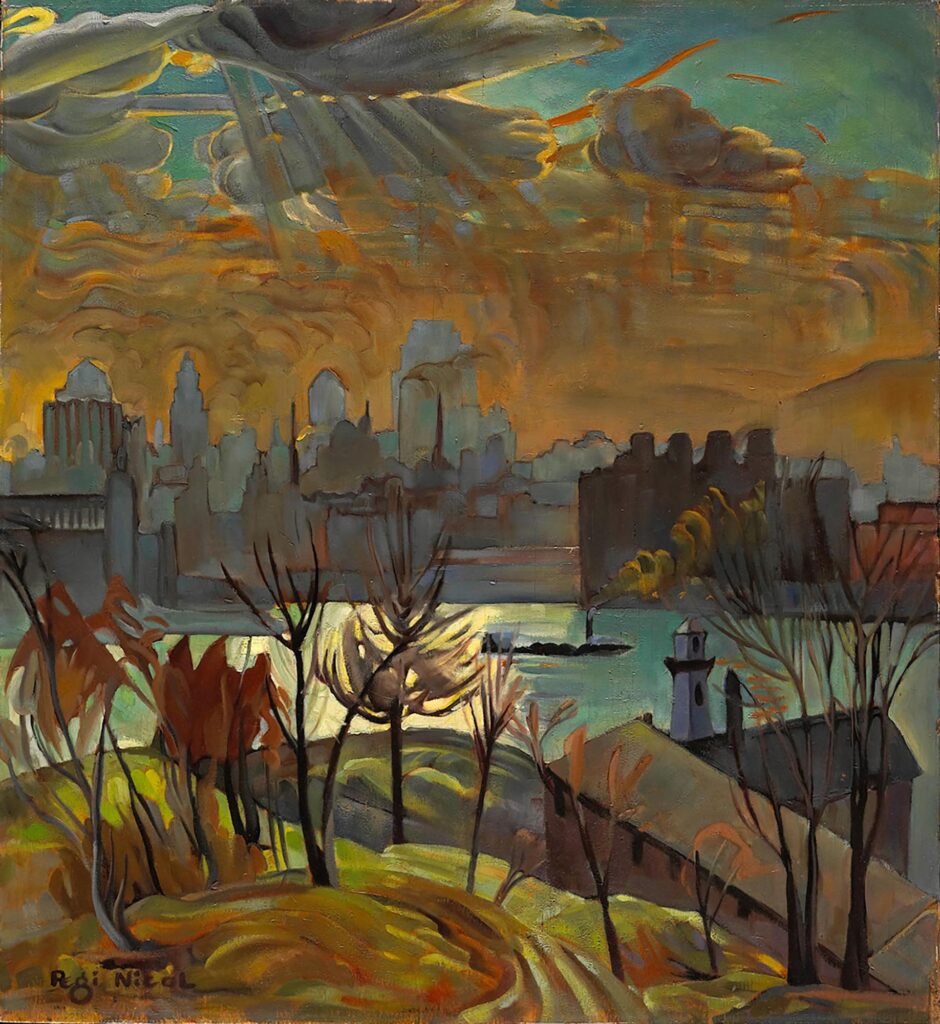
Pegi Nicol MacLeod, Montreal Harbour from St. Helen’s Island, 1933
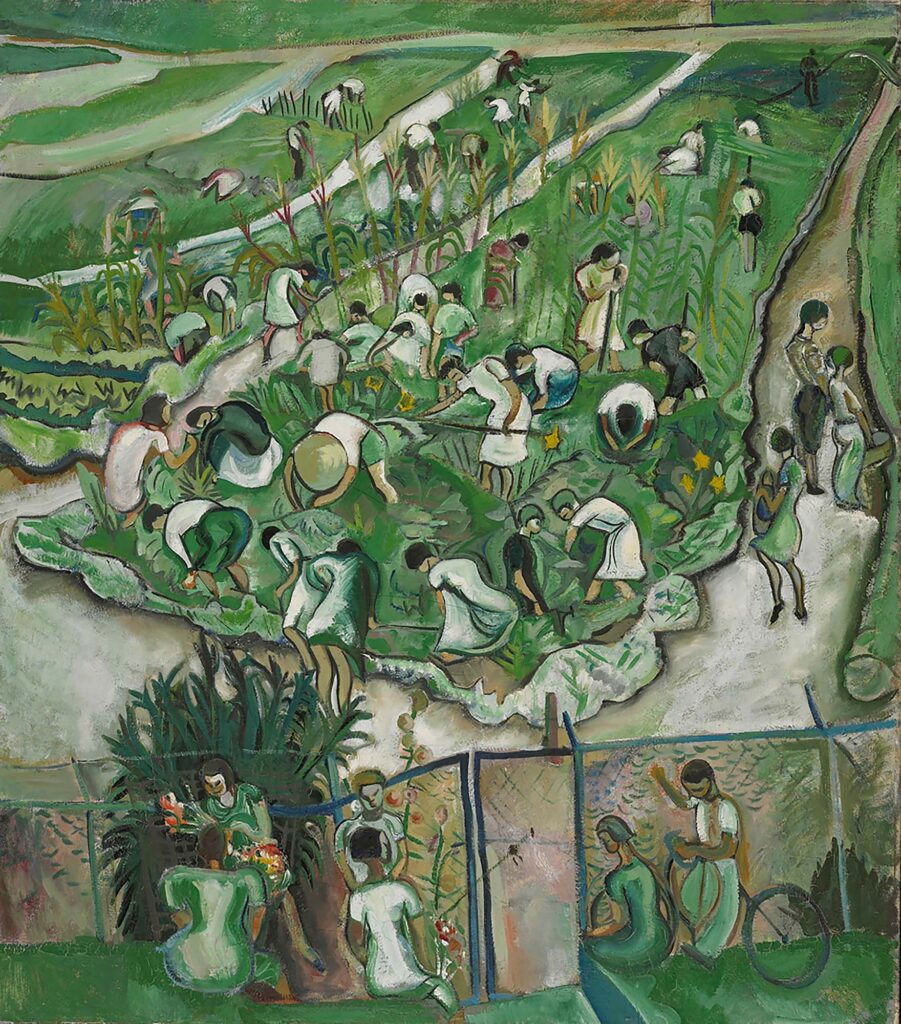
Pegi Nicol MacLeod, School in a Garden, c.1934
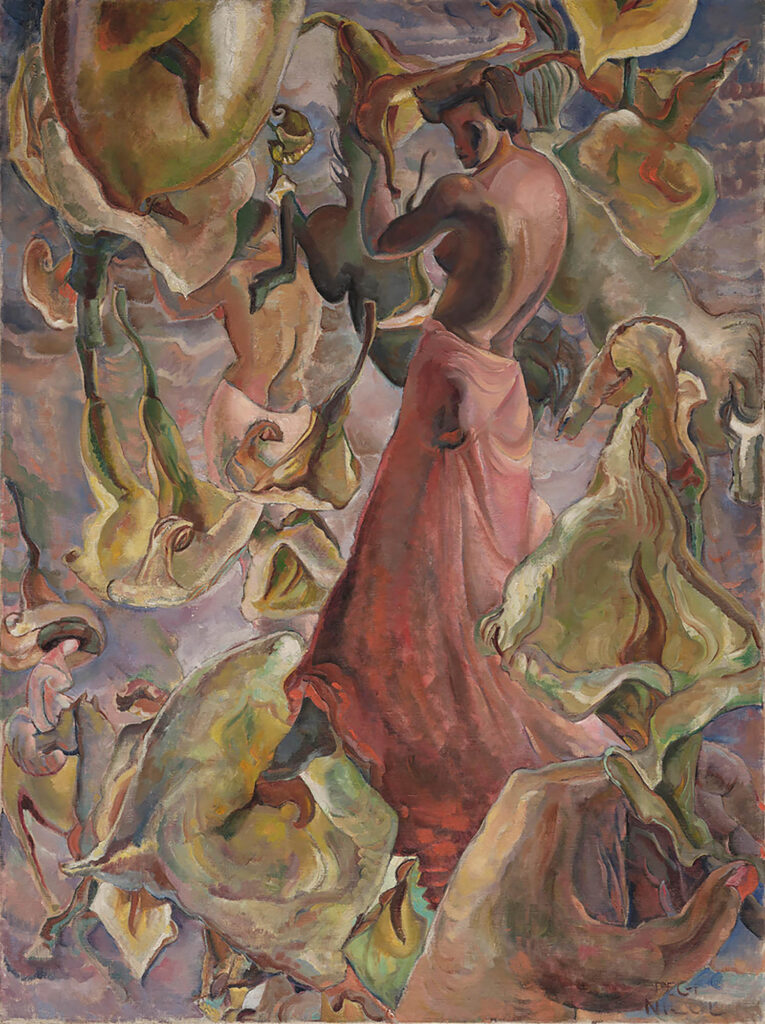
Pegi Nicol MacLeod, A Descent of Lilies, 1935
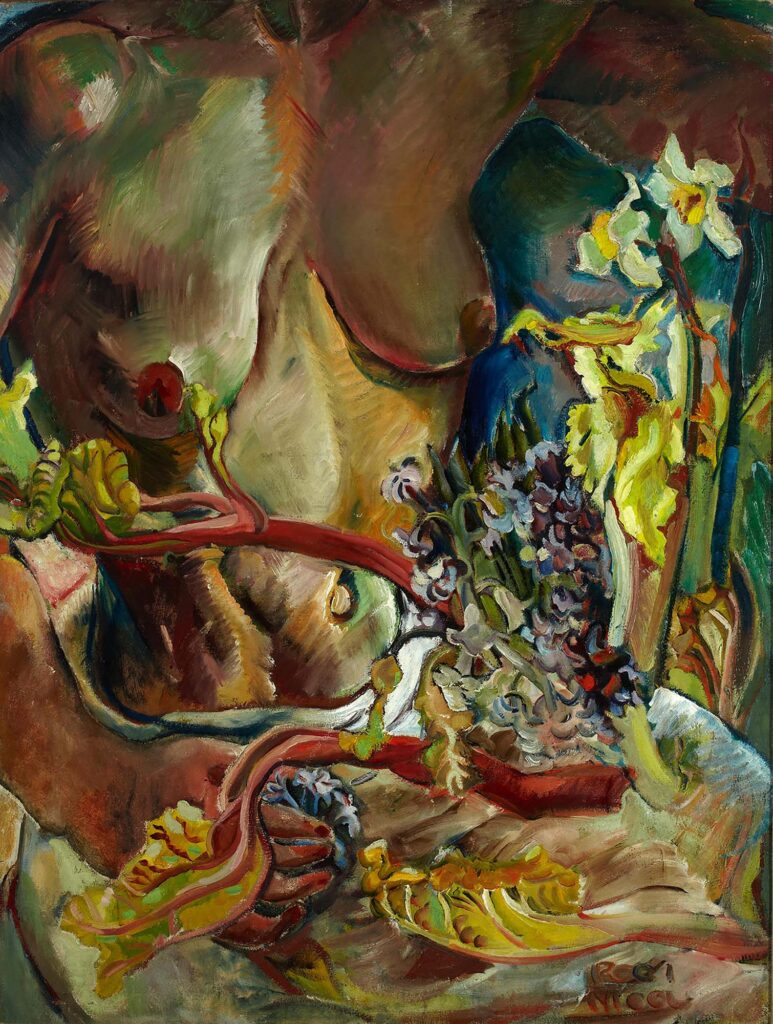
Pegi Nicol MacLeod, Torso and Plants, c.1935
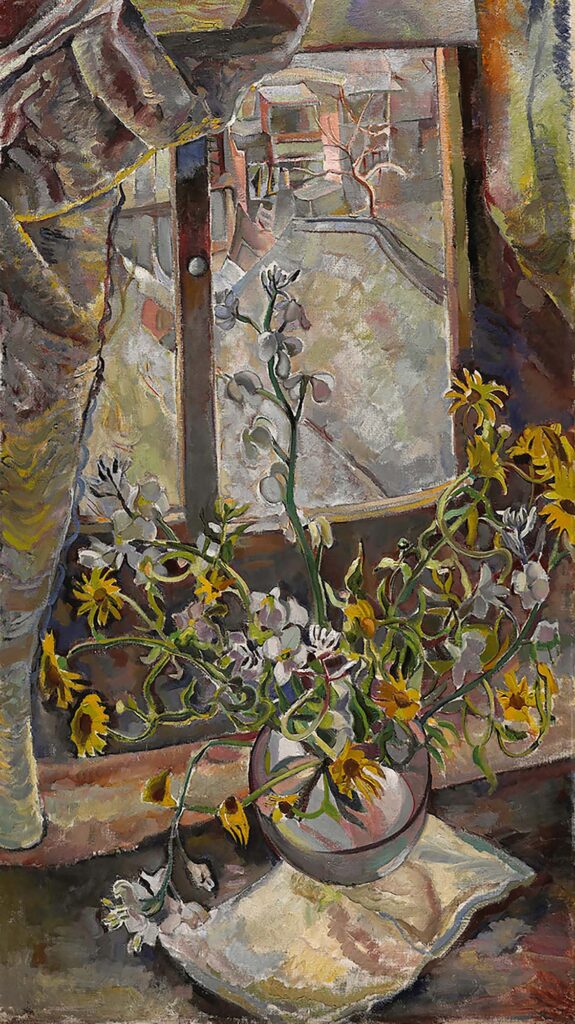
Pegi Nicol MacLeod, Cold Window, 1937
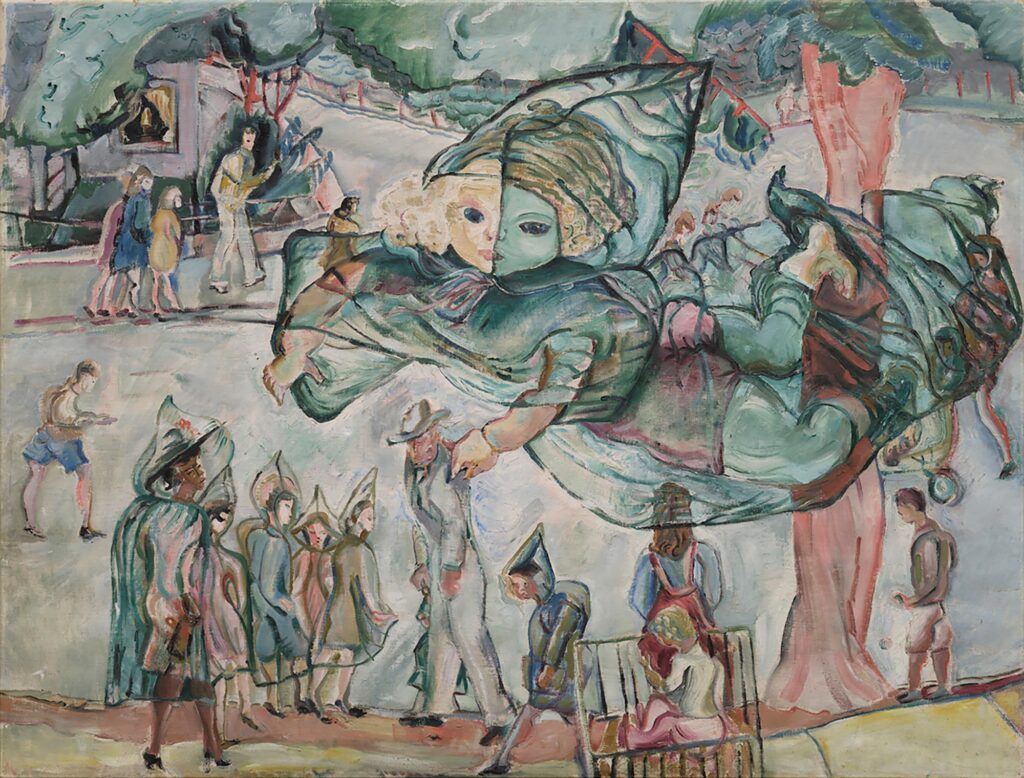
Pegi Nicol MacLeod, Children in Pliofilm, 1939
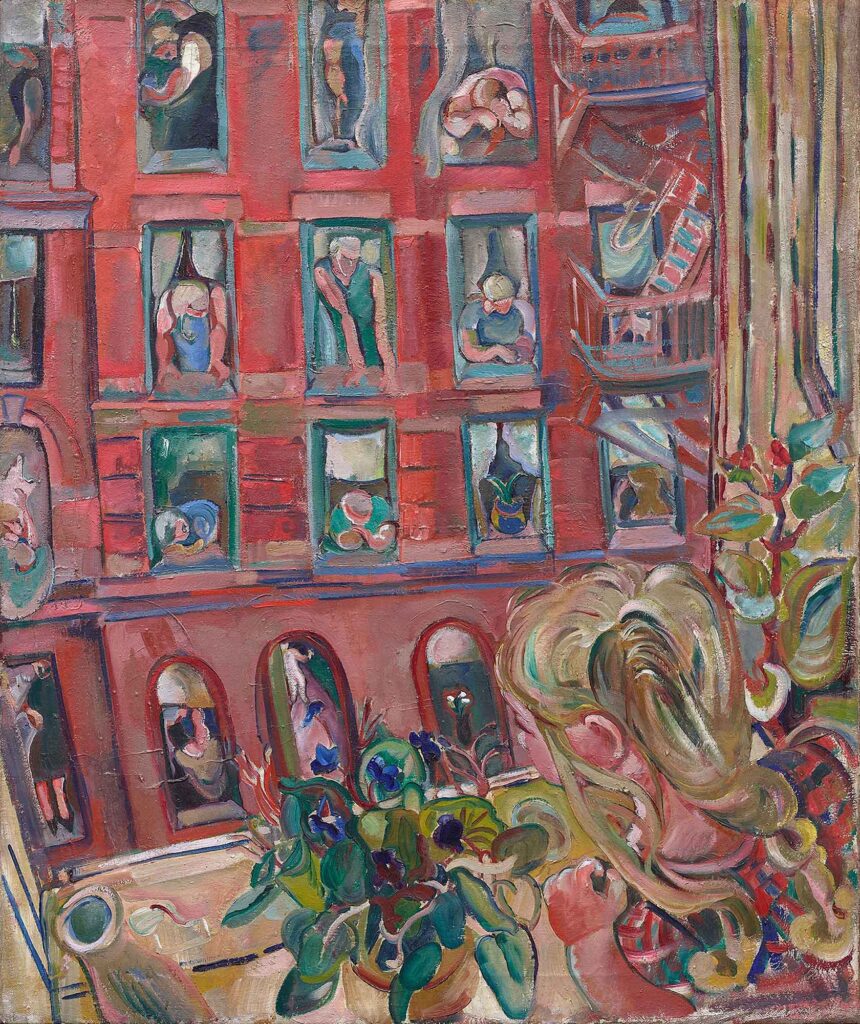
Pegi Nicol MacLeod, Young Girl at the Window, c.1941
Pegi Nicol MacLeod, CWAC Beauty Parlour #1, 1944

Pegi Nicol MacLeod, Jump Rope, c.1945
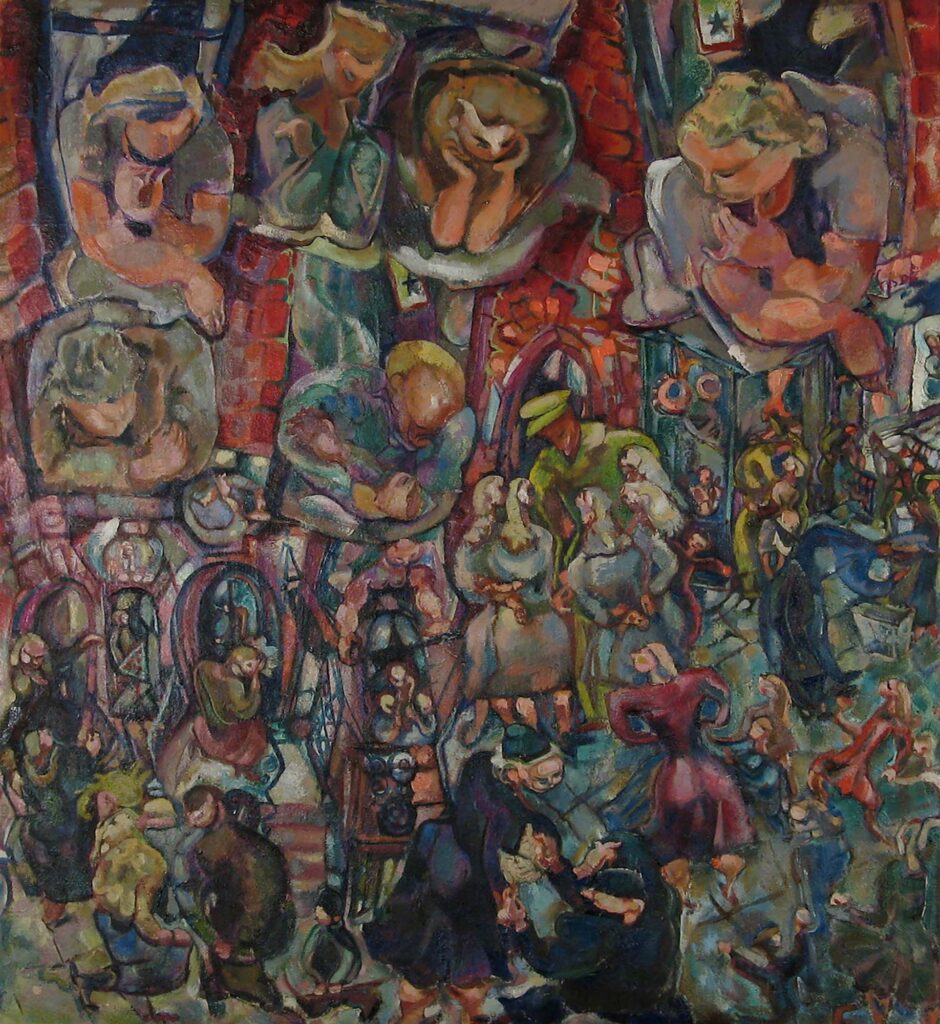
Pegi Nicol MacLeod, When Johnnie Comes Marching Home, c.1946