Montreal Harbour from St. Helen’s Island, 1933
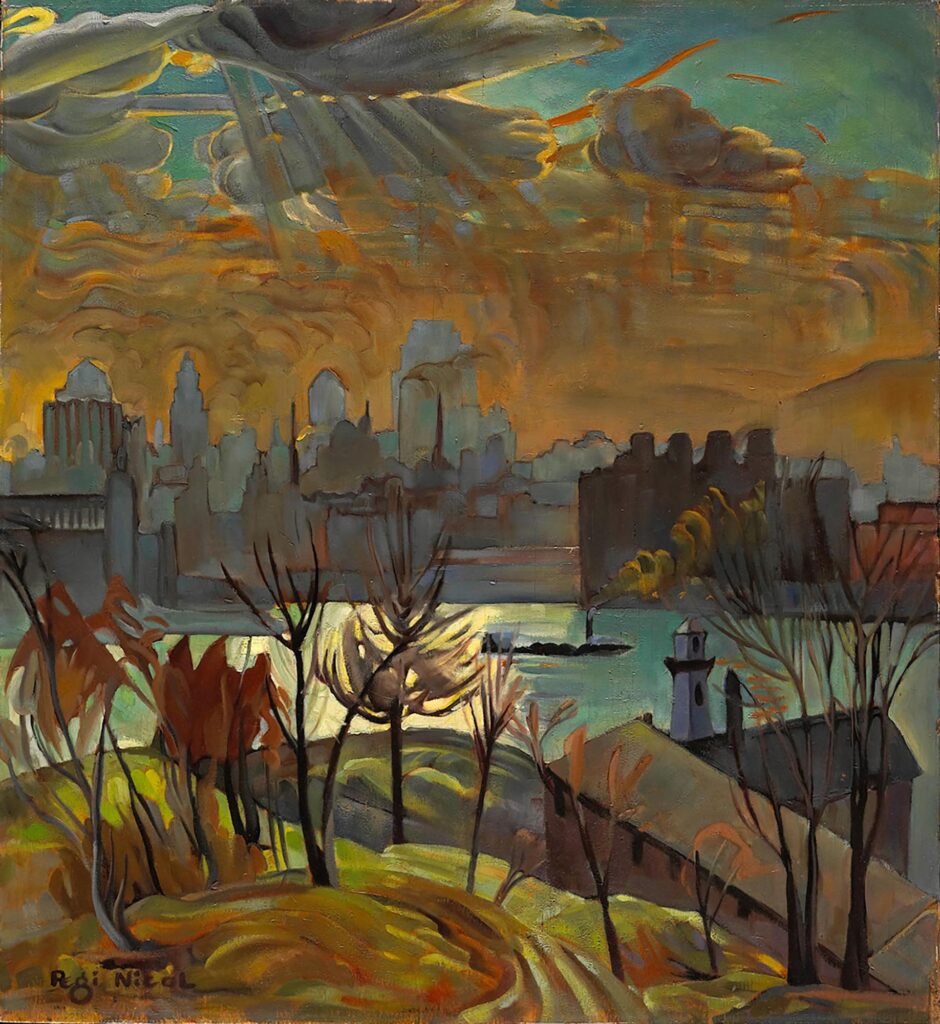
Pegi Nicol MacLeod, Montreal Harbour from St. Helen’s Island, 1933, oil on plywood, 65.8 x 60.4 cm, National Gallery of Canada, Ottawa.
Montreal Harbour from St. Helen’s Island bridges Pegi Nicol MacLeod’s early landscapes and her emerging interest in urban modernity. Painted after her return visits to Montreal in the early 1930s, the work situates the industrial harbour within a natural frame and exemplifies the “stamp” of her style—fluid, undisciplined, and highly individual.
The composition of this painting unfolds in three main areas. In the foreground, a hillside landscape features a group of trees—some bare, others with autumnal leaves of orange and brown. The middle ground presents a tranquil river, punctuated by a small boat, a slender tower at the shoreline, and the long, low barracks building that extends towards the water, guiding the viewer’s gaze to the cityscape beyond. In the background, tall, spectral buildings are silhouetted against a sky filled with a swirling mass of clouds rendered in shades of orange, yellow, and blue.
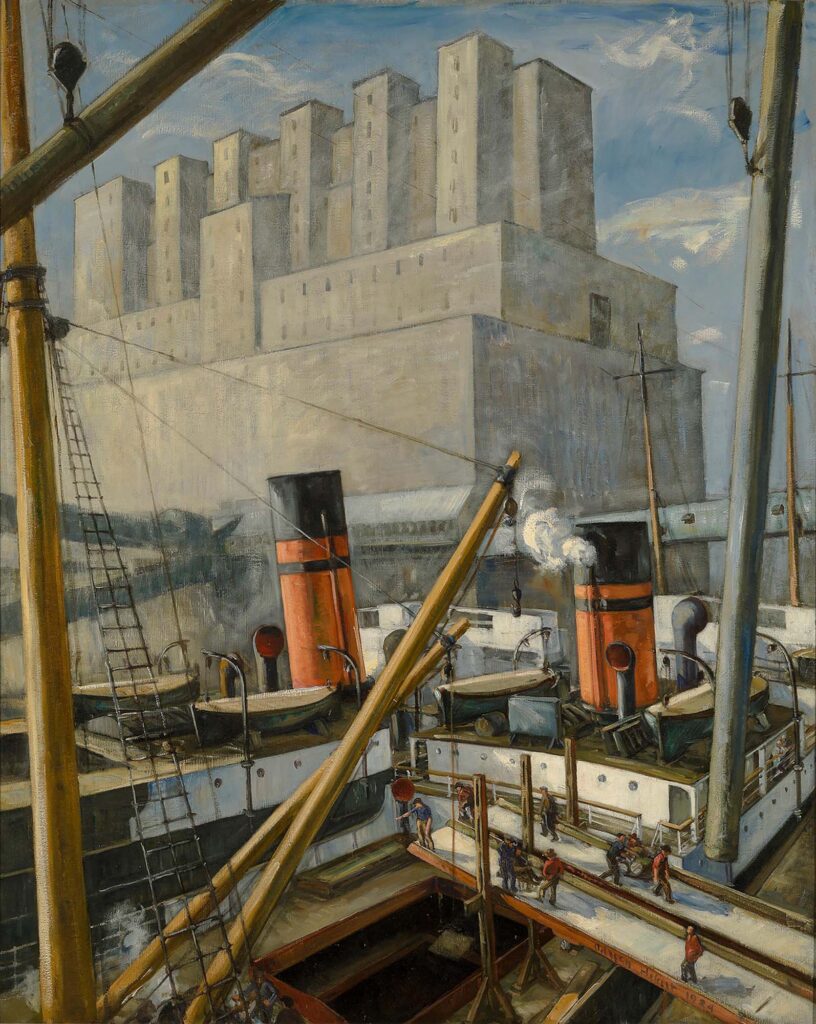
Adrien Hébert, Montreal Port, 1924, oil on canvas, 153 x 123 cm, Musée national des beaux-arts du Québec.

Pegi Nicol MacLeod, Harbour Bridge, c.1933, oil on plywood, 53.3 x 40.6 cm, collection of Lynda and John Shearer.
MacLeod’s brushwork is fluid and dynamic, with curving lines suggesting movement within the foliage and on the land. The large cloud formations and beams of light breaking through the sky create a dramatic atmosphere. Throughout the painting, bold warm tones in the background, cool greens in the foreground, and an intensely bright reflection of light on the river at the work’s centre produce a striking juxtaposition. Another version of this scene, Harbour Bridge, c.1933, depicts the same area from a different vantage point, looking east towards the newly completed Harbour Bridge (later renamed the Jacques Cartier Bridge).
Unlike the Precisionism-inspired harbour scenes of Montreal artist Adrien Hébert (1890–1967), which emphasize architectural order, MacLeod’s expressive brushwork evokes the tension between nature and encroaching modern industry. These are qualities that contemporaries like Graham McInnes recognized as unmistakably her own. McInnes once wrote, “She had a wonderful way of seeing the world without eyelids. She could take a group of children playing in a slum street, a tangle of narcissus bulbs in a flowerpot, a view of smoky steaming winter Montreal from St. Helen’s Island in mid-St. Lawrence, and put on them all the stamp of her own personality; a series of disjointed writhing images, never at ease, full of bubbling enthusiasm.”
MacLeod spent a week working on the painting alongside Marian Dale Scott (1906–1993), another key figure in the Montreal art scene. The city was important to MacLeod’s artistic development: she lived there during her studies at the École des beaux-arts in the early 1920s and returned briefly in 1931. She held her first solo exhibition at Eaton’s department store in Montreal in 1932, contributed illustrations for the French Canadian folk tales published by ethnologist Marius Barbeau in La Presse in the 1930s, and worked alongside artists such as Scott and Anne Savage (1896–1971). But her Montreal period was not without challenges. In 1931, a significant studio fire destroyed all the work she had produced during a six-month stay in the city. In the face of that personal loss, Montreal Harbour from St. Helen’s Island stands as a symbol of her perseverance and artistic resilience.
Gallery
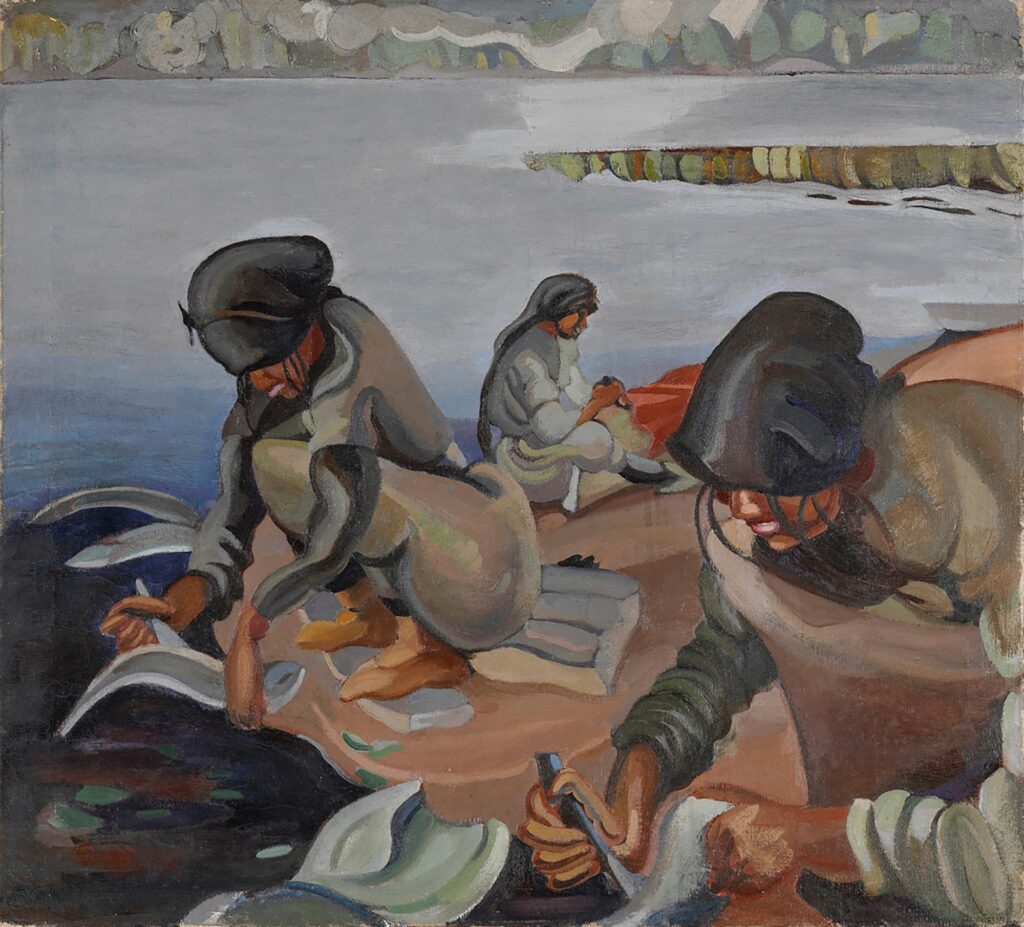
Pegi Nicol MacLeod, Women Cleaning Fish, c.1927

Pegi Nicol MacLeod, Self-Portrait, c.1928
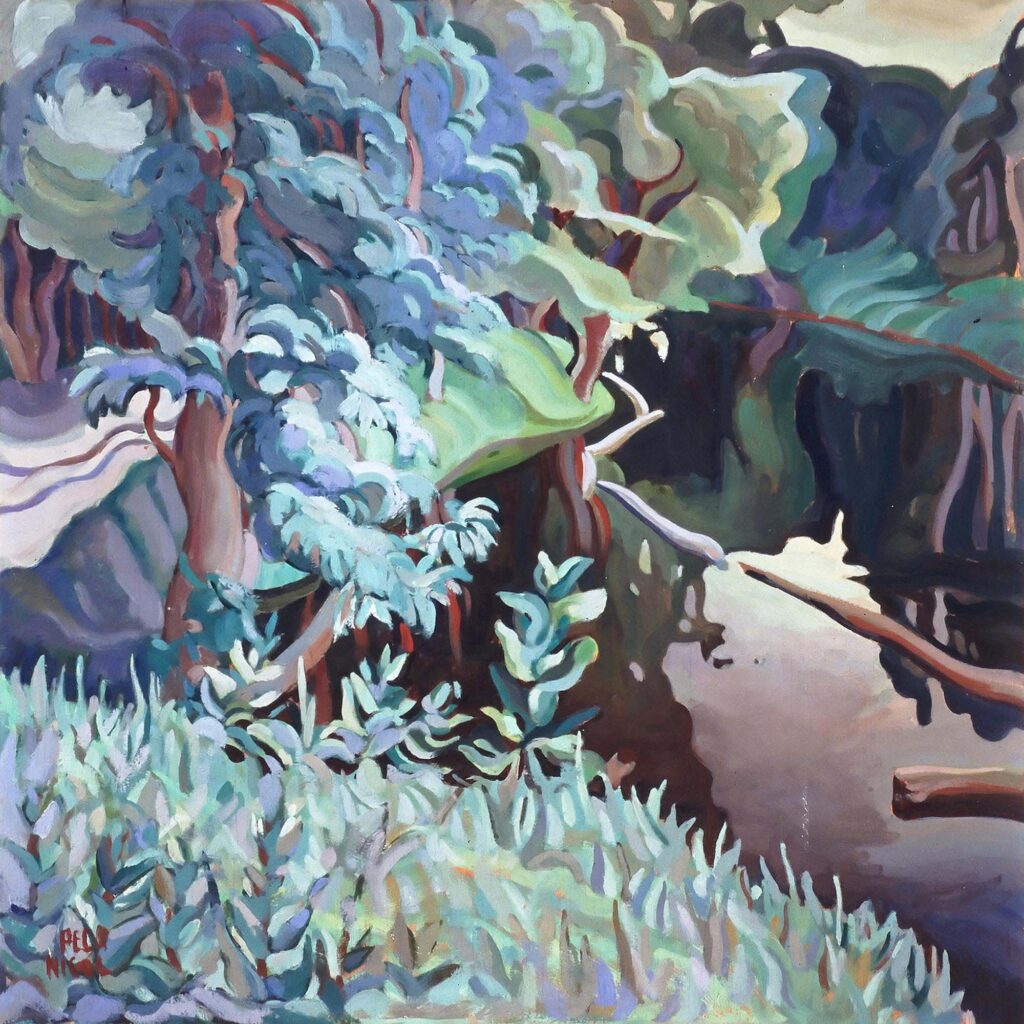
Pegi Nicol MacLeod, The Log Run, c.1930
Pegi Nicol MacLeod, Montreal Harbour from St. Helen’s Island, 1933
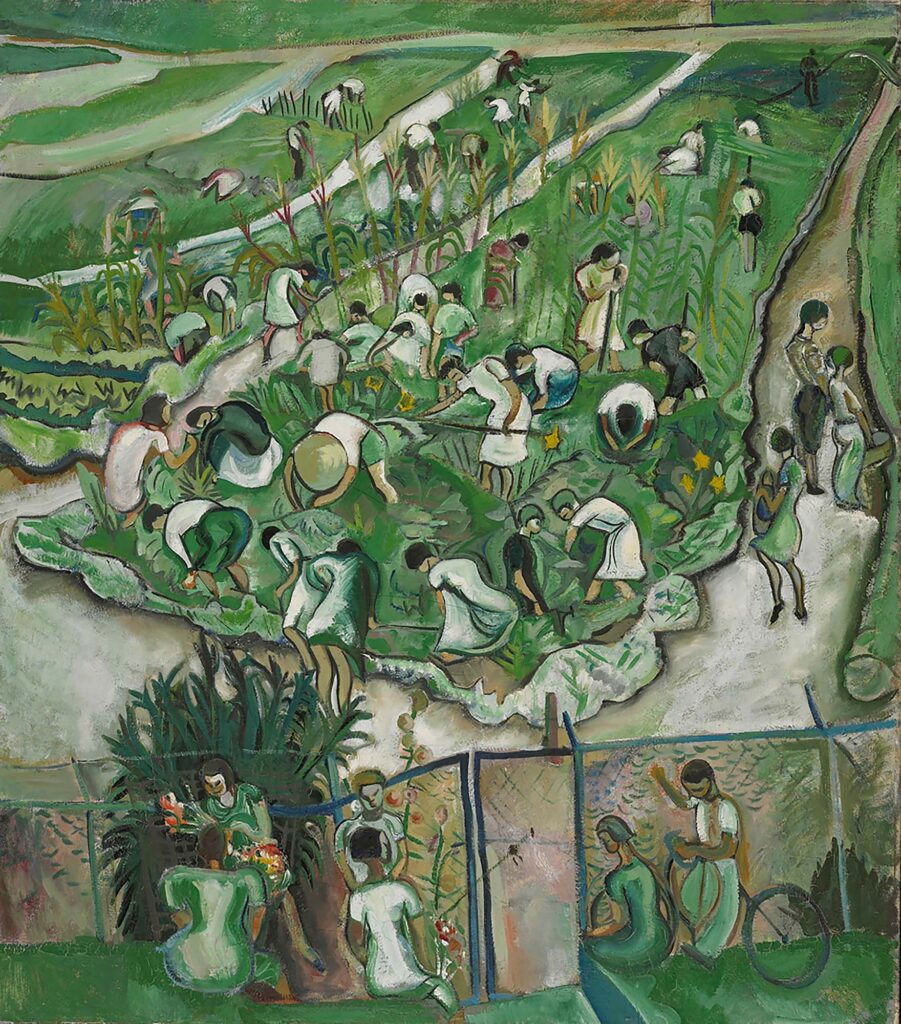
Pegi Nicol MacLeod, School in a Garden, c.1934
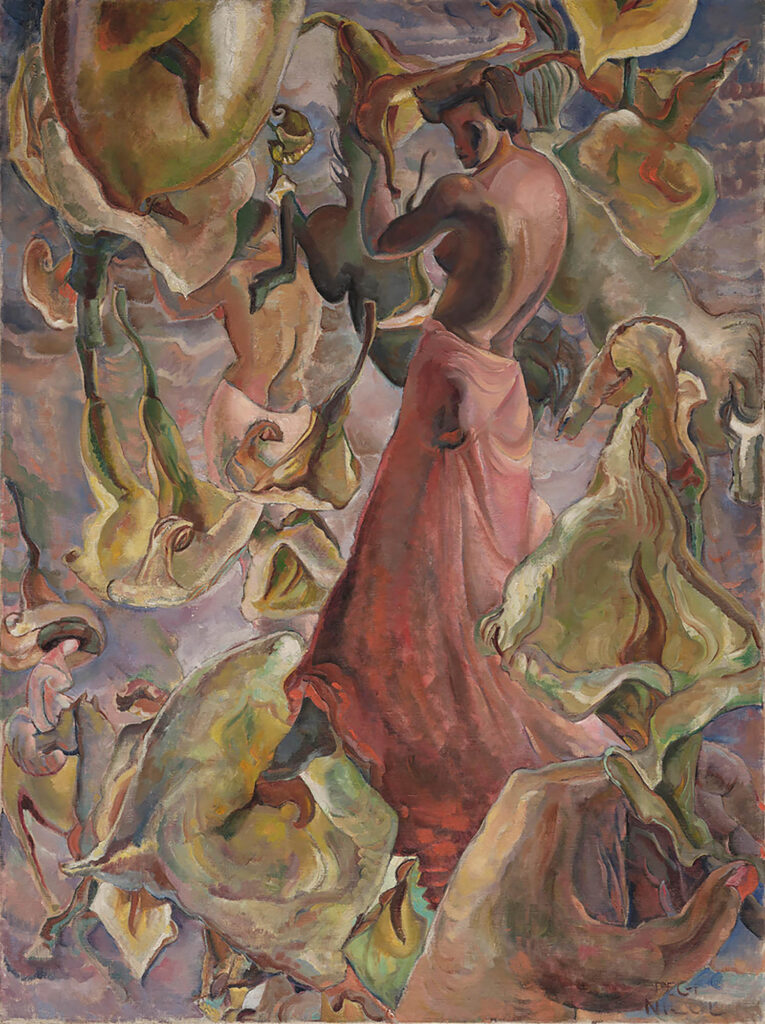
Pegi Nicol MacLeod, A Descent of Lilies, 1935
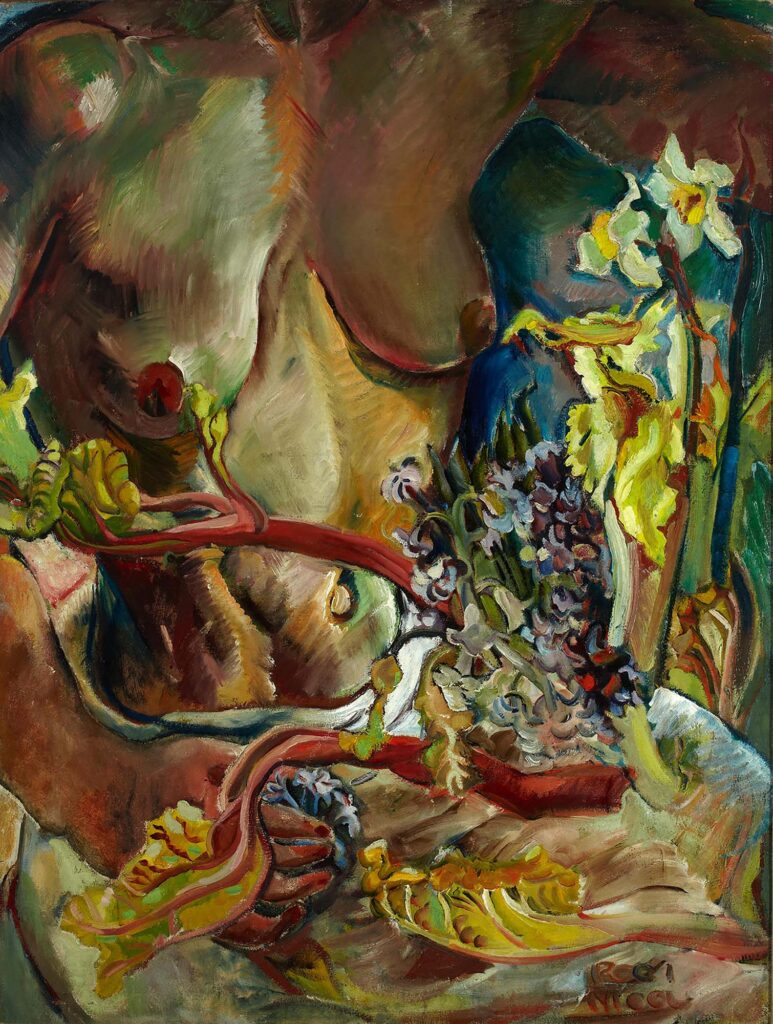
Pegi Nicol MacLeod, Torso and Plants, c.1935
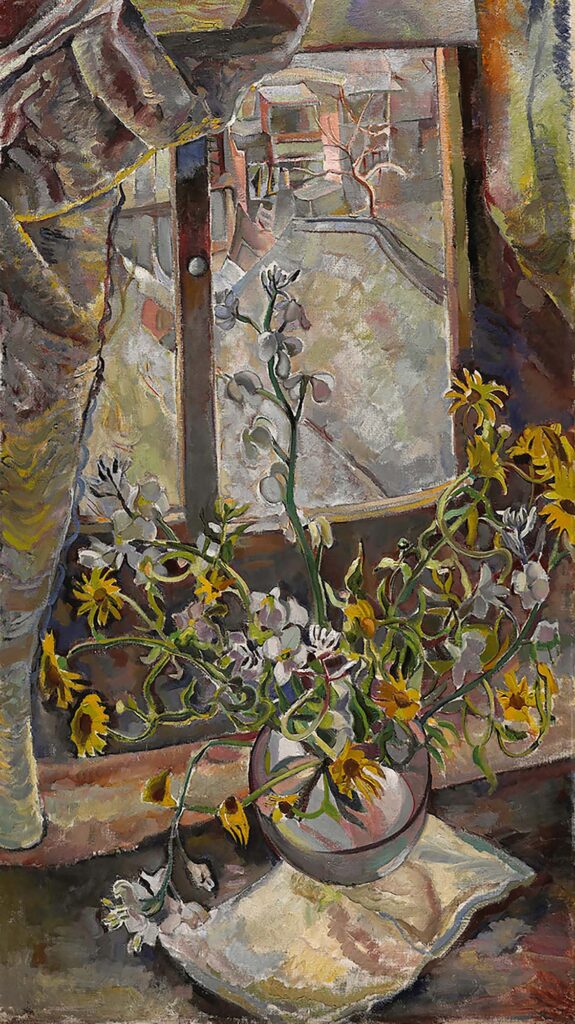
Pegi Nicol MacLeod, Cold Window, 1937
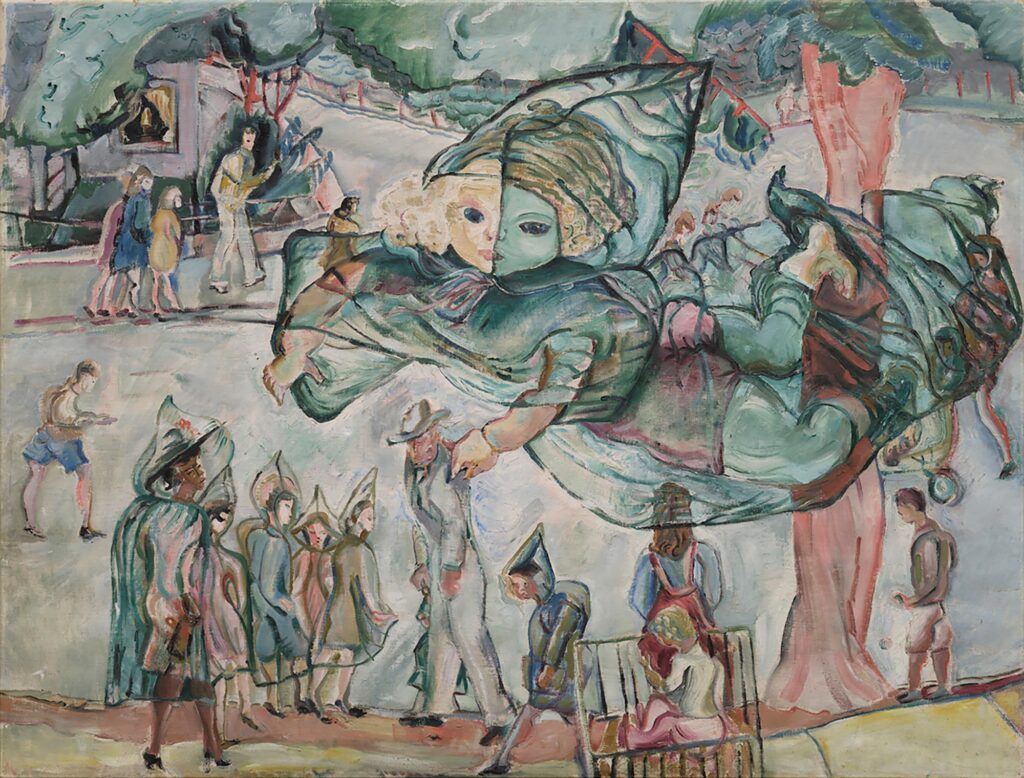
Pegi Nicol MacLeod, Children in Pliofilm, 1939
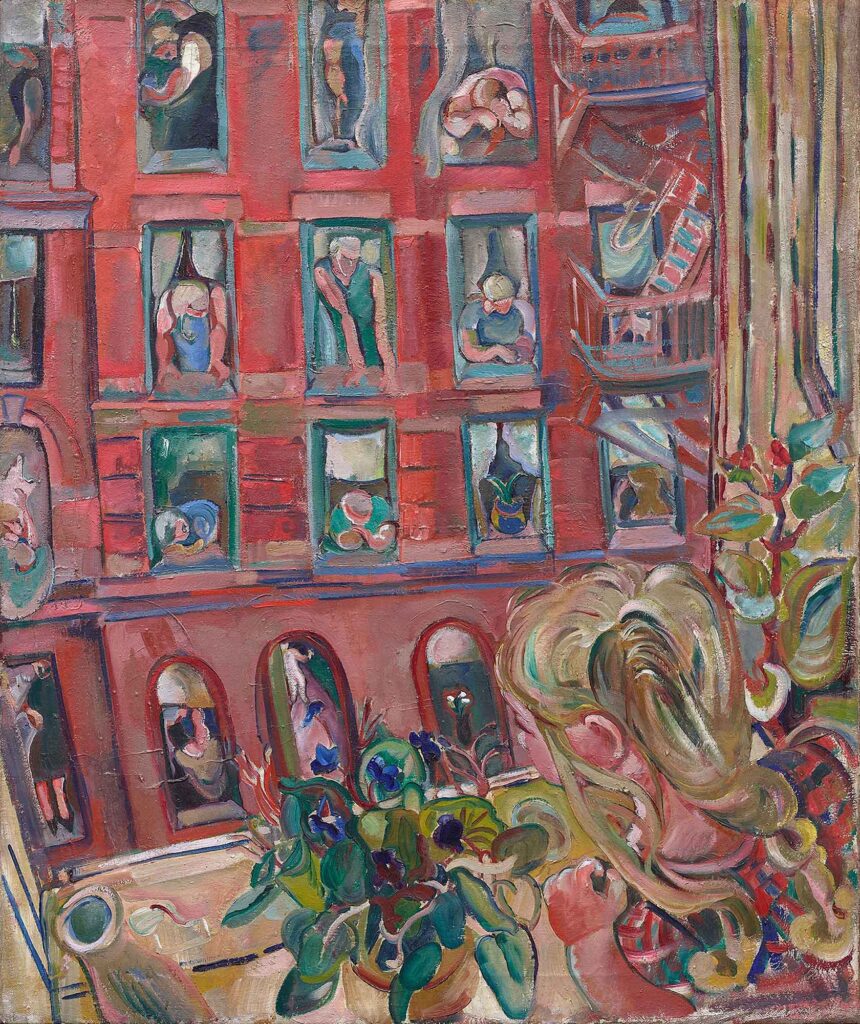
Pegi Nicol MacLeod, Young Girl at the Window, c.1941
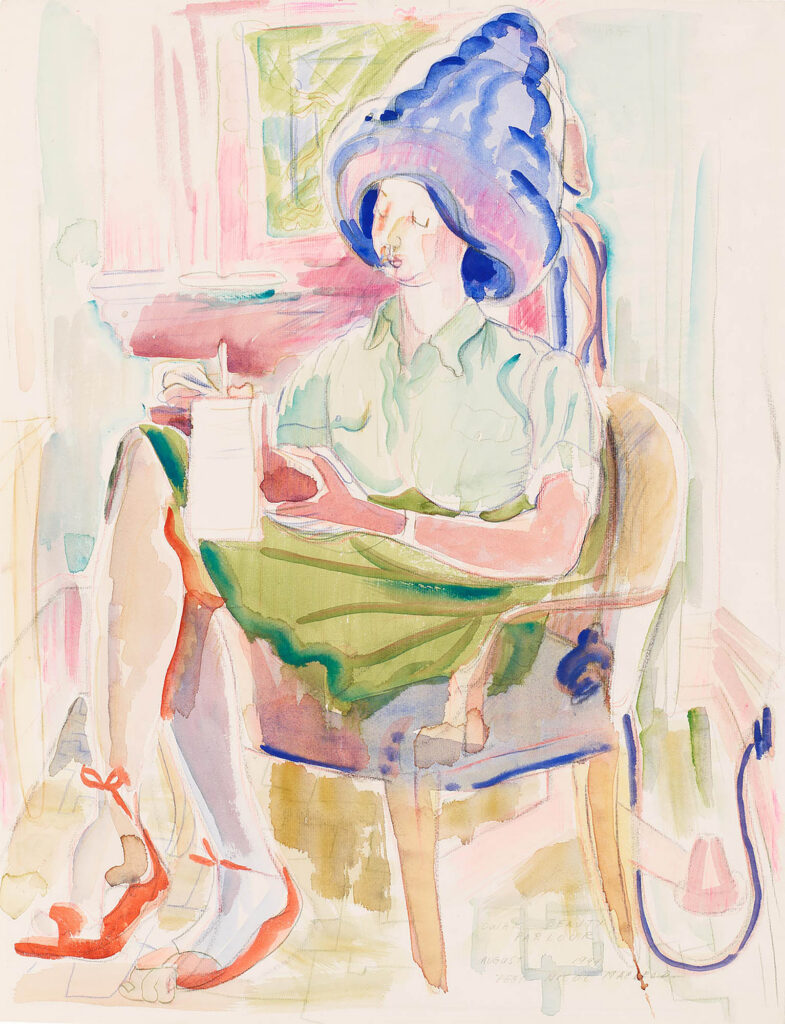
Pegi Nicol MacLeod, CWAC Beauty Parlour #1, 1944

Pegi Nicol MacLeod, Jump Rope, c.1945
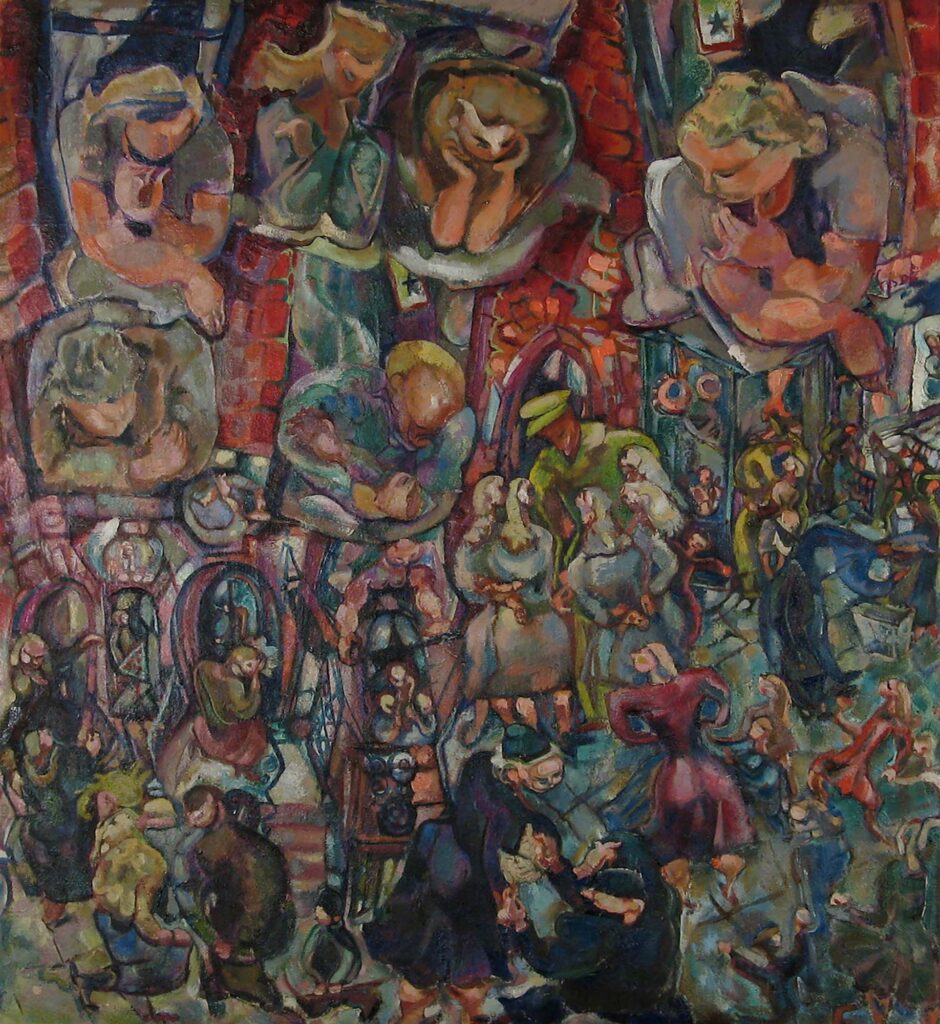
Pegi Nicol MacLeod, When Johnnie Comes Marching Home, c.1946