Cold Window, c.1937
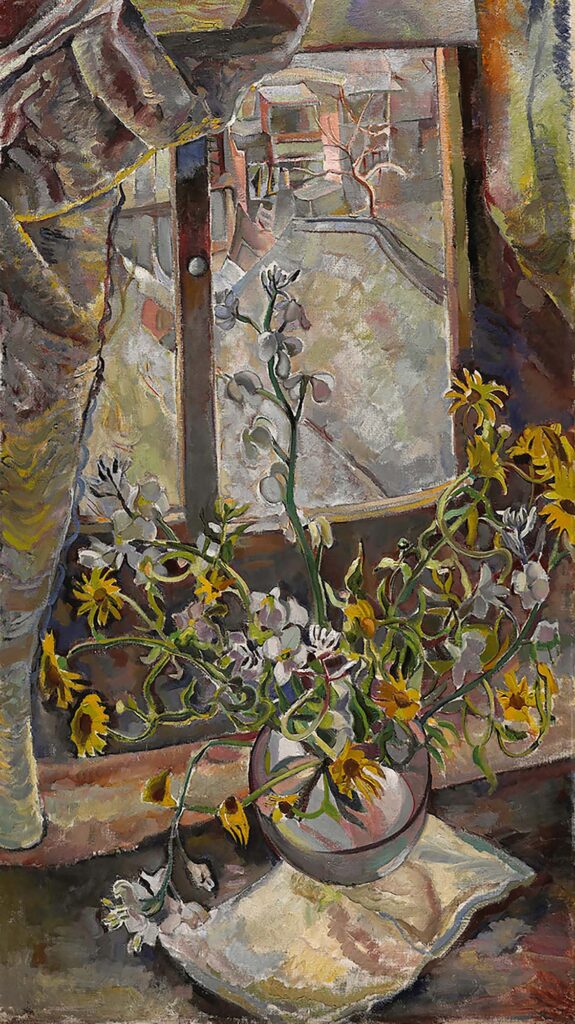
Pegi Nicol MacLeod, Cold Window, c.1937, oil on canvas, 122.4 x 69.2 cm, National Gallery of Canada, Ottawa.
Cold Window introduces a compositional device that MacLeod would return to throughout her career: a still life of flowers set before a window, here a threshold between interior and exterior, warmth and cold, vitality and stasis—a motif she later developed in her New York apartment paintings. Created during a period of profound personal strain—in the same year, MacLeod had an abortion—the work represents a marked change in her use of the open window as a charged pictorial device. As art historian Laura Brandon has noted, MacLeod’s paintings from this period often reflect on life and death.
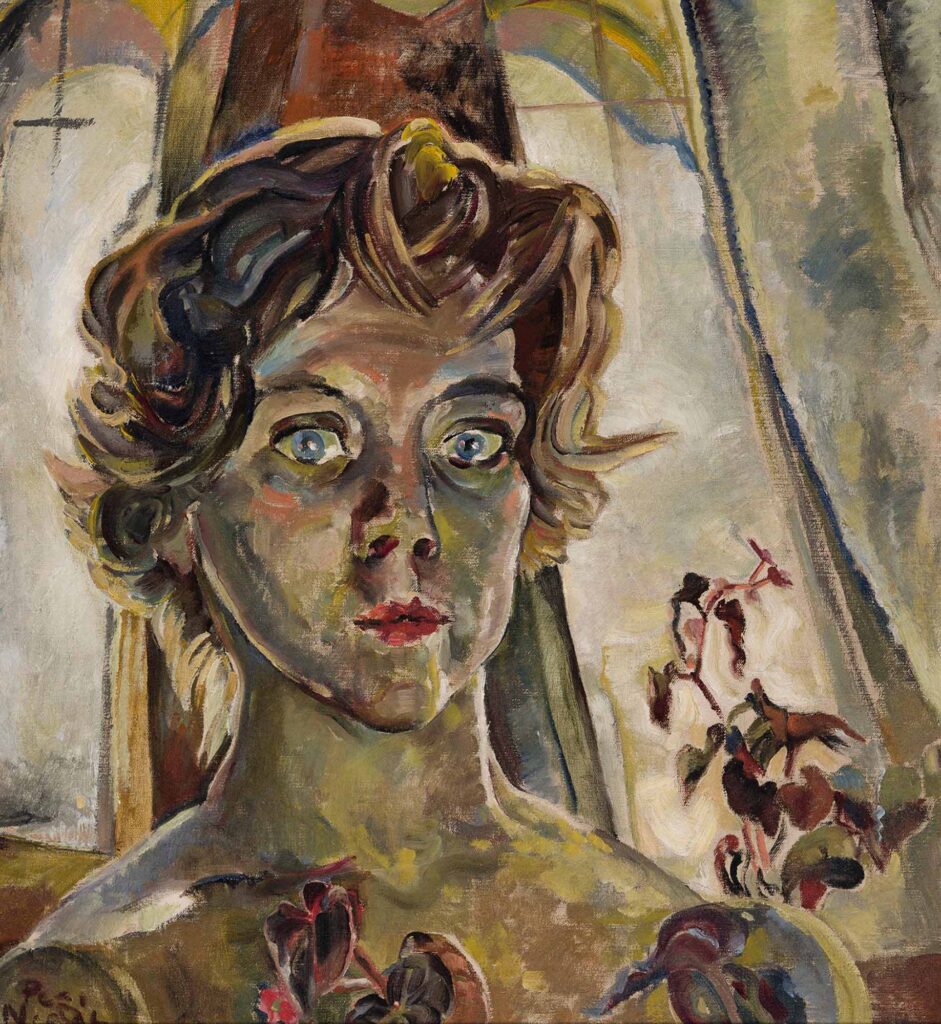
Pegi Nicol MacLeod, Self-portrait with Begonia, c.1935, oil on canvas, 55.8 x 51 cm, private collection.
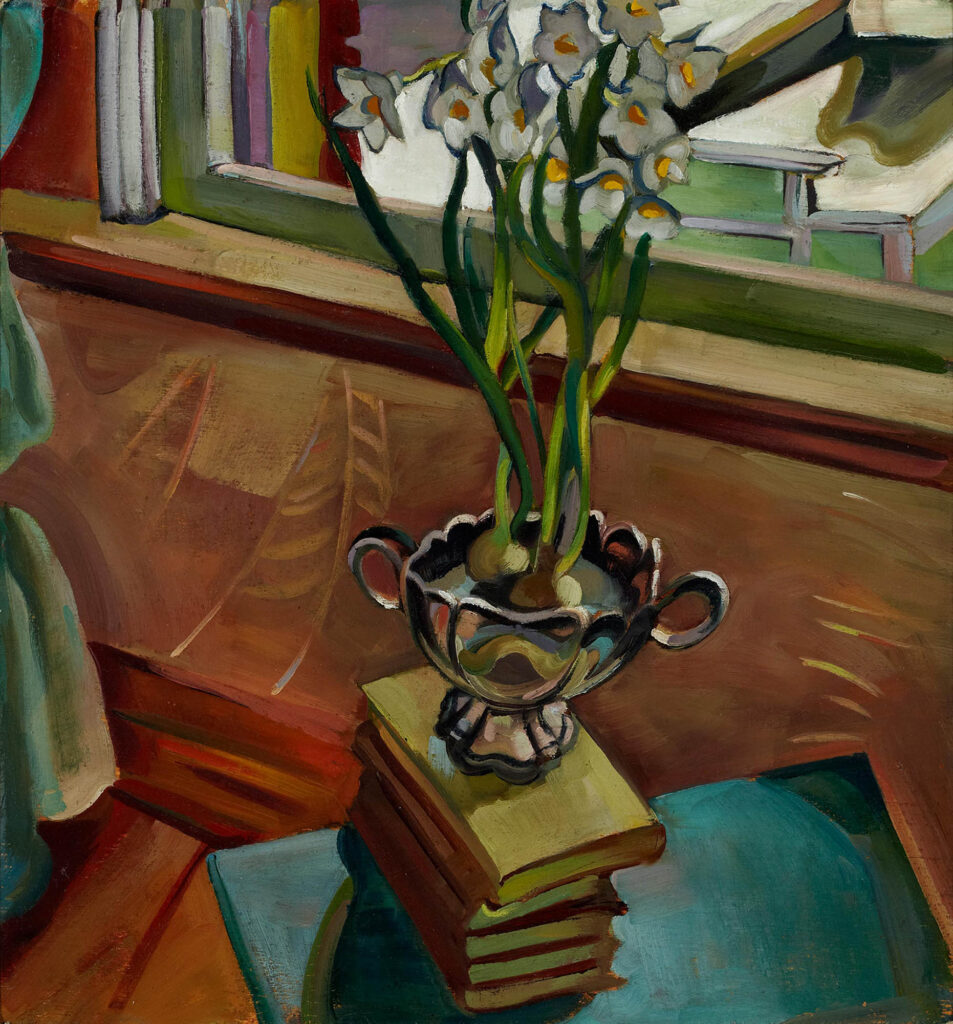
Pegi Nicol MacLeod, Narcissus, c. 1931, oil on canvas, 40.7 x 38.3 cm, Robert McLaughlin Gallery, Oshawa.
While still-life paintings of vases of flowers have a long history in Western art, they are often characterized by compositional stillness. MacLeod’s flower paintings, by contrast, are kinetic. She depicted herself holding flowers in works such as The Slough, 1928, Self-Portrait with Begonia, c.1935, and Pegi with Cyclamens, 1936, but Cold Window isolates the motif, focusing exclusively on a vase of yellow and white blossoms. It is a concentrated study in still life, allowing MacLeod to hone her handling of colour, line, and motion. Flowers were one of the most accessible and popular subjects for women painters in Canada, especially during the long, harsh winters, and MacLeod painted them repeatedly, including cyclamens, which she mentions in correspondence with Marian Dale Scott (1906–1993).
Cold Window presents a vase of yellow and white flowers arranged on a windowsill, their twisting green stems spilling out in an animated tangle. They stand in vivid contrast to the static, wintry Cubist-like cityscape beyond: bare trees, angular rooftops, and muted buildings rendered in cool greys and mauves. Heavy curtains, painted with expressive strokes in earthy browns and ochres, further accentuate the interplay between interior abundance and exterior barrenness. The dynamic brushwork of the blossoms against the subdued geometry of the urban scene creates a striking tension at the heart of the composition.
This exploration of interior and exterior space connects Cold Window to her earlier work Narcissus, 1931—whose irregular perspective and bold colours are reminiscent of Paul Cézanne (1839–1906)—while anticipating the many window views she painted in her New York years. Though it’s unclear whether MacLeod knew of the recurring open-window motif in the work of Henri Matisse (1869–1954), the comparison is illuminating. Where Matisse used the device to experiment with perspective, MacLeod appears to use it as a meditation on the passage of time.
Gallery
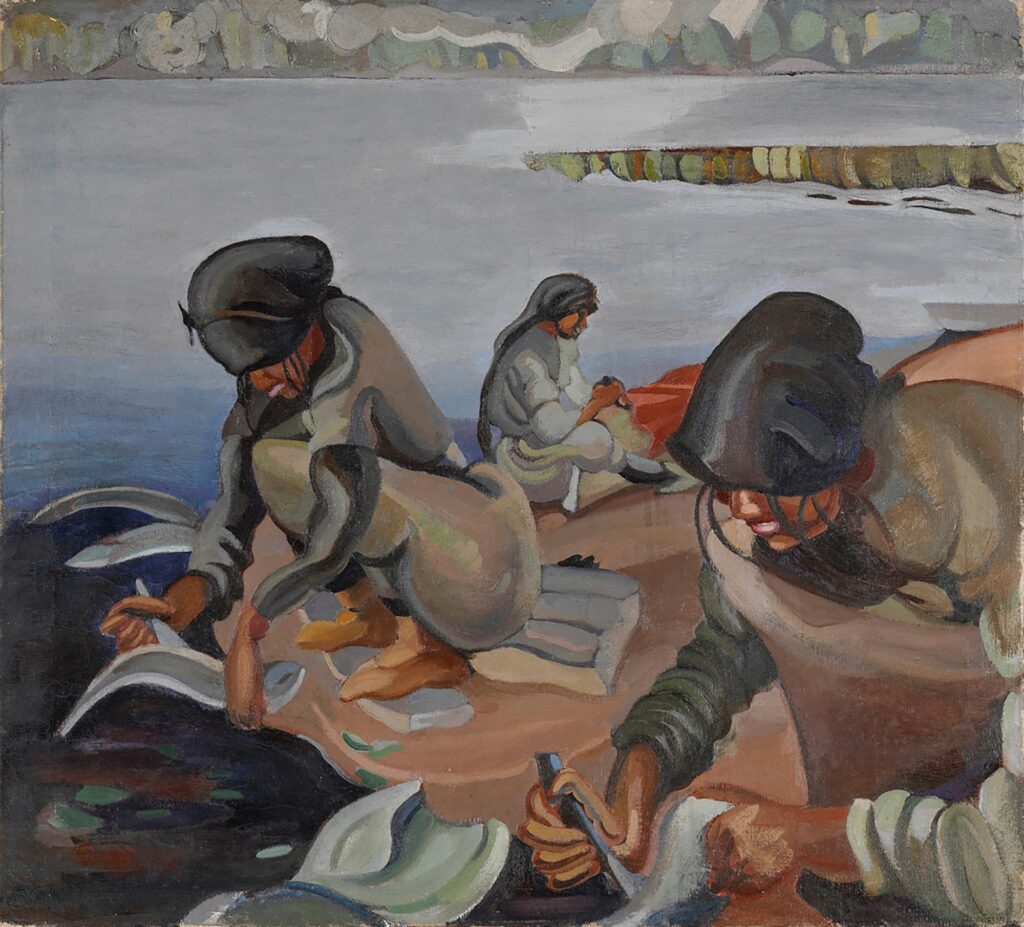
Pegi Nicol MacLeod, Women Cleaning Fish, c.1927

Pegi Nicol MacLeod, Self-Portrait, c.1928
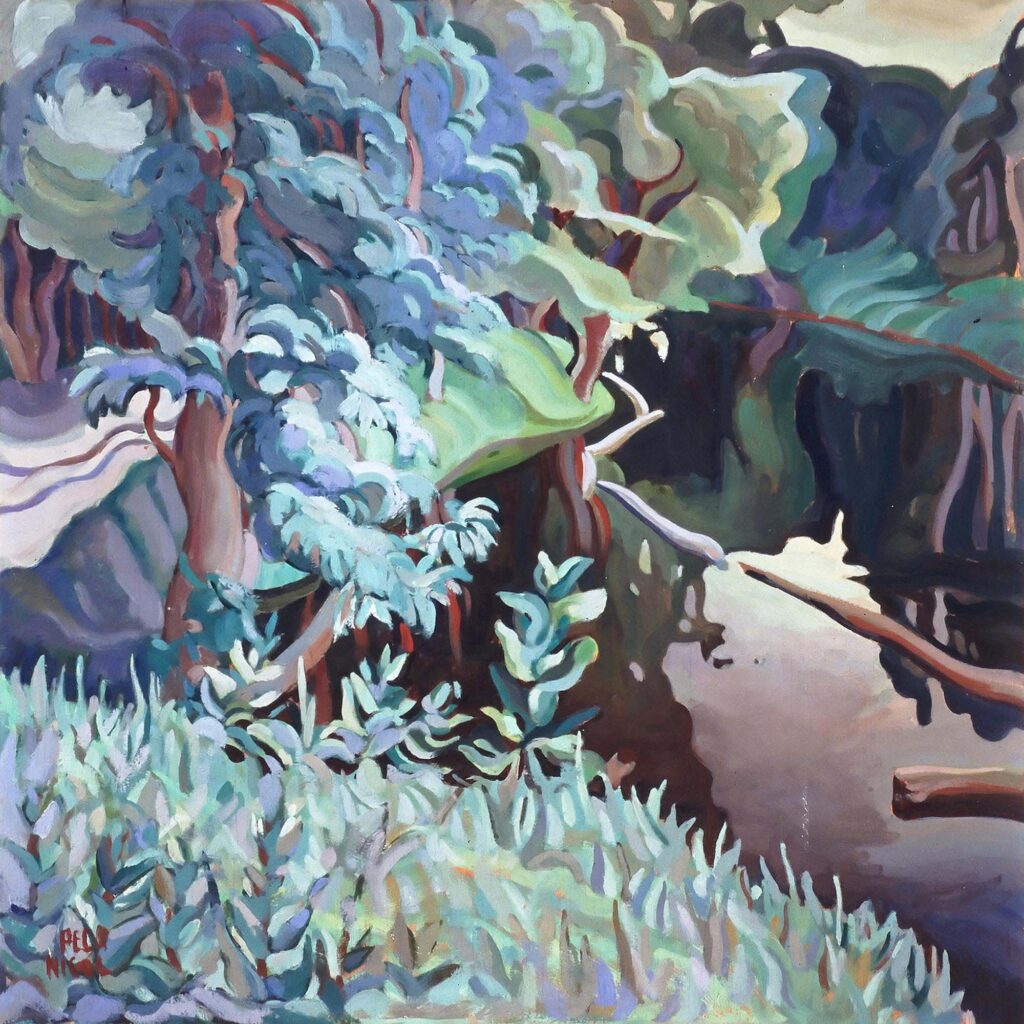
Pegi Nicol MacLeod, The Log Run, c.1930
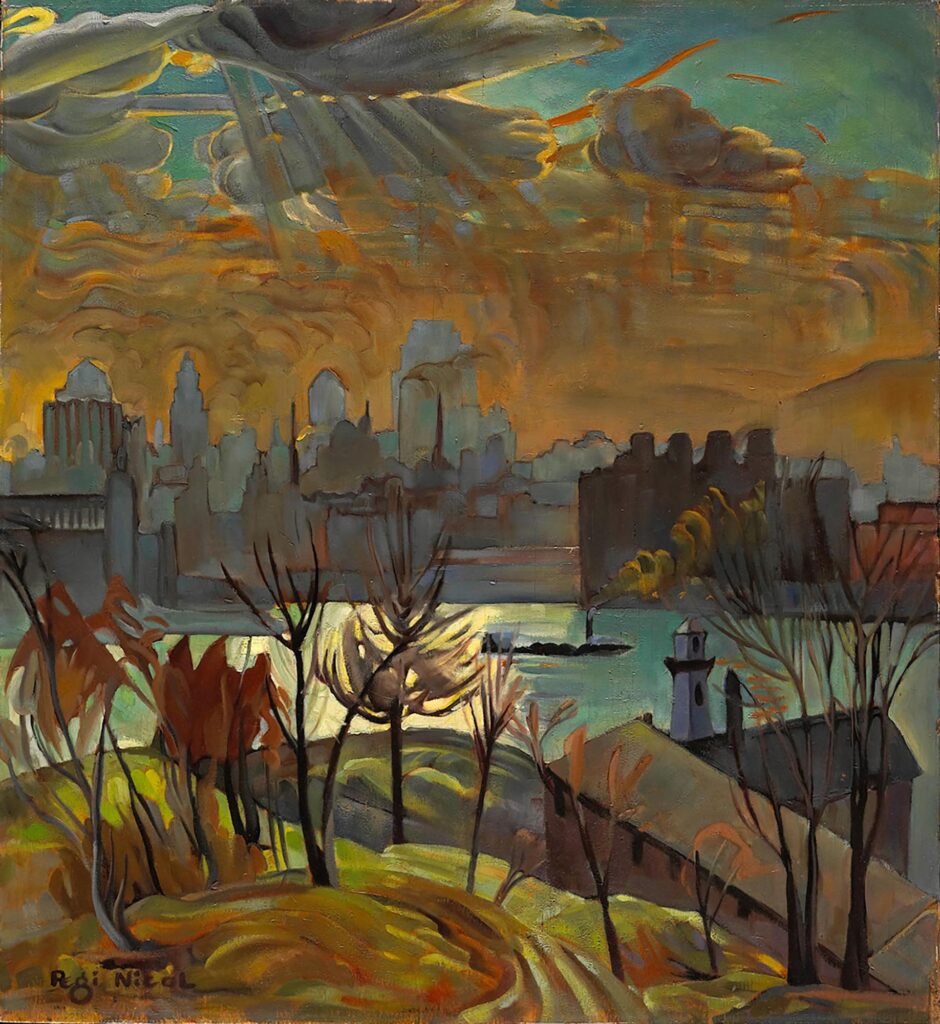
Pegi Nicol MacLeod, Montreal Harbour from St. Helen’s Island, 1933
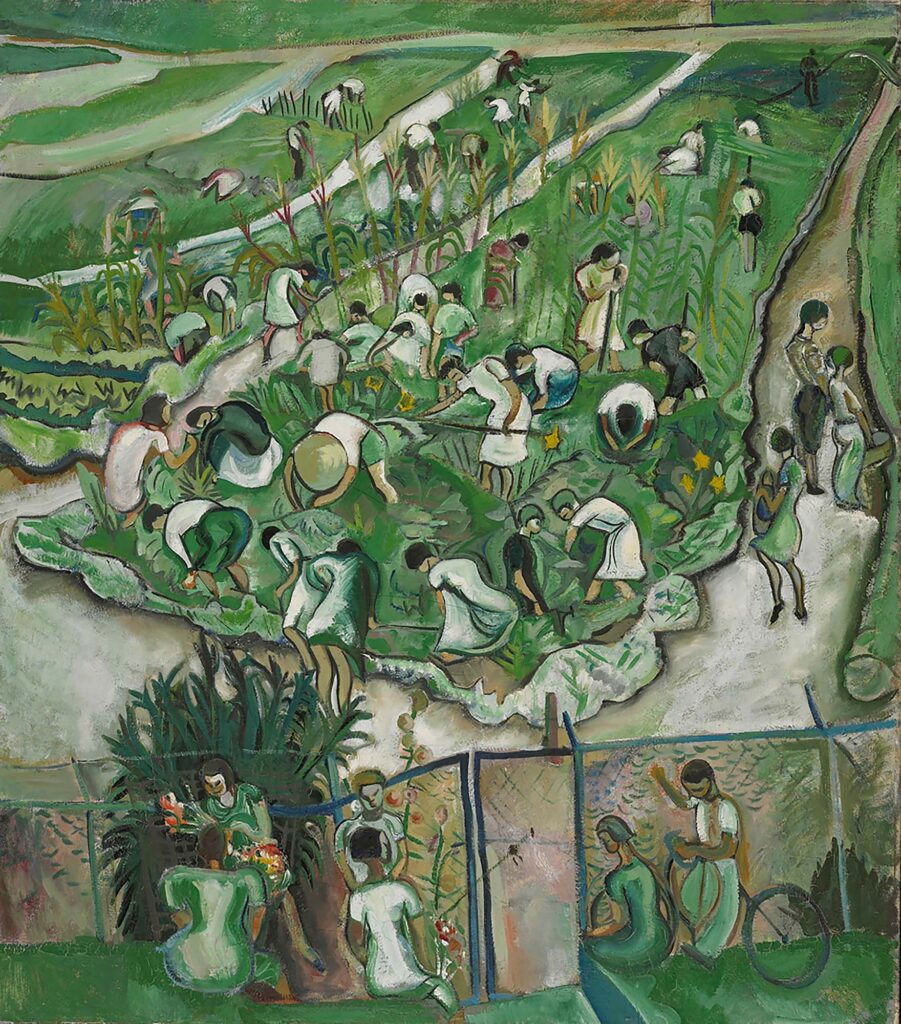
Pegi Nicol MacLeod, School in a Garden, c.1934
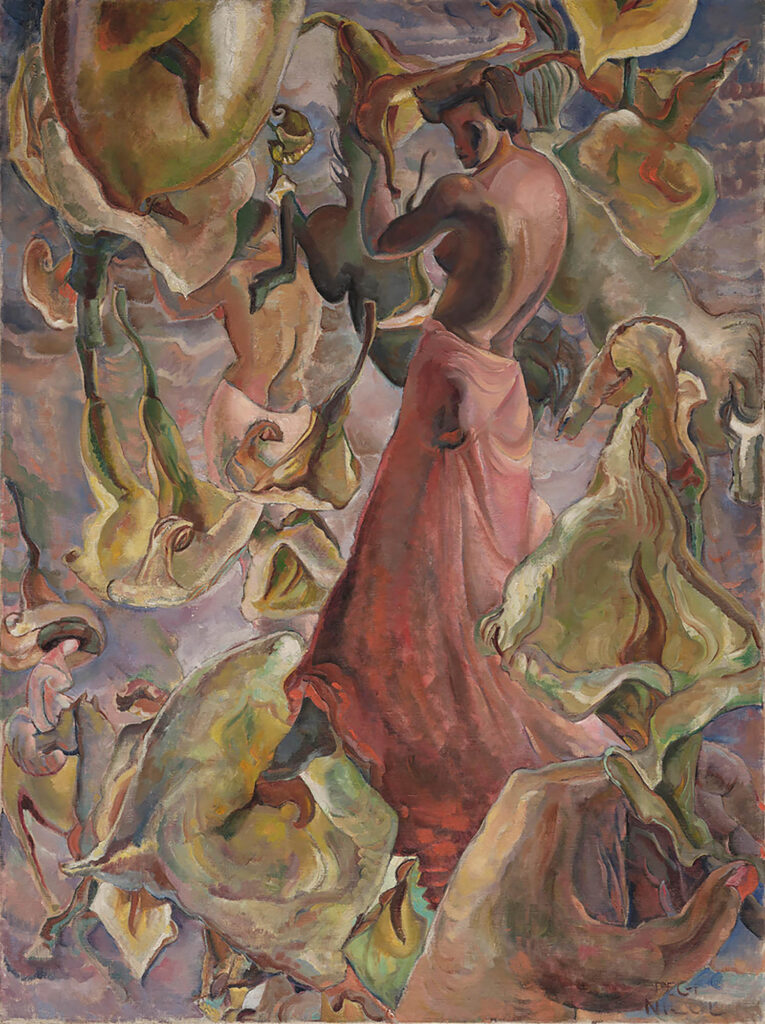
Pegi Nicol MacLeod, A Descent of Lilies, 1935
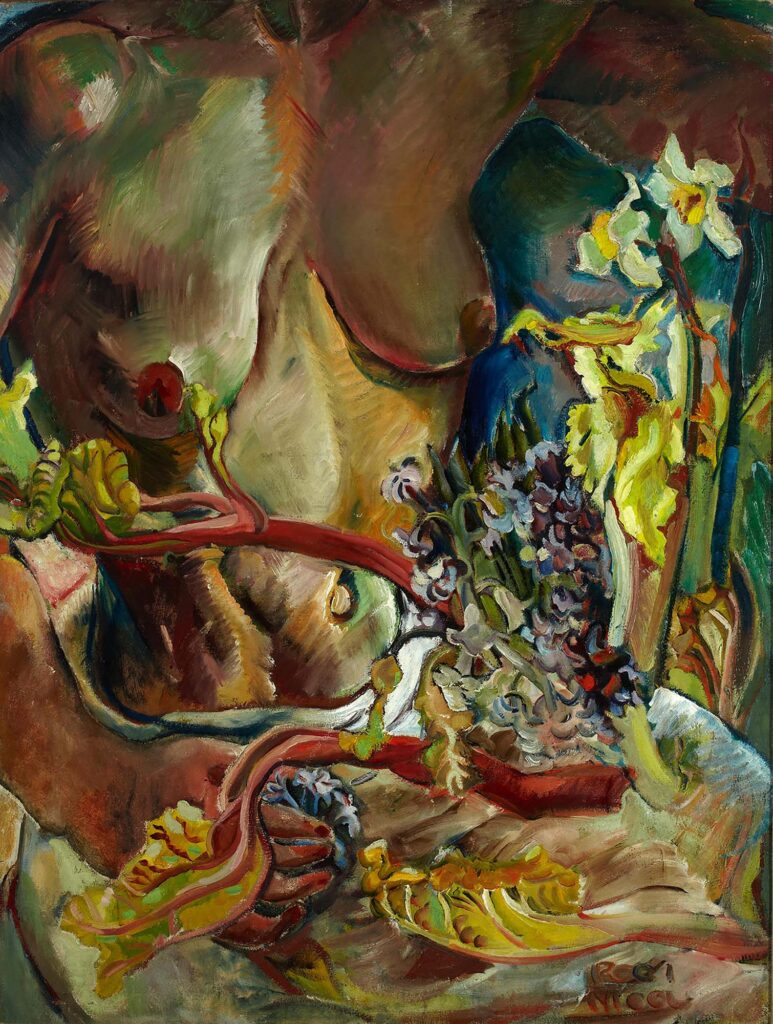
Pegi Nicol MacLeod, Torso and Plants, c.1935
Pegi Nicol MacLeod, Cold Window, 1937
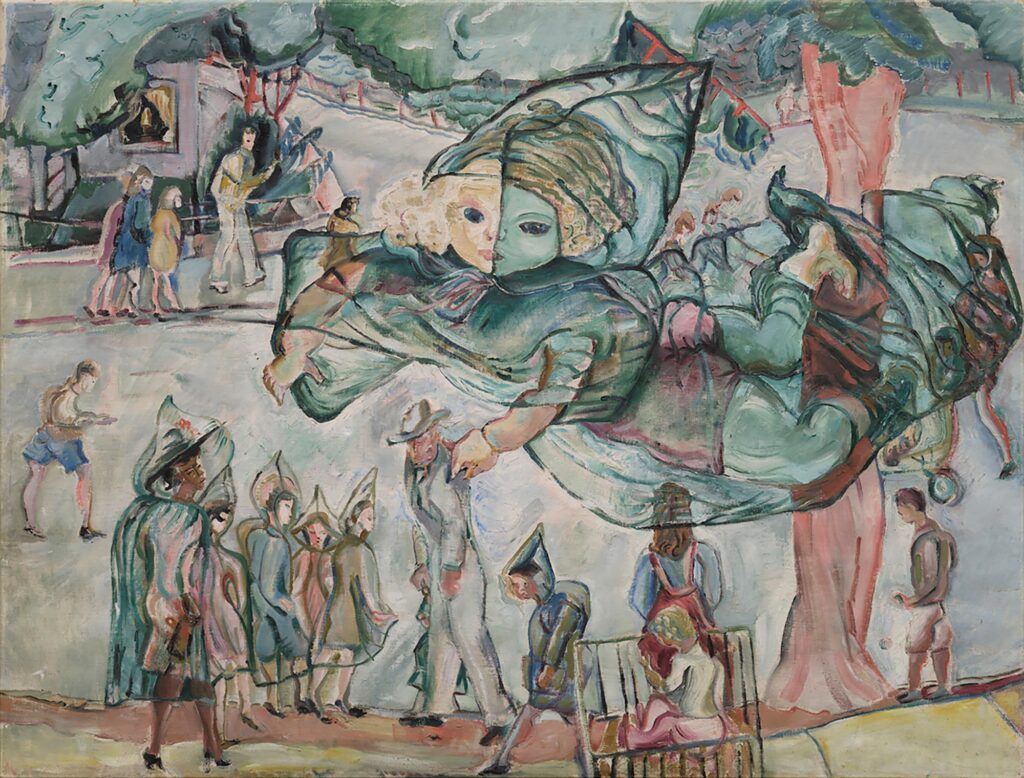
Pegi Nicol MacLeod, Children in Pliofilm, 1939
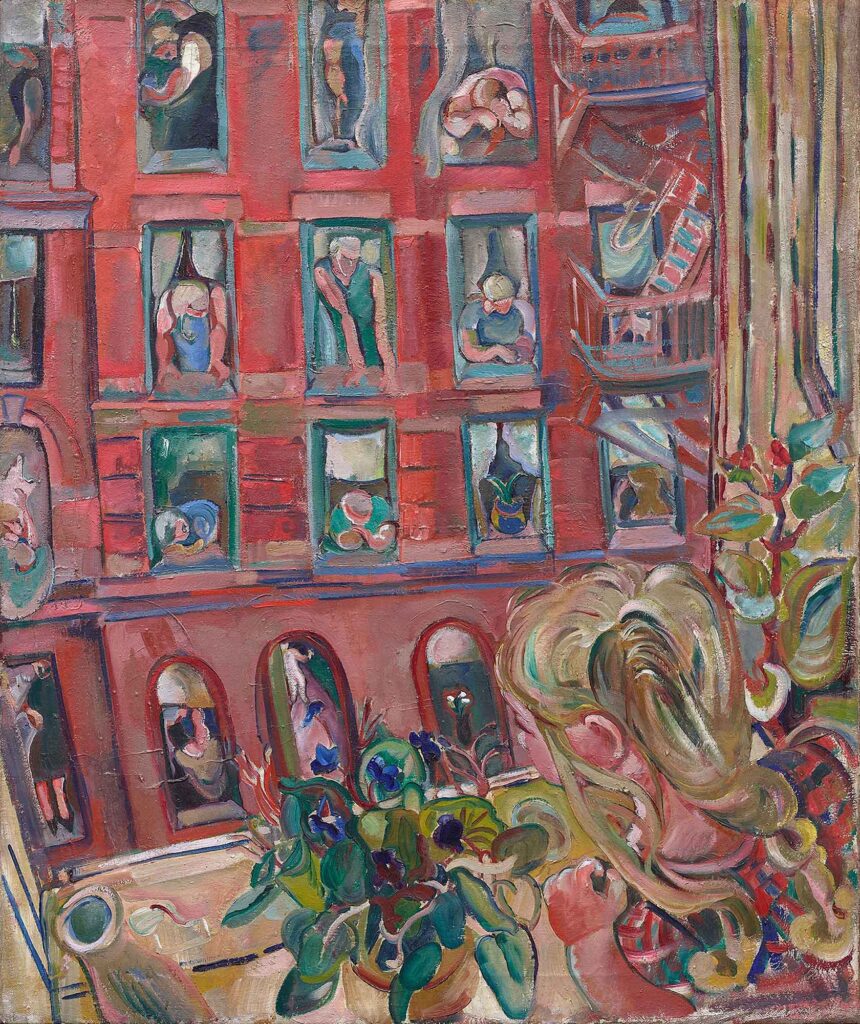
Pegi Nicol MacLeod, Young Girl at the Window, c.1941
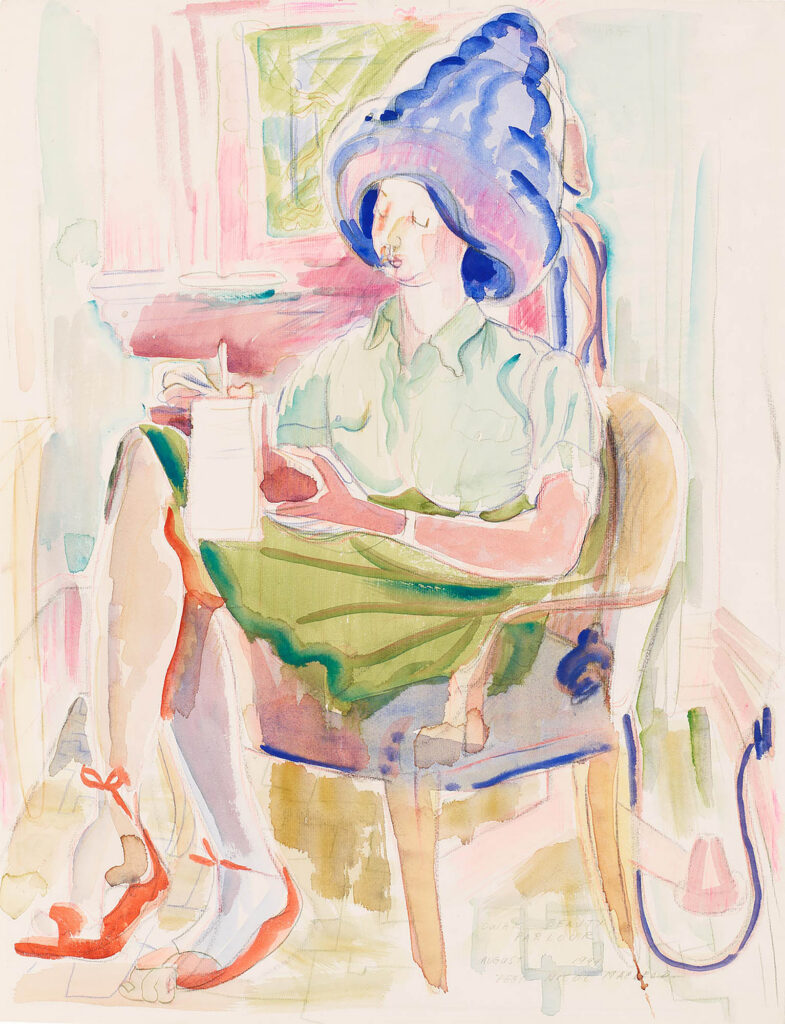
Pegi Nicol MacLeod, CWAC Beauty Parlour #1, 1944

Pegi Nicol MacLeod, Jump Rope, c.1945
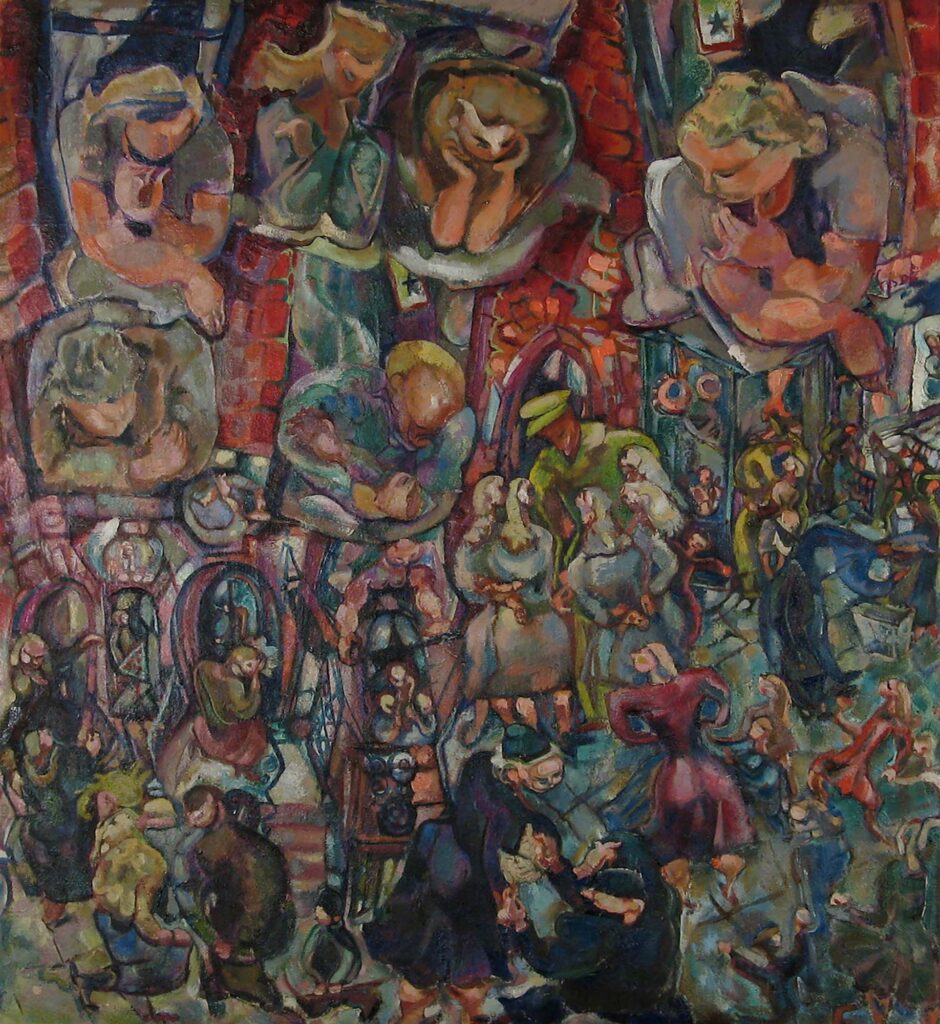
Pegi Nicol MacLeod, When Johnnie Comes Marching Home, c.1946