When Johnnie Comes Marching Home, c.1946
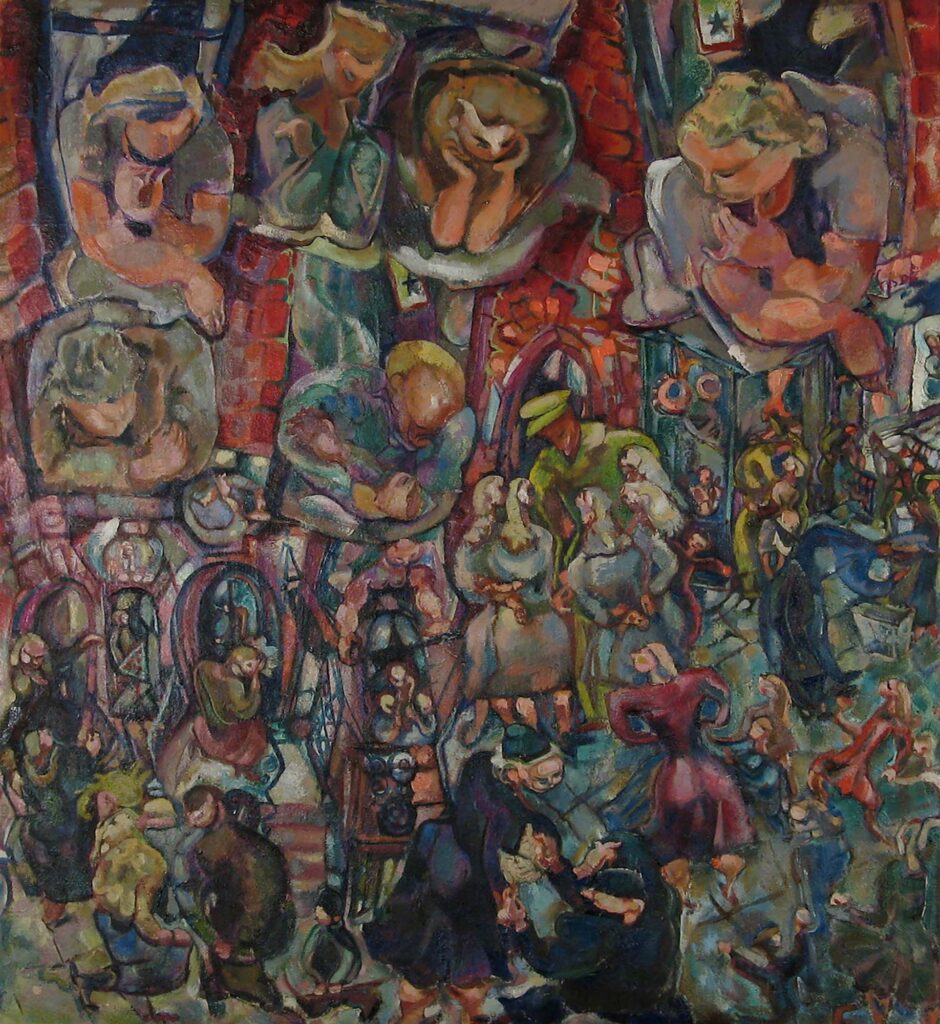
Pegi Nicol MacLeod, When Johnnie Comes Marching Home, c.1946, oil on canvas, 122 x 112 cm, Leonard and Bina Ellen Art Gallery, Concordia University, Montreal.
When Johnnie Comes Marching Home is one of the most ambitious paintings in MacLeod’s Manhattan Cycle. The painting reflects her ongoing experimentation with street parades and the apartment life teeming around her in New York. At the centre of the canvas is “Johnnie”—slang for a soldier—surrounded by a throng of women whose presence evokes the collective homecoming of fathers, sons, and brothers. Above the street, several towering female figures appear to float or lean from windows—some with crossed arms, others cradling their hands—as they look down on the chaotic scenes below.
MacLeod used curving lines, exaggerated forms, and a compressed spatial composition to heighten the energy of the painting. The palette is rich with reds, purples, and blues, with pops of black in the two figures in the lower half. When Johnnie Comes Marching Home extends the emotional and symbolic vocabulary of MacLeod’s Marc Chagall-inflected canvas The Peace Bird, c.1946, and transforms the urban parade into an allegory of renewal.
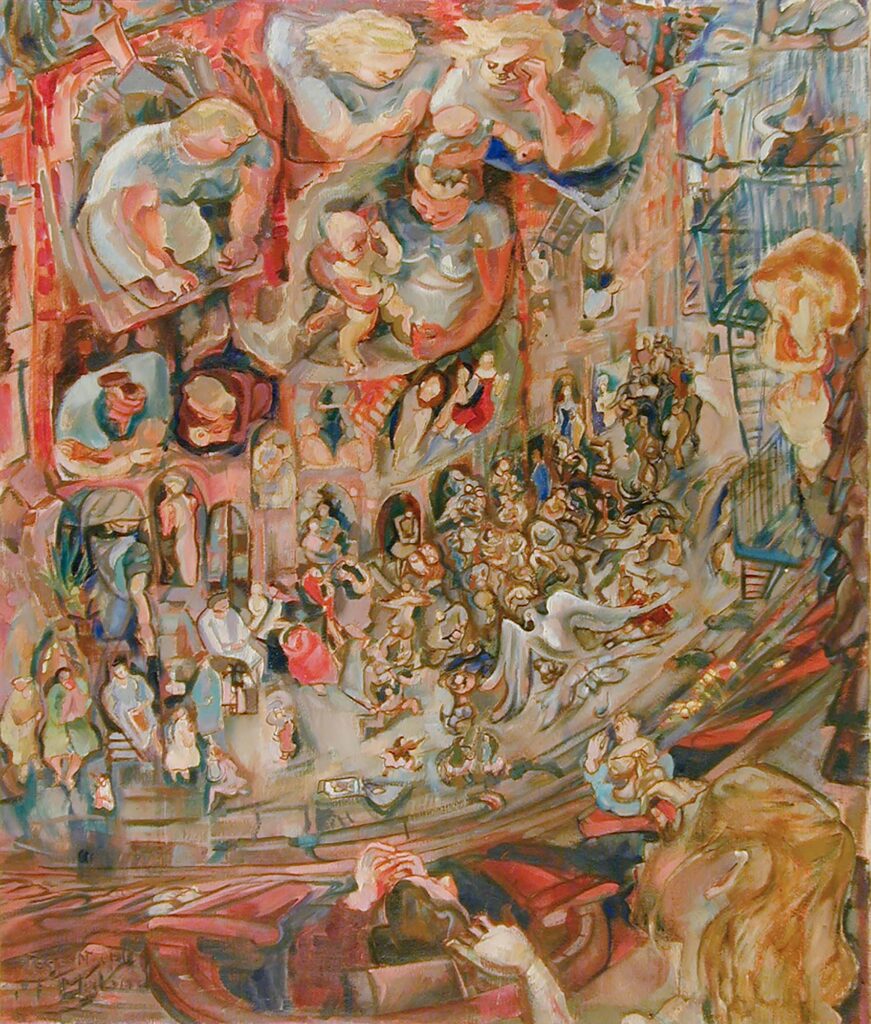
Pegi Nicol MacLeod, The Peace Bird, c.1946, oil on canvas, 119.7 x 101.5 cm, Art Gallery of Greater Victoria.

Marc Chagall, Over Vitebsk, 1914, oil on paper mounted on canvas, 70.3 x 91 cm, Art Gallery of Ontario, Toronto.
MacLeod often framed her compositions through the vantage point of her apartment, looking across at the other tenement buildings and down at the street to capture the vitality of city life, a motif she began exploring in Ottawa during the 1930s. This painting depicts a densely layered New York street scene full of figures in motion. The canvas is so busy that the viewer’s eye struggles to find a focal point. As MacLeod stated, “There are always figures in the windows. The window is New York’s resting place.” This work continues MacLeod’s interest in the home front and military parades—subjects she took up explicitly in Morning Parade, 1944.
Art historian Laura Brandon has observed that even in MacLeod’s non-war subjects, “no part of each canvas is free of her swirls and staccato marks.” This restless surface energy is balanced by the underlying architectural structure of the city, which anchors each composition. MacLeod acknowledged the difficulty her New York work posed for contemporary viewers. She told fellow artist Marian Dale Scott (1906–1993), in reference to a work in a 1944 Canadian Group of Painters exhibition, “The press couldn’t understand my picture.” Yet she remained resolute in her artistic direction, declaring that her “88th Street [project] has been a very important experience for me.”
When Johnnie Comes Marching Home was included in MacLeod’s touring exhibition Manhattan Cycle, which was composed of 110 paintings of New York, mainly of people in the city’s streets. The exhibition was still on tour when she died prematurely at the age of forty-five.
Gallery
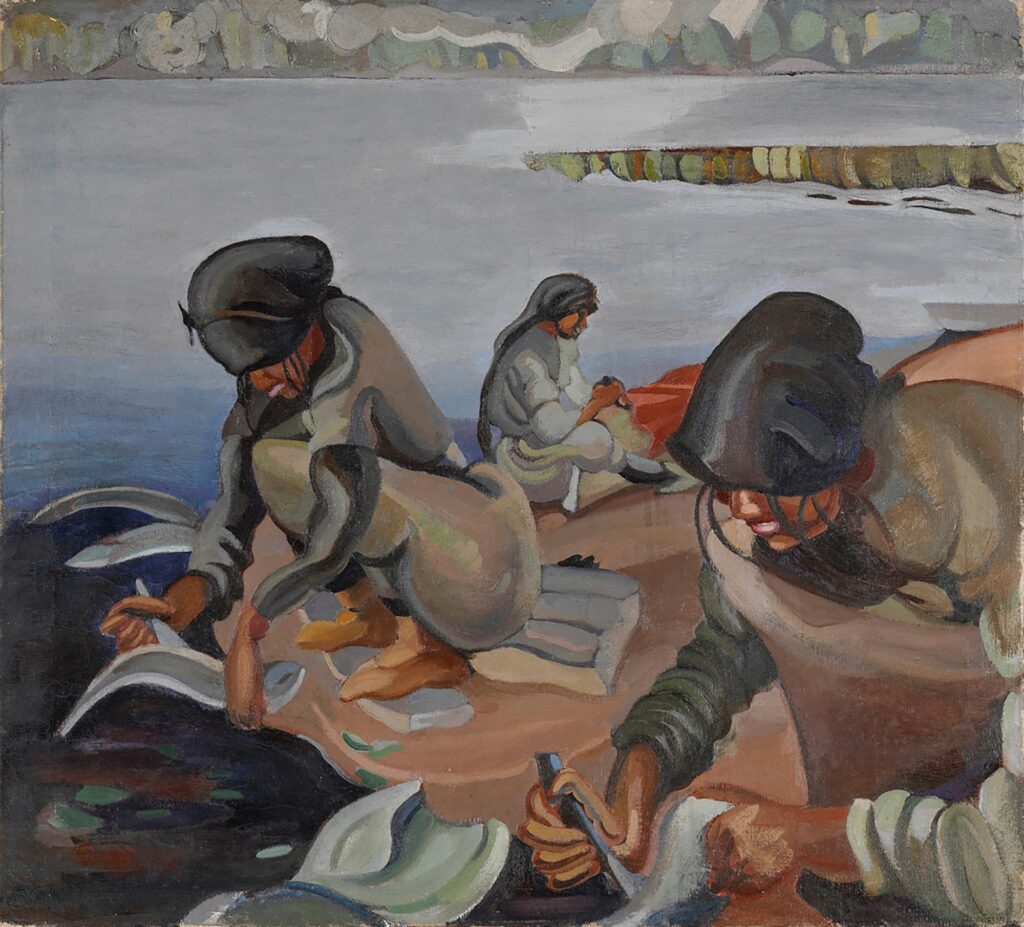
Pegi Nicol MacLeod, Women Cleaning Fish, c.1927

Pegi Nicol MacLeod, Self-Portrait, c.1928

Pegi Nicol MacLeod, The Log Run, c.1930
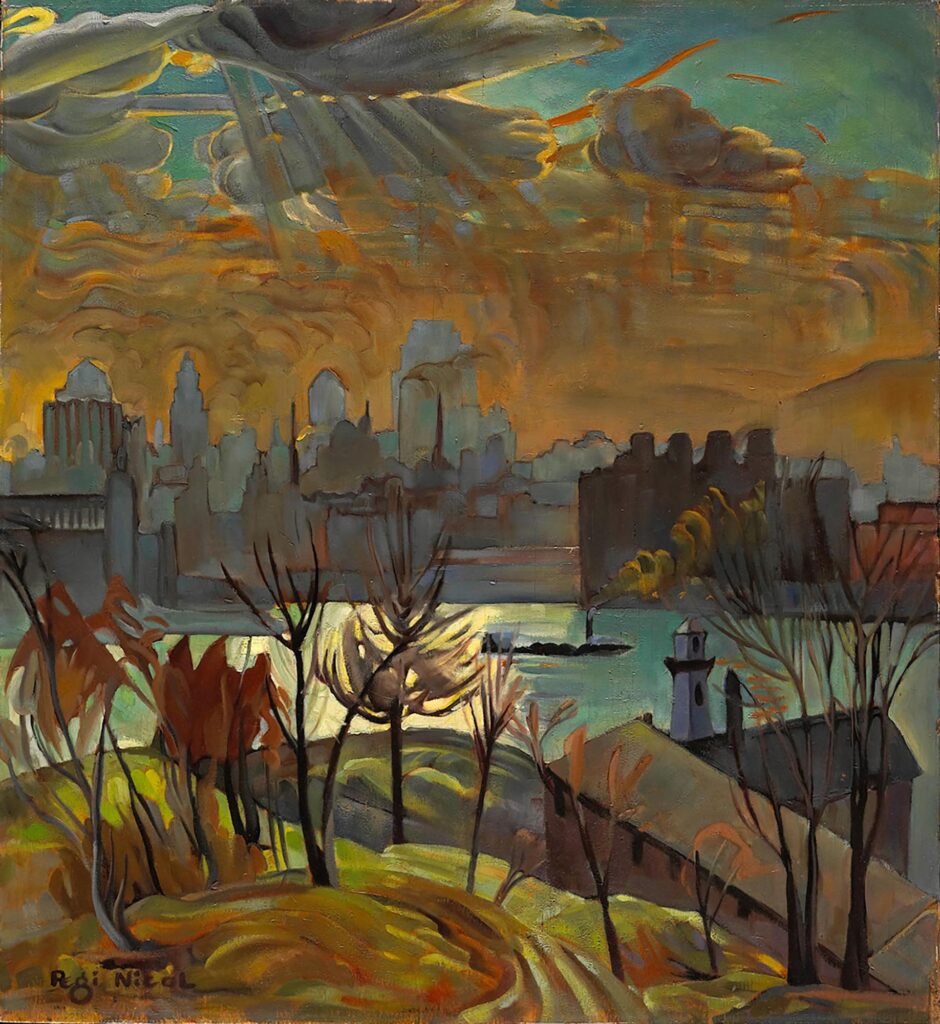
Pegi Nicol MacLeod, Montreal Harbour from St. Helen’s Island, 1933
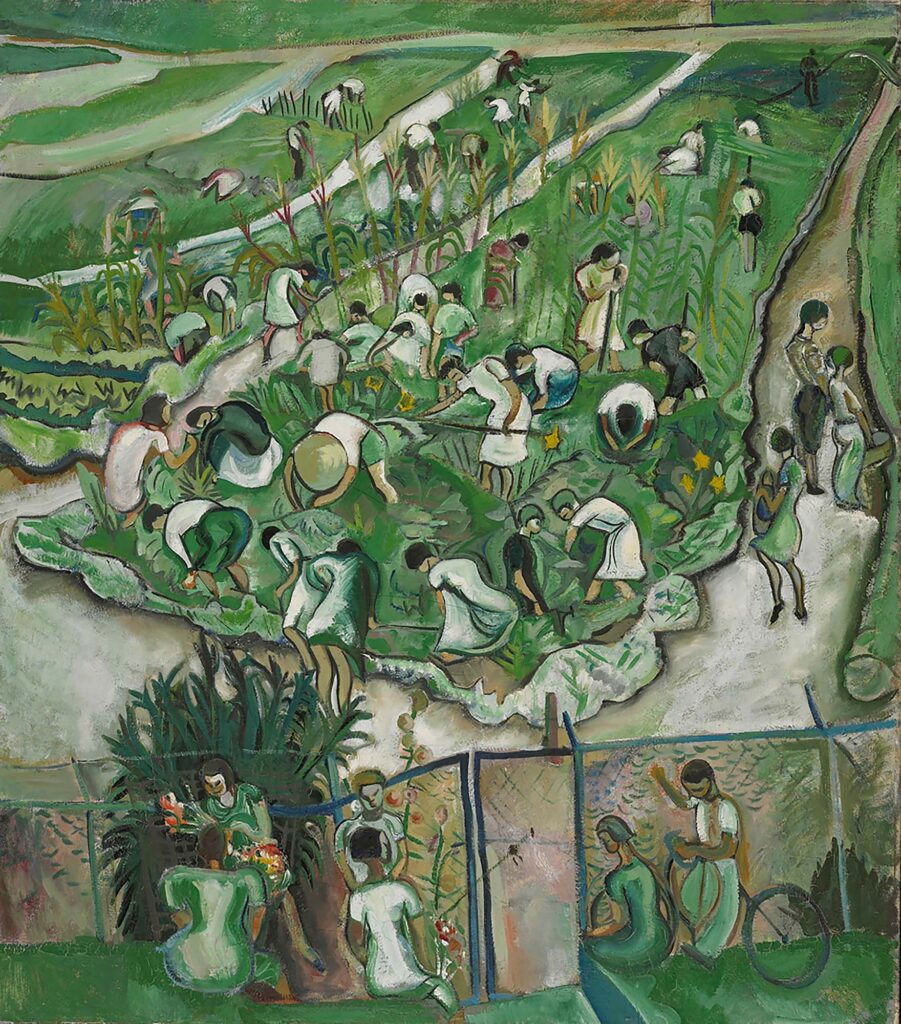
Pegi Nicol MacLeod, School in a Garden, c.1934
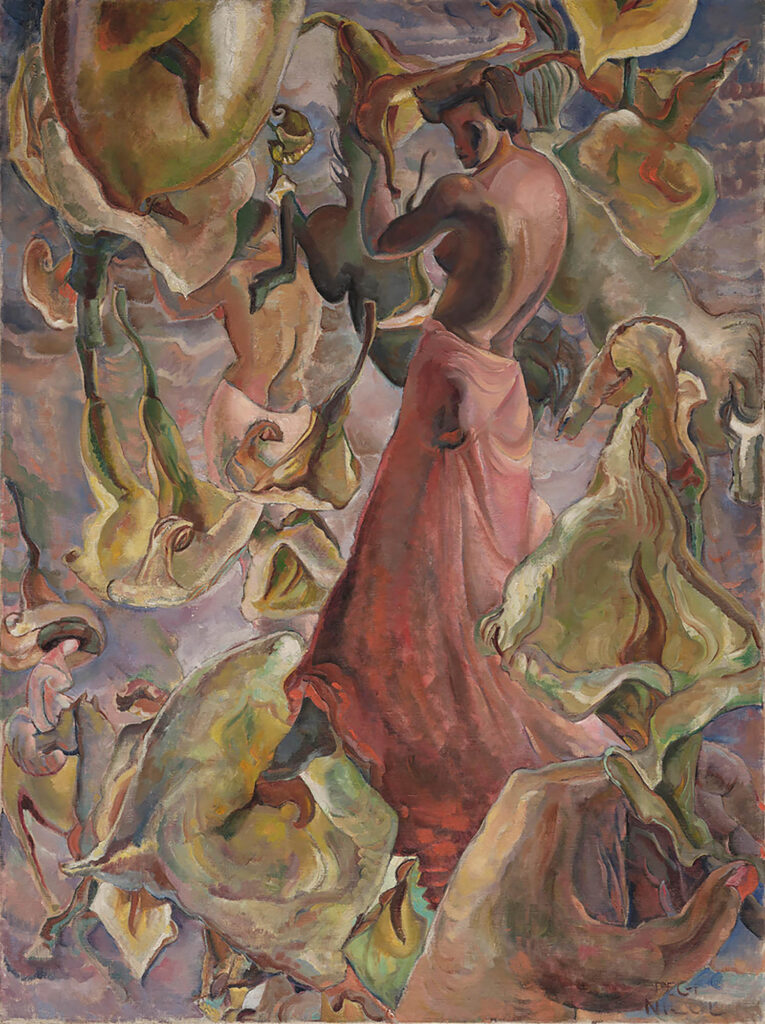
Pegi Nicol MacLeod, A Descent of Lilies, 1935
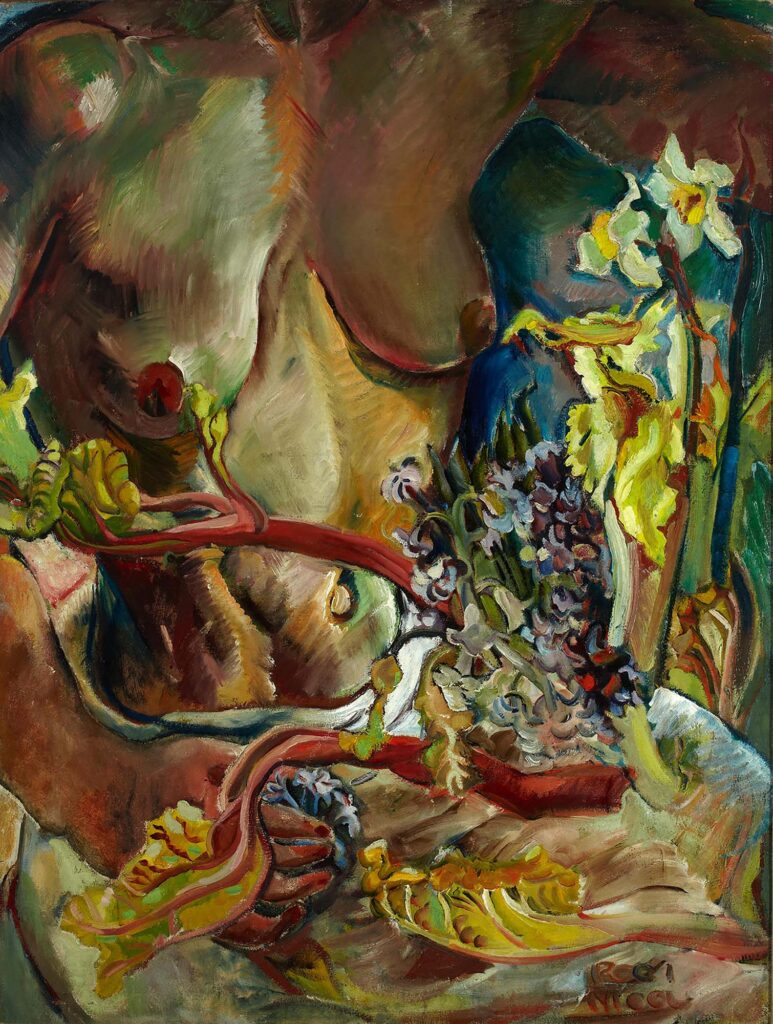
Pegi Nicol MacLeod, Torso and Plants, c.1935
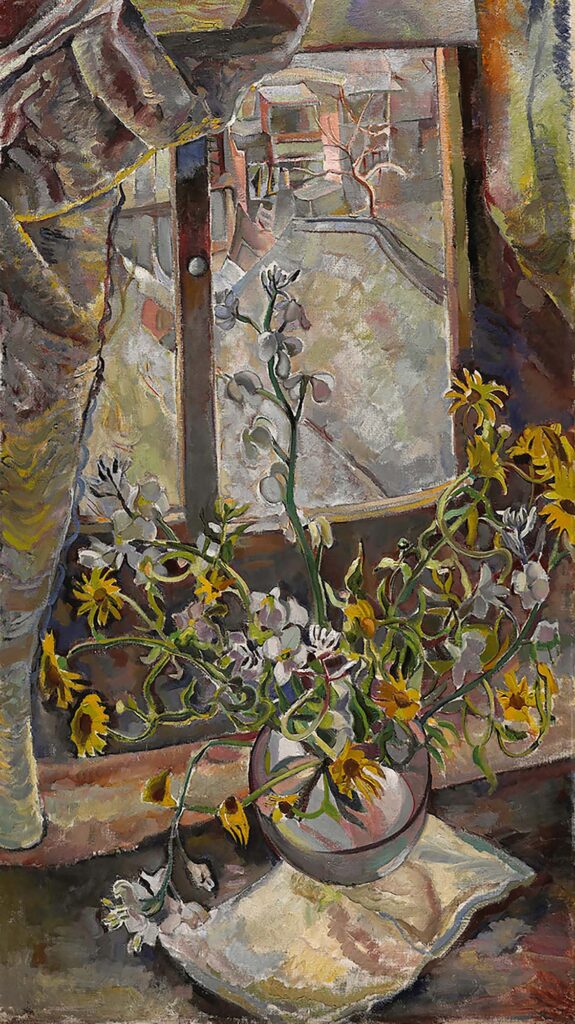
Pegi Nicol MacLeod, Cold Window, 1937
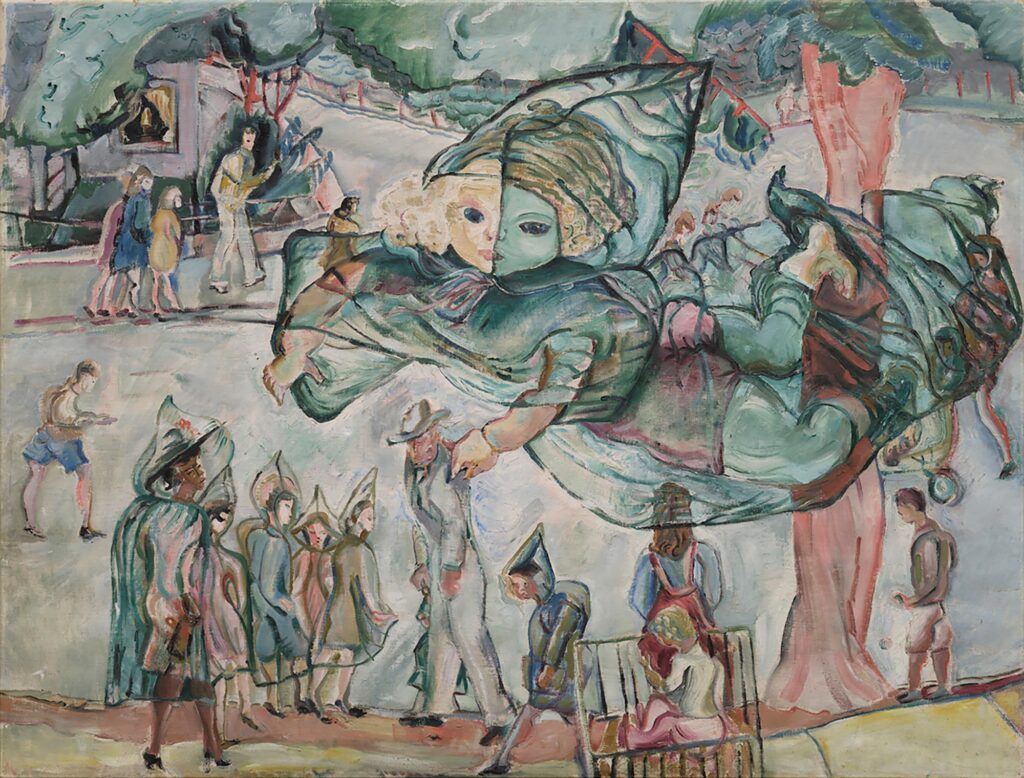
Pegi Nicol MacLeod, Children in Pliofilm, 1939
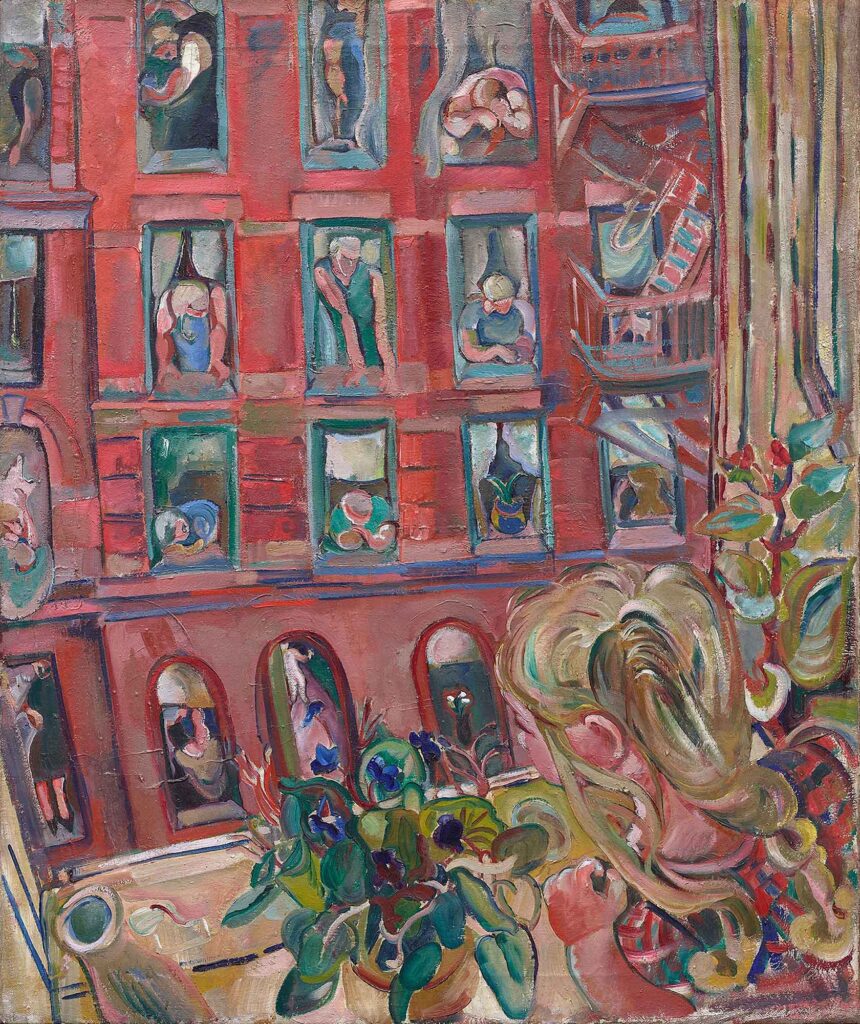
Pegi Nicol MacLeod, Young Girl at the Window, c.1941
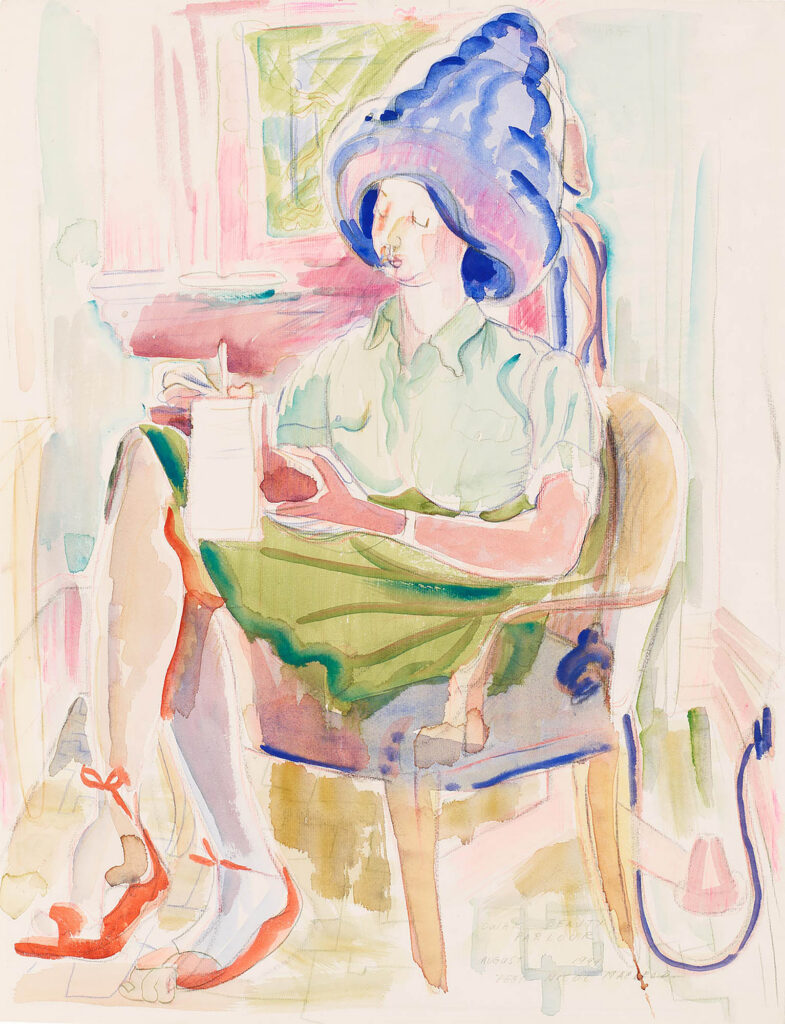
Pegi Nicol MacLeod, CWAC Beauty Parlour #1, 1944

Pegi Nicol MacLeod, Jump Rope, c.1945
Pegi Nicol MacLeod, When Johnnie Comes Marching Home, c.1946