Women Cleaning Fish, c.1927
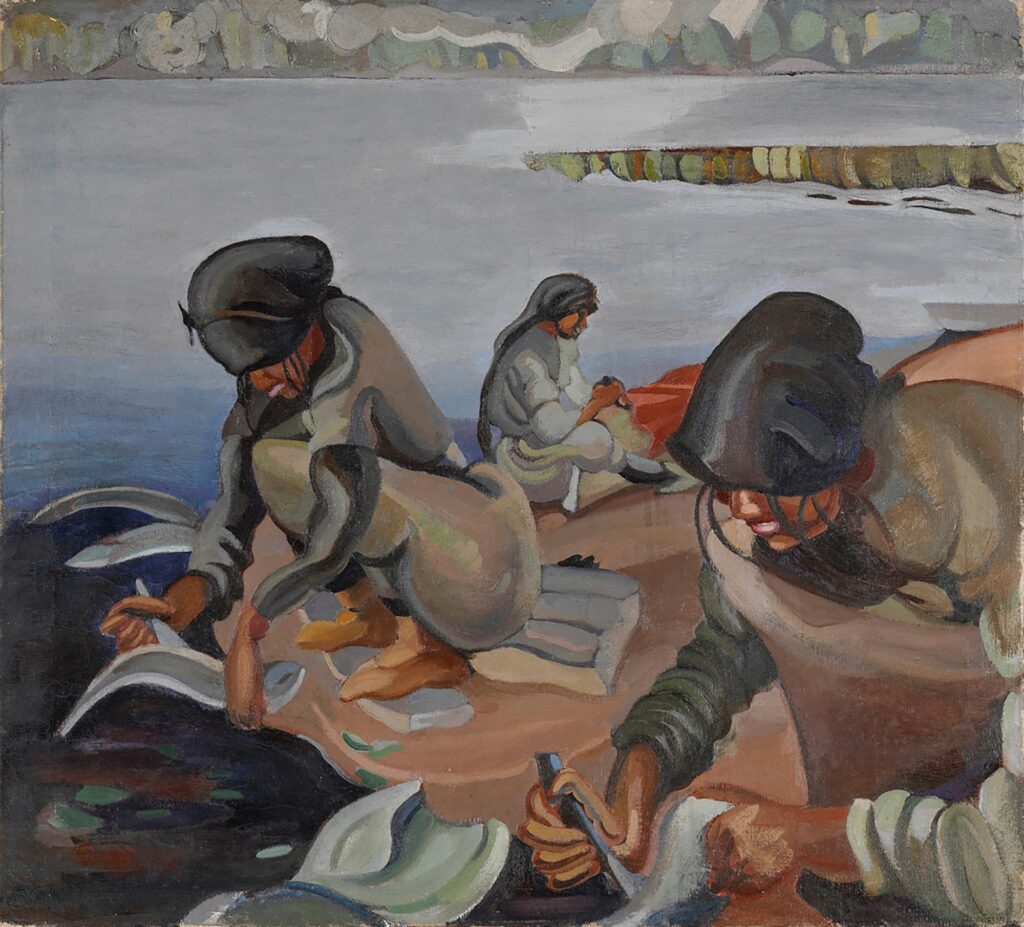
Pegi Nicol MacLeod, Women Cleaning Fish, c.1927, oil on canvas, 72 x 79.5 cm, National Gallery of Canada, Ottawa.
In 1928, Pegi Nicol MacLeod ventured to British Columbia with the help of ethnologist Marius Barbeau; a year earlier, he had also sent artists Anne Savage (1896–1971) and Florence Wyle (1881–1968) to the region. It was perhaps during this trip along the Skeena River that MacLeod painted Women Cleaning Fish. Although the work is currently dated c.1927, the precise year of its creation remains uncertain because of the incomplete documentation of MacLeod’s western travels.
In a striking departure from the work of her peers, who often favoured scenes of Indigenous villages from distant vantage points, this composition is tightly framed and focused on the three women in the foreground, who are absorbed in the labour-intensive task of cleaning and filleting fish on the river’s edge. Aesthetically, the painting showcases the distortions of scale and proportion that would become hallmarks of MacLeod’s mature style.
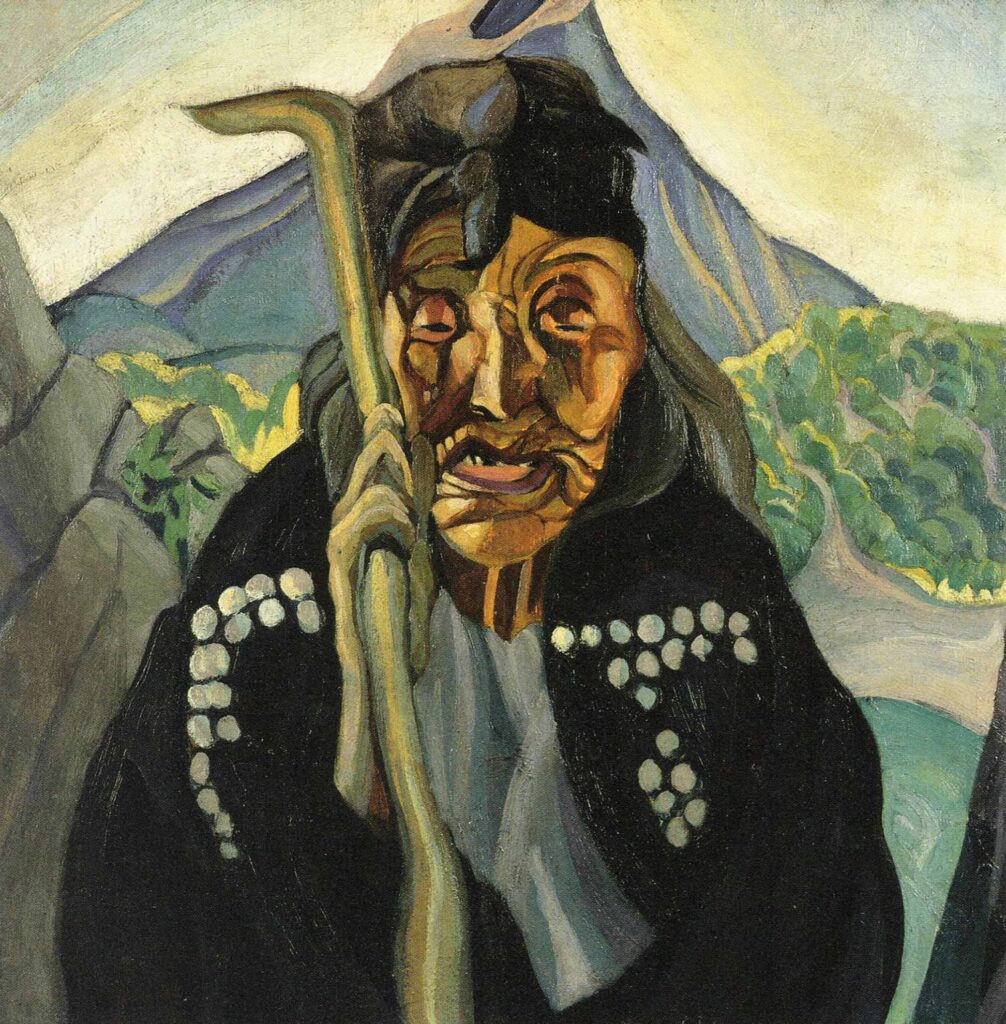
Pegi Nicol MacLeod, Bianinetnan, Aged Indian Woman of Hagwelget Canyon, c.1928, oil on board, 61 x 61 cm, private collection, Calgary.
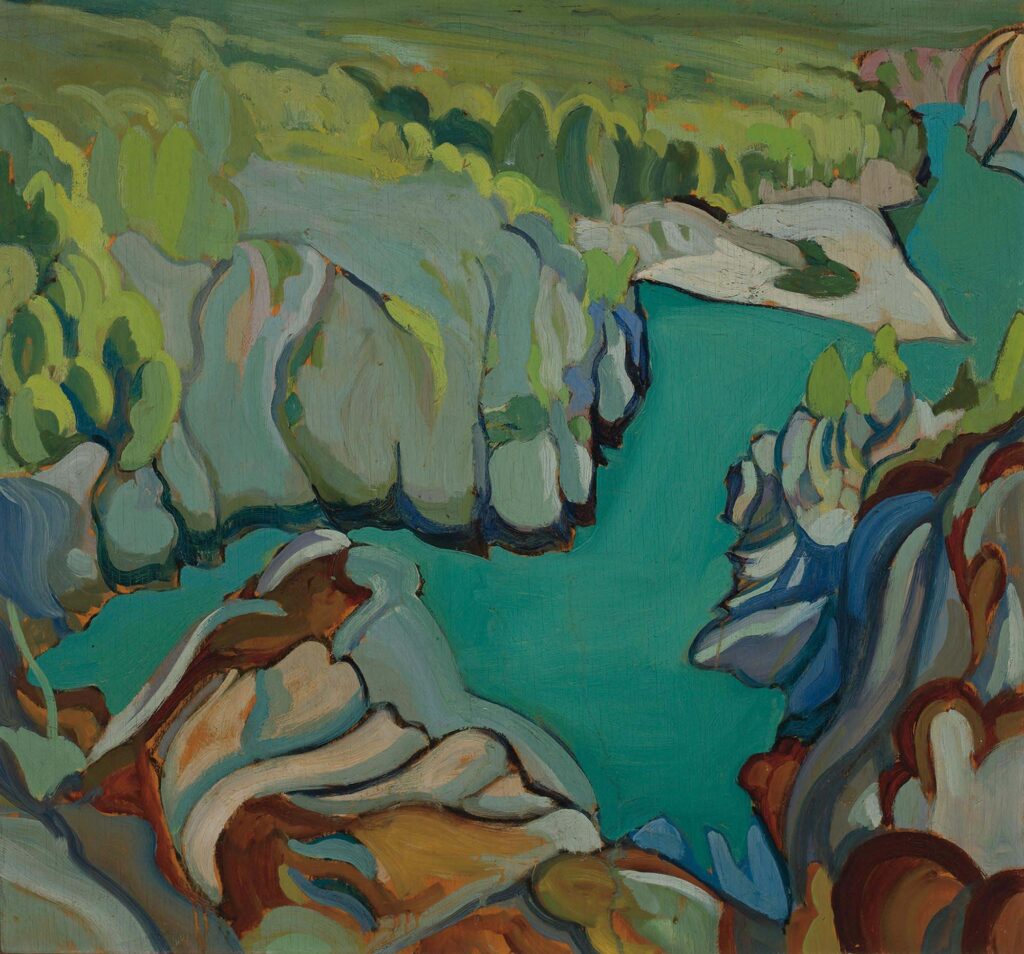
Pegi Nicol MacLeod, Skeena Landscape, c.1928, oil on board, 53.7 x 56.5 cm, private collection.
While many of her contemporaries, such as Emily Carr (1871–1945) and Anne Savage, painted “village genre” scenes that emphasized architecture and artifacts over people, MacLeod’s approach presented the Indigenous women as active participants in their contemporary world rather than relics of a vanishing past. Although her paintings from this period reflect her deep engagement with her subjects, they also embody the tensions inherent in settler representations of Indigenous life. This is evident in Bianinetnan, Aged Indian Woman of Hagwelget Canyon, c.1928, in which the surrounding landscape reflects the subject’s features, drawing a visual parallel between the woman and the rugged ancient mountains. The deep lines in the woman’s face echo the contours of the landscape, emphasizing both her individuality and her connection to her environment. The composition also reinforces another common trope in settler art: the idea of Indigenous Peoples as inextricably tied to the land, their identities shaped by and mirroring the natural world.
Bianinetnan suggests an intimate connection between figure and setting. Instead of establishing a lived relationship between the sitter and her surroundings, the landscape serves as an emblematic backdrop that amplifies her symbolic presence. While MacLeod’s approach demonstrates technical proficiency and imaginative stylization, it also reflects the colonial narratives of the time, which often framed Indigenous Peoples as symbols of the past rather than members of evolving, contemporary societies.
Gallery
Pegi Nicol MacLeod, Women Cleaning Fish, c.1927

Pegi Nicol MacLeod, Self-Portrait, c.1928
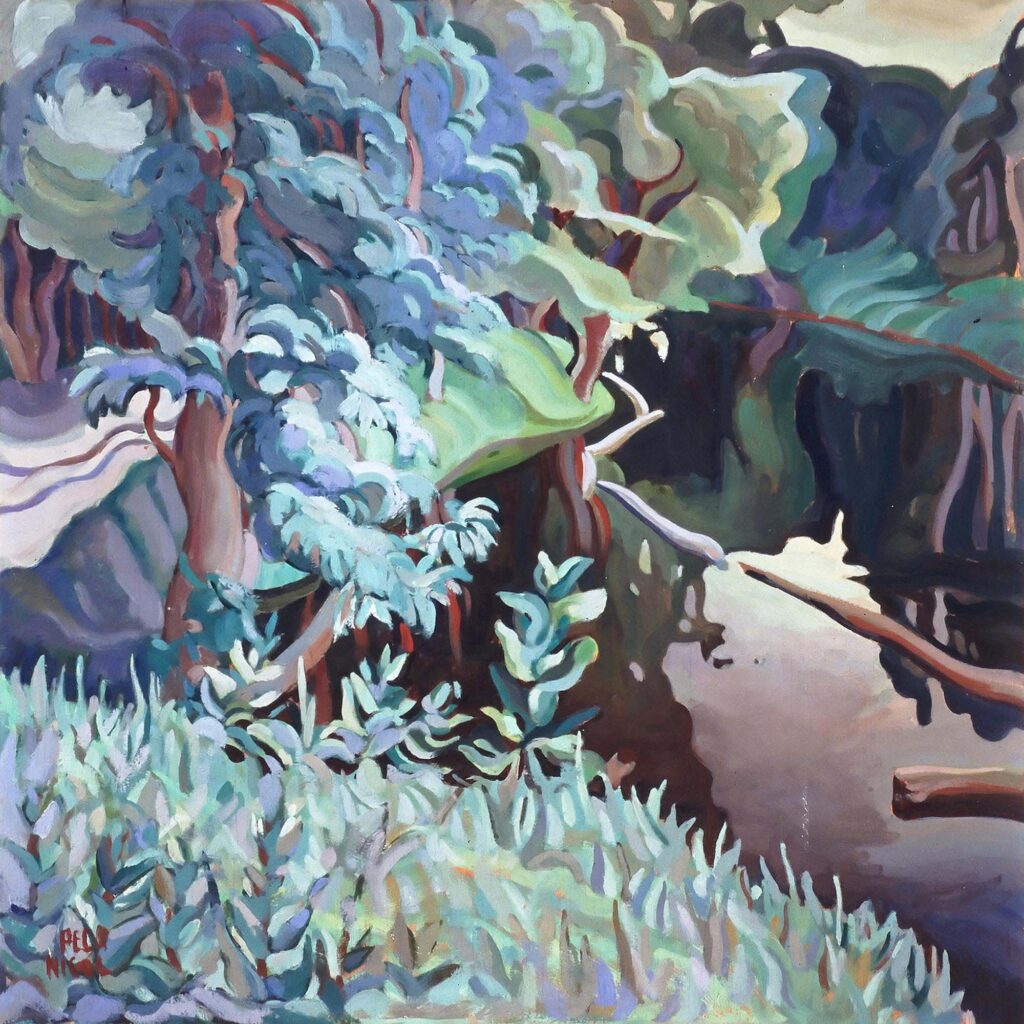
Pegi Nicol MacLeod, The Log Run, c.1930
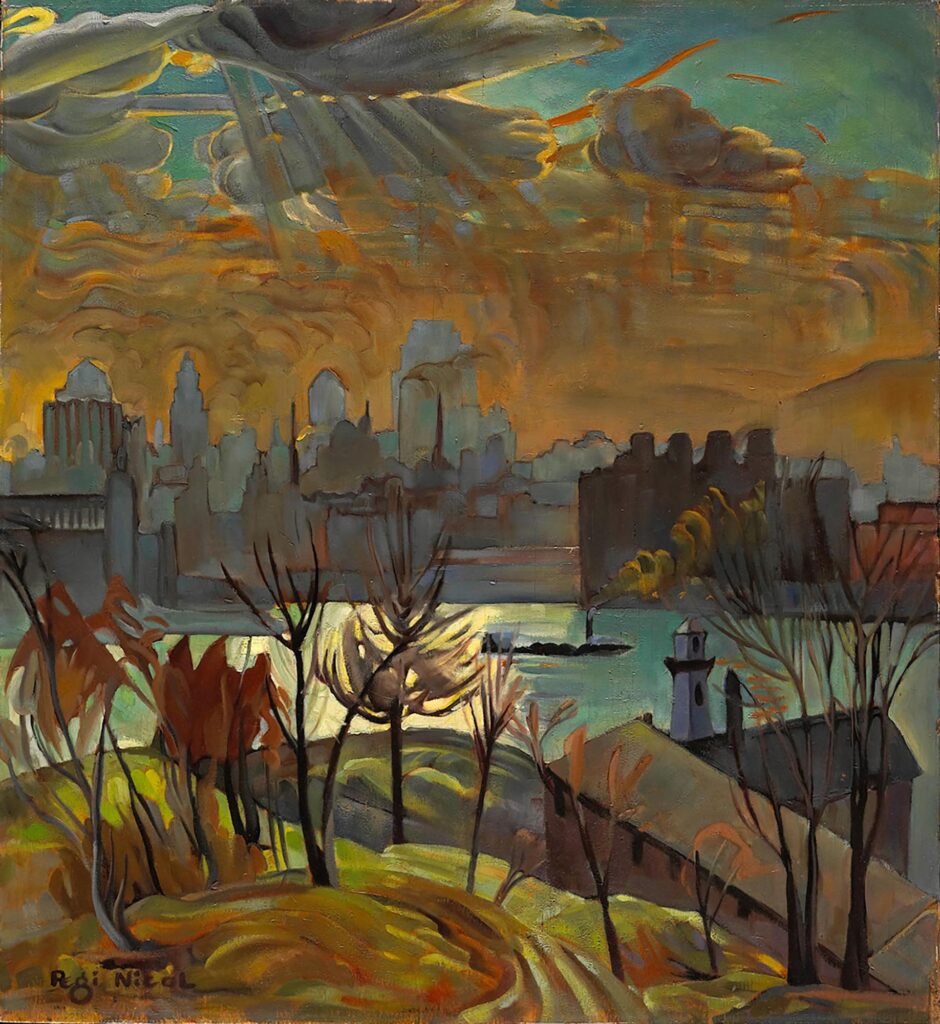
Pegi Nicol MacLeod, Montreal Harbour from St. Helen’s Island, 1933
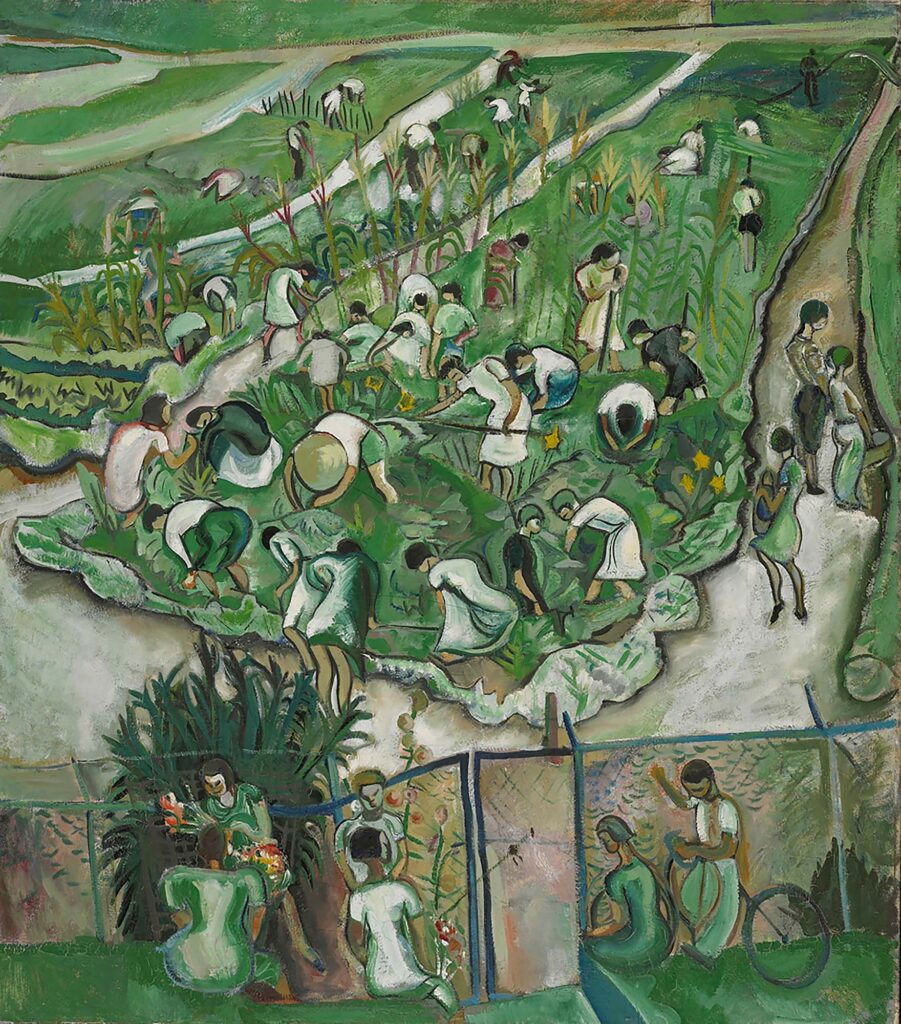
Pegi Nicol MacLeod, School in a Garden, c.1934
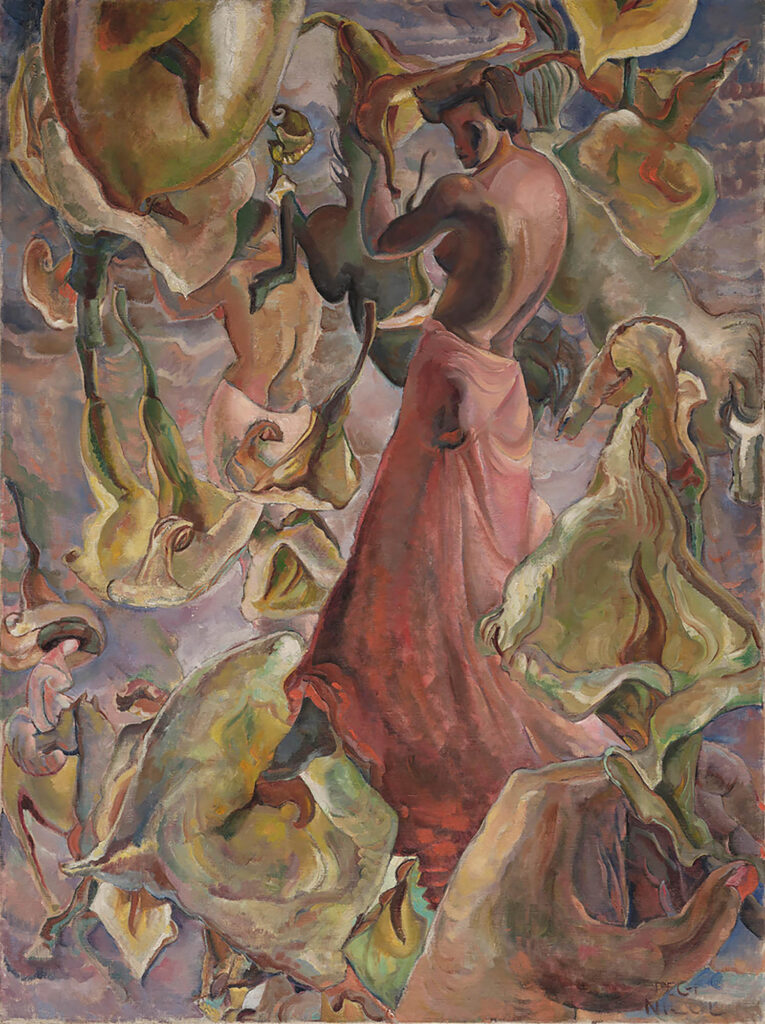
Pegi Nicol MacLeod, A Descent of Lilies, 1935
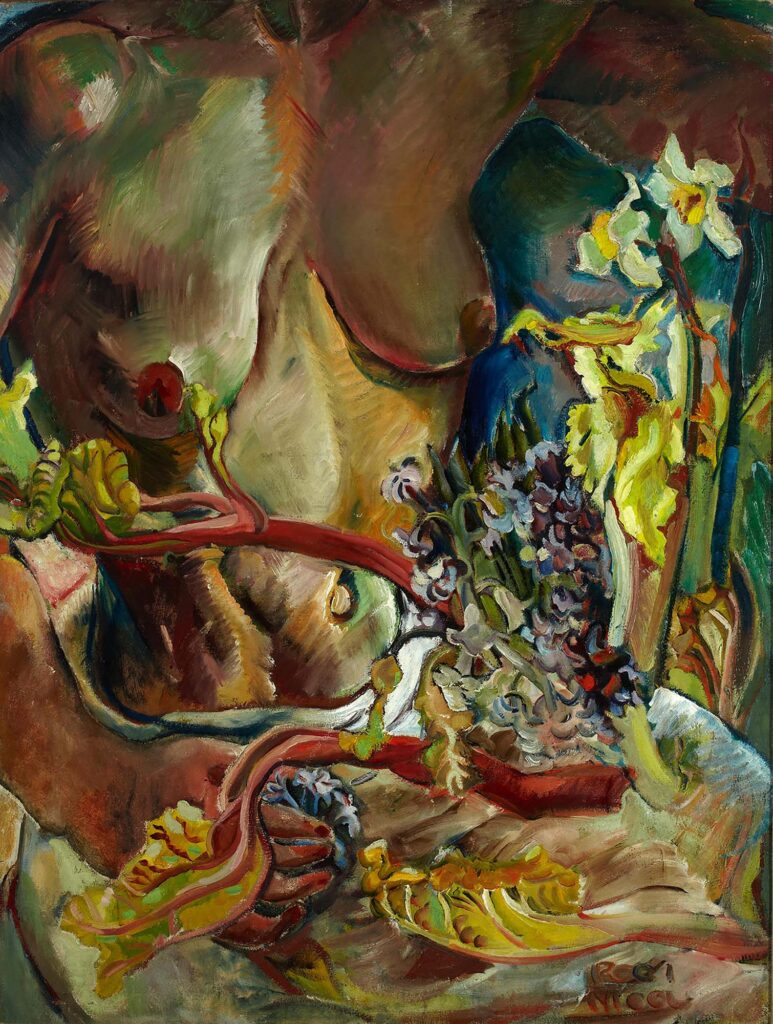
Pegi Nicol MacLeod, Torso and Plants, c.1935
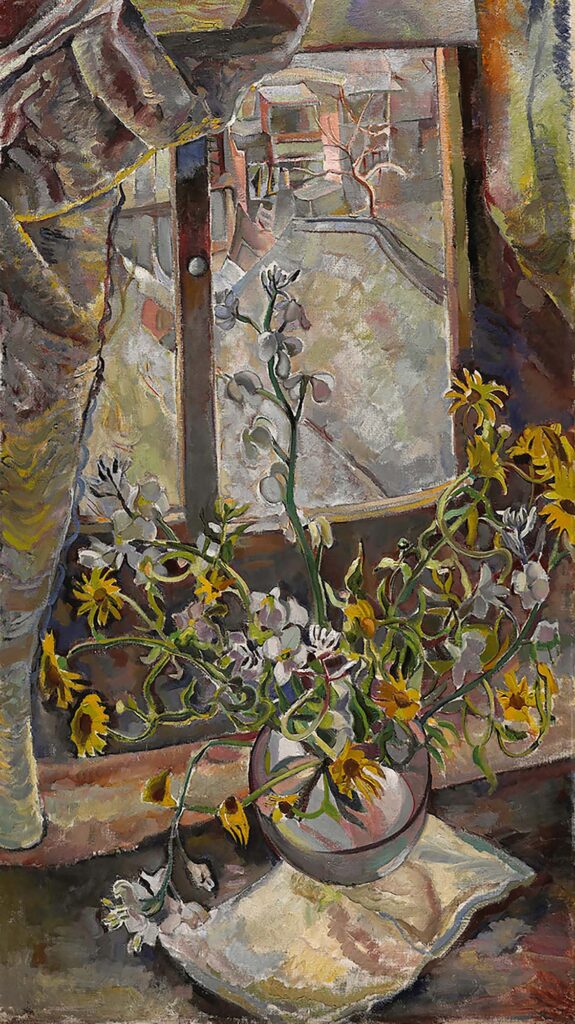
Pegi Nicol MacLeod, Cold Window, 1937
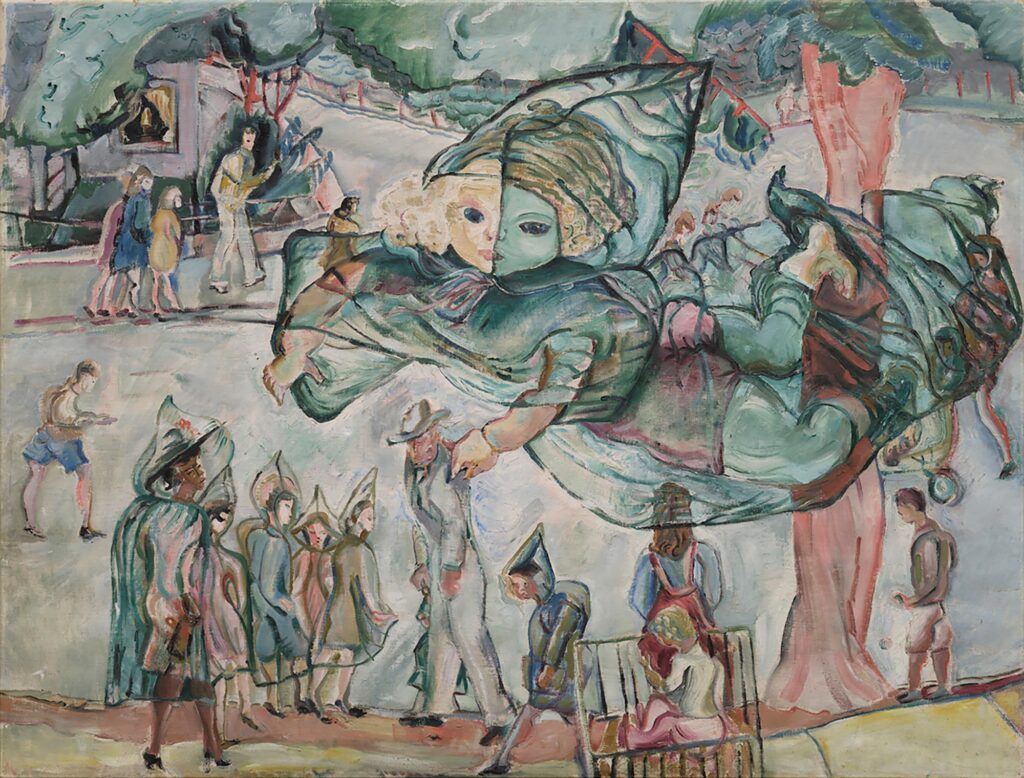
Pegi Nicol MacLeod, Children in Pliofilm, 1939
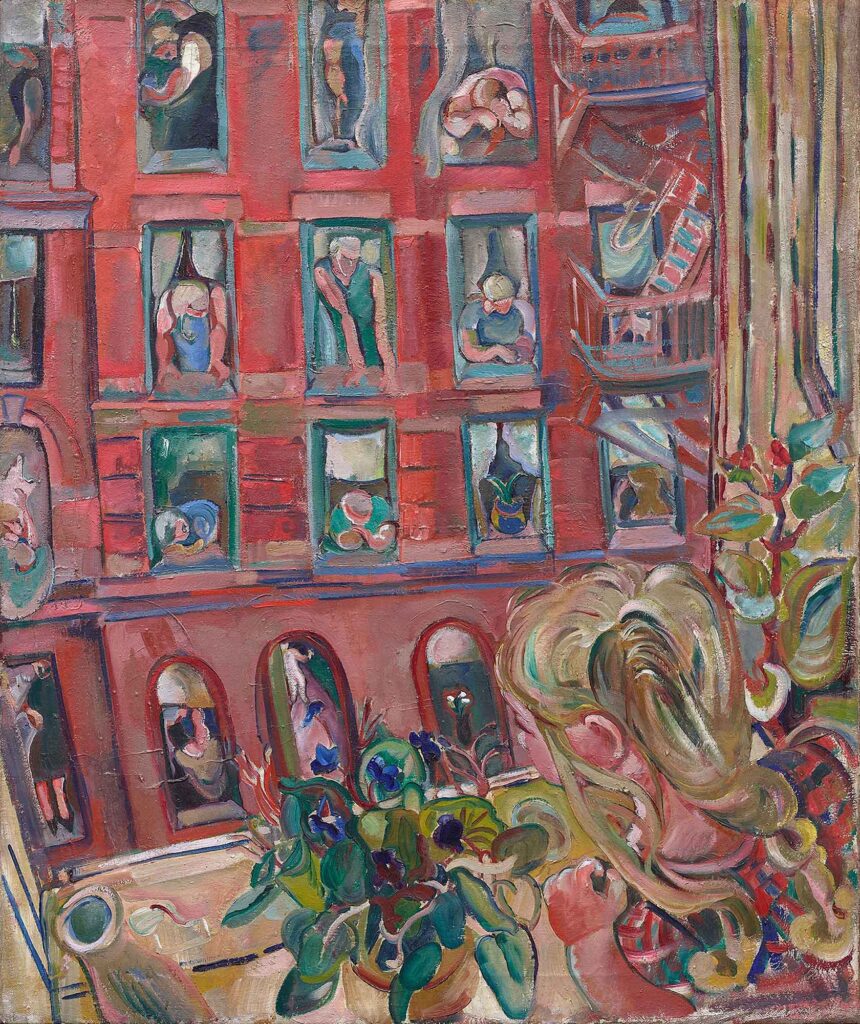
Pegi Nicol MacLeod, Young Girl at the Window, c.1941
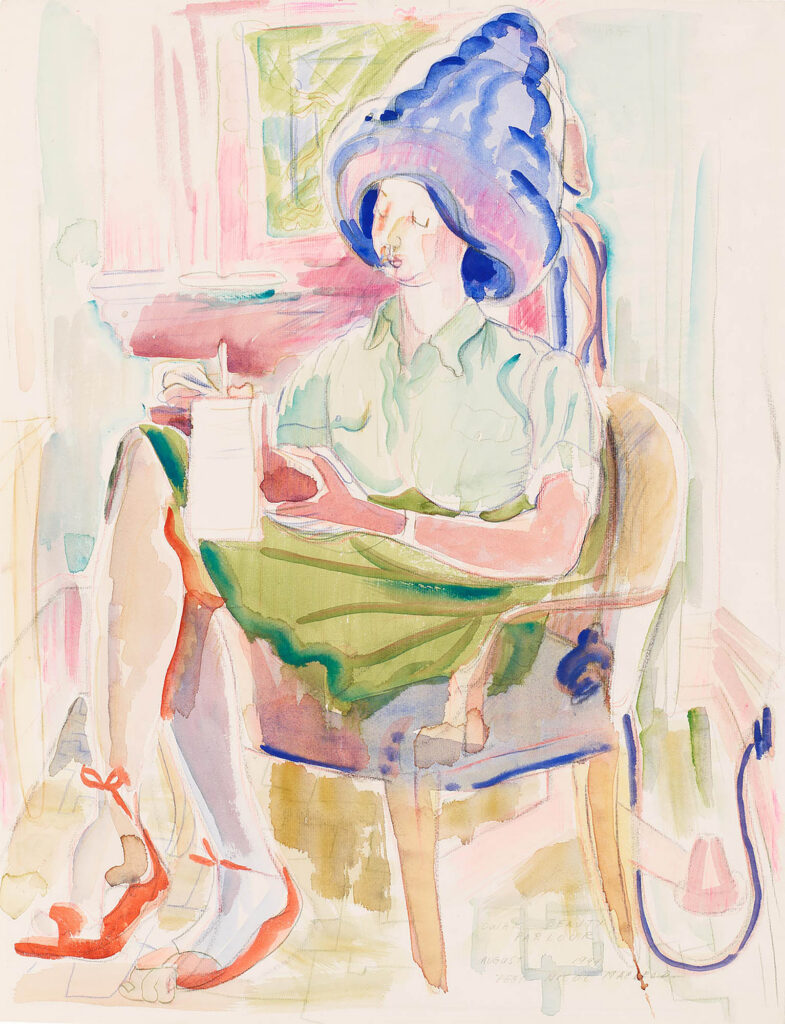
Pegi Nicol MacLeod, CWAC Beauty Parlour #1, 1944

Pegi Nicol MacLeod, Jump Rope, c.1945
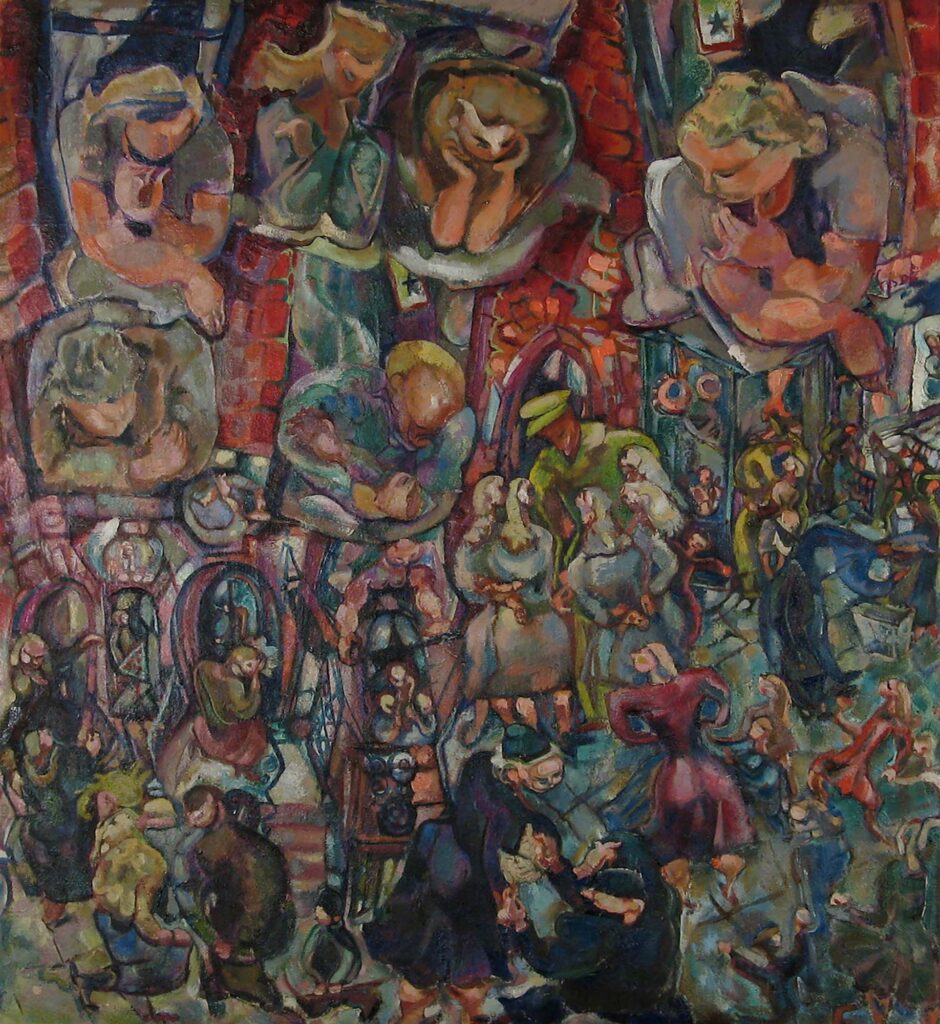
Pegi Nicol MacLeod, When Johnnie Comes Marching Home, c.1946