Jump Rope, c.1945

Pegi Nicol MacLeod, Jump Rope, c.1945, oil on canvas, 33 x 24 cm, private collection.
Jump Rope is part of MacLeod’s Manhattan Cycle, a body of more than one hundred paintings devoted to the crowded urban life and everyday street scenes of New York’s East 88th Street. Painted from MacLeod’s Upper East Side apartment, the work captures the energy of children at play within the dense architecture of 1940s Manhattan. The serpentine arc of the jump rope functions as a compositional device, drawing the viewer’s eye through the scene and organizing the figures into a collective body in motion, shaped by timing, chance, and the dizzying perspective characteristic of her East 88th Street works. Here, as elsewhere in the Manhattan Cycle, MacLeod applies the visual logic she developed in her paintings of parades, markets, and street crowds.
The composition is tightly compressed, with figures—including a baby in a pram at the top and a small dog to the left—filling nearly every inch of the picture plane; all are rendered in compact, simplified forms that overlap and act in concert, emphasizing collective movement rather than individualized detail. The rope weaves across the centre of the canvas as both literal object and visual element binding the figures. Curvilinear brush strokes, layered forms, and saturated reds, blues, greens, and ochres intensify the feeling of animation; the crowded composition presses the figures close together, reinforcing the sense of social intimacy and physical proximity.

Pegi Nicol MacLeod, Fugue, c.1945, oil on canvas, 55 x 41 cm, Musée d'art contemporain de Montréal.
Like many works in the Manhattan Cycle, Jump Rope pushes figuration towards abstraction and continues MacLeod’s fascination with the human drama of East 88th Street. She described her approach to figuration as one that relied not on full anatomical detail but on minimal visual gestures: the shape of a body, a trace of hair. Just enough to register as human. As she developed the series, MacLeod’s practice evolved into a sustained exploration of urban life. She sought to turn the goings-on of her street—its compressed architecture, daily rhythms, and endless people in motion—into a modern subject equal to her formal experimentation. By elevating a simple children’s game into a densely orchestrated modernist composition, MacLeod affirmed her belief that modern urban life could be as significant a subject as landscape or portraiture.
By 1946, MacLeod was assembling Jump Rope and related works for her touring exhibition Manhattan Cycle, which was first presented at Eaton’s in Toronto before travelling across Canada. Some critics found her style challenging. Augustus Bridle, for instance, remarked that when Toronto becomes a “megalopolis” a fraction of the size of Manhattan, “as shown in Pegi Nicol’s screamario at Eaton’s Fine Arts,” these pictures by “the Emily Carr of the big town” would be either vastly more valuable or “in the junk heaps of civilization.” Others, however, praised the series as “a penetrating record of block life in New York... [and] a fascinating study of people and their mode of life—the incongruity of the old ways in the midst of modernity.” Together, these responses underscore how MacLeod’s Manhattan Cycle challenged prevailing expectations of Canadian modernism.
Gallery
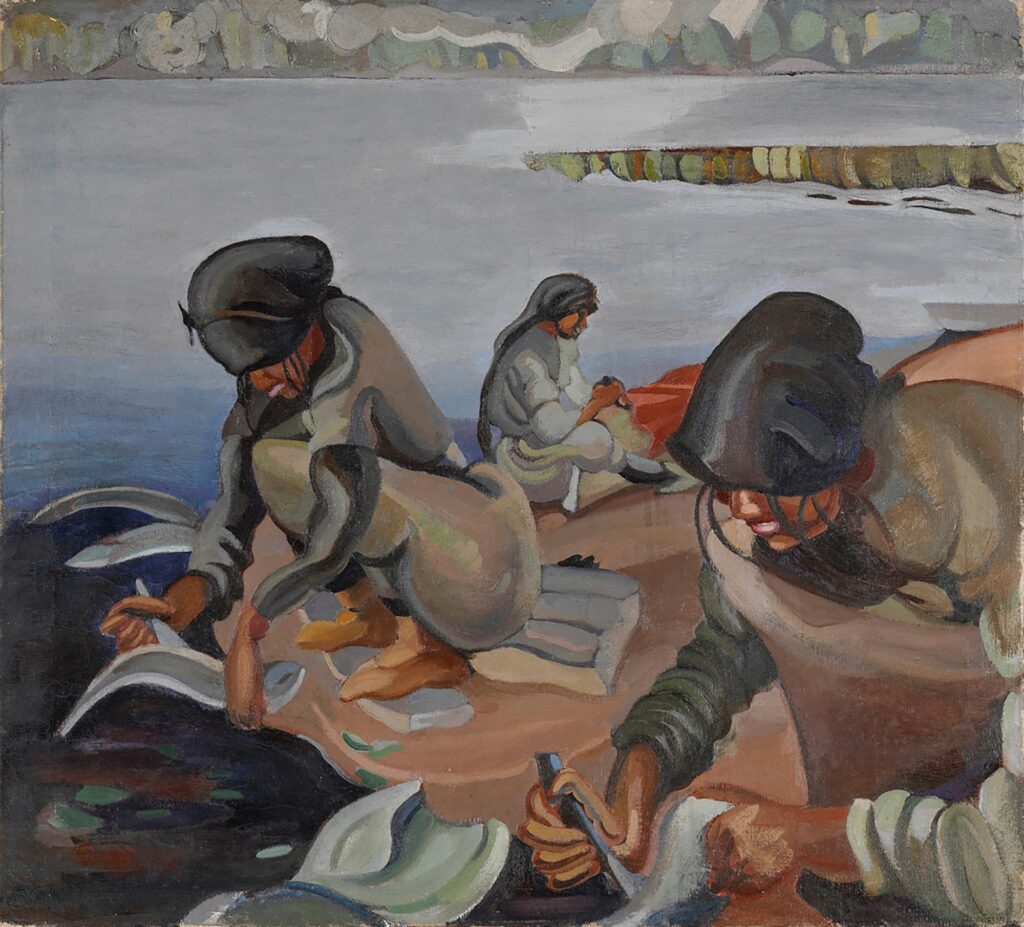
Pegi Nicol MacLeod, Women Cleaning Fish, c.1927

Pegi Nicol MacLeod, Self-Portrait, c.1928
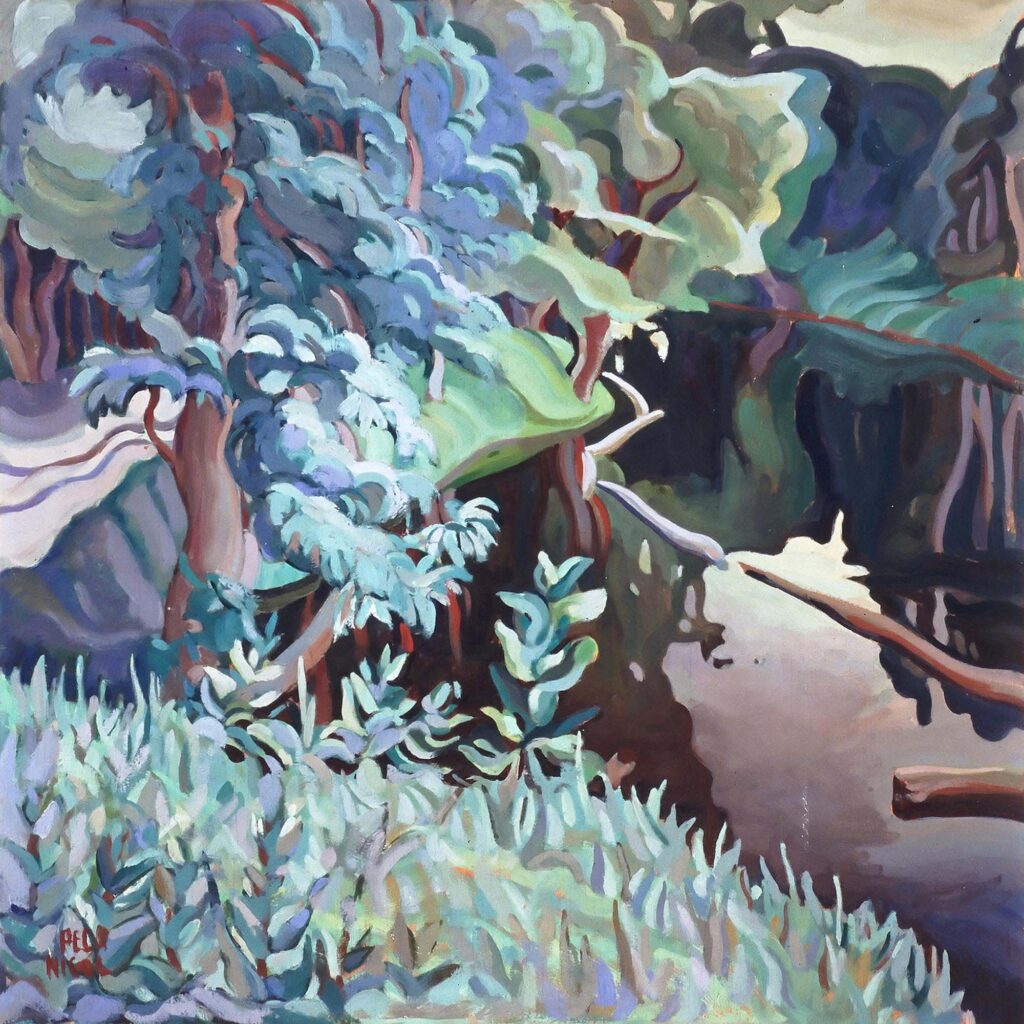
Pegi Nicol MacLeod, The Log Run, c.1930
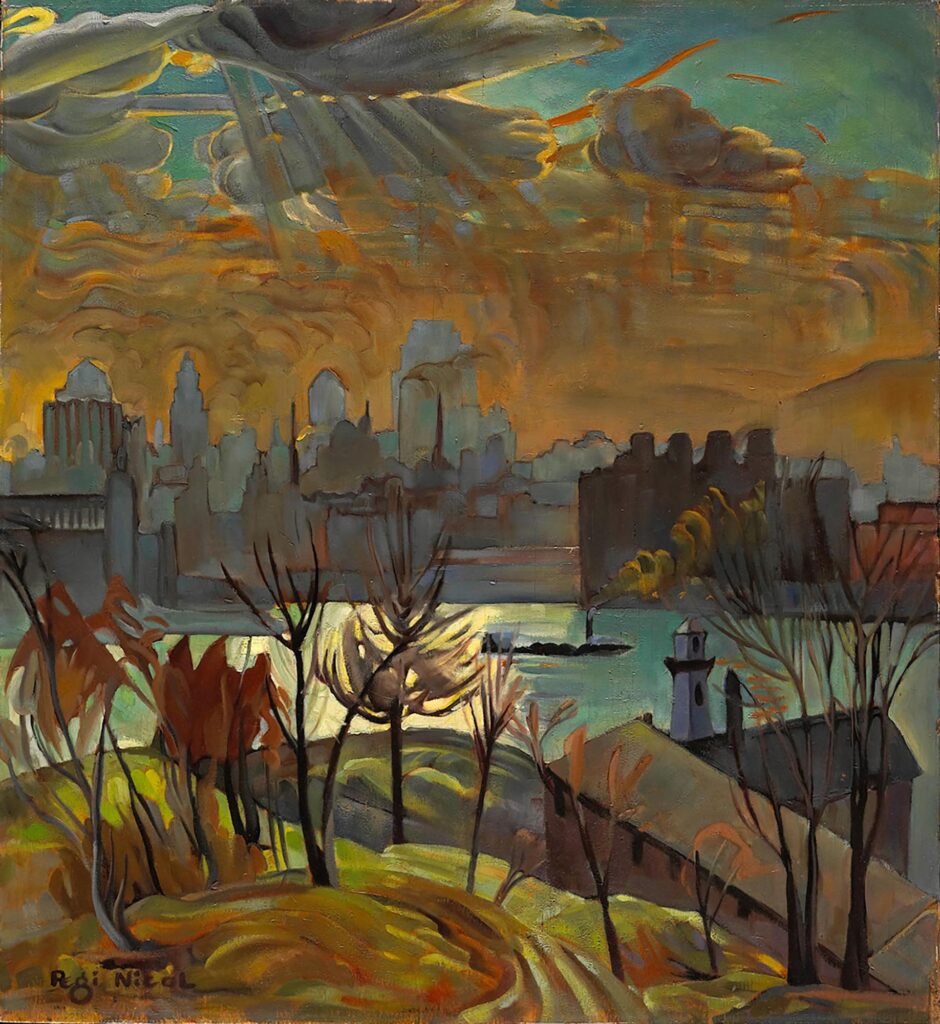
Pegi Nicol MacLeod, Montreal Harbour from St. Helen’s Island, 1933
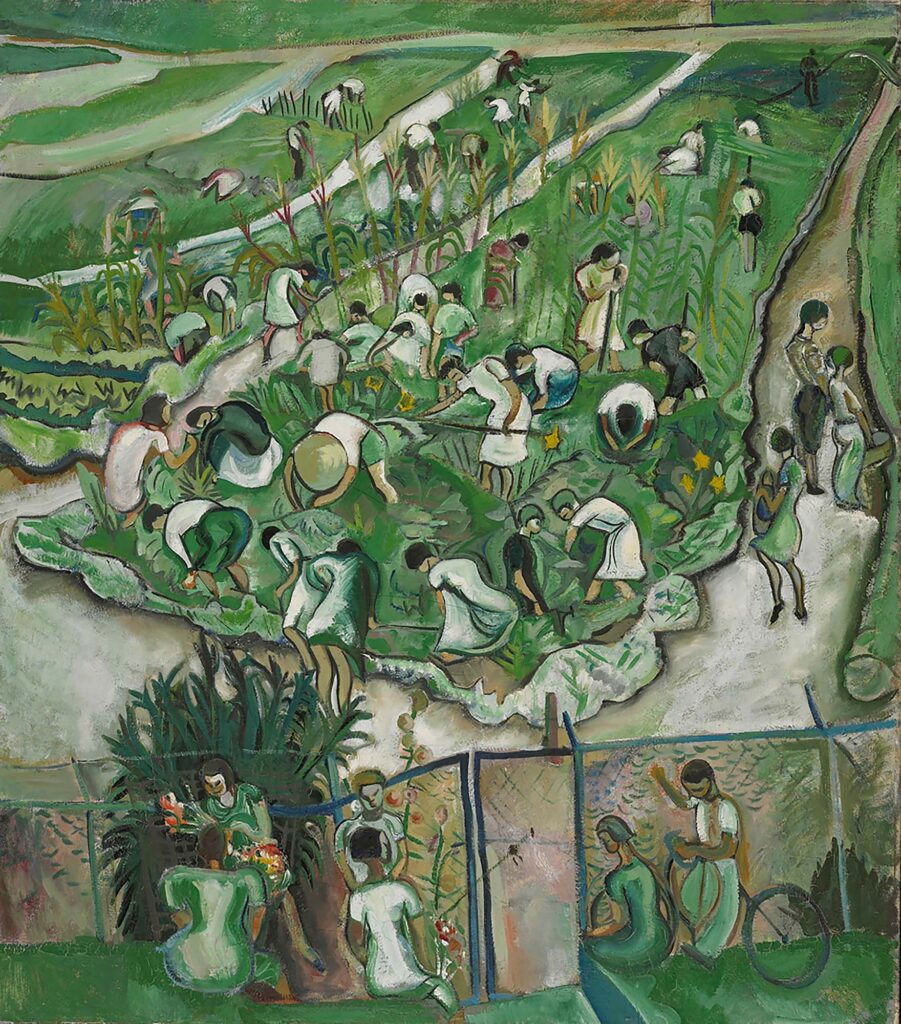
Pegi Nicol MacLeod, School in a Garden, c.1934
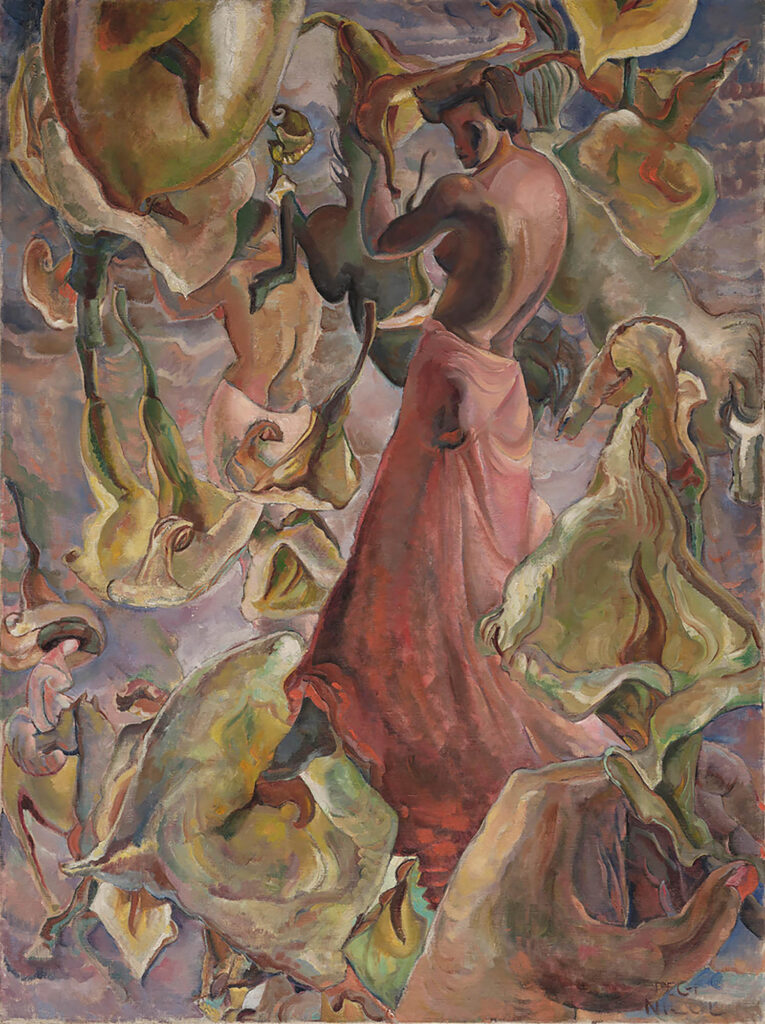
Pegi Nicol MacLeod, A Descent of Lilies, 1935
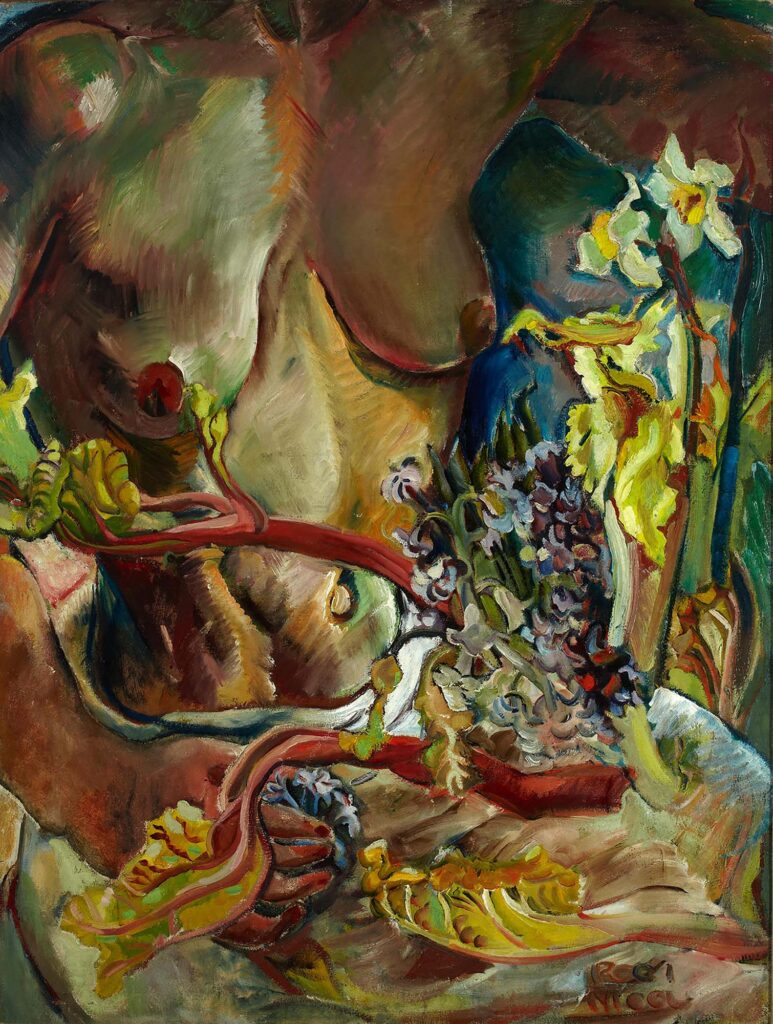
Pegi Nicol MacLeod, Torso and Plants, c.1935
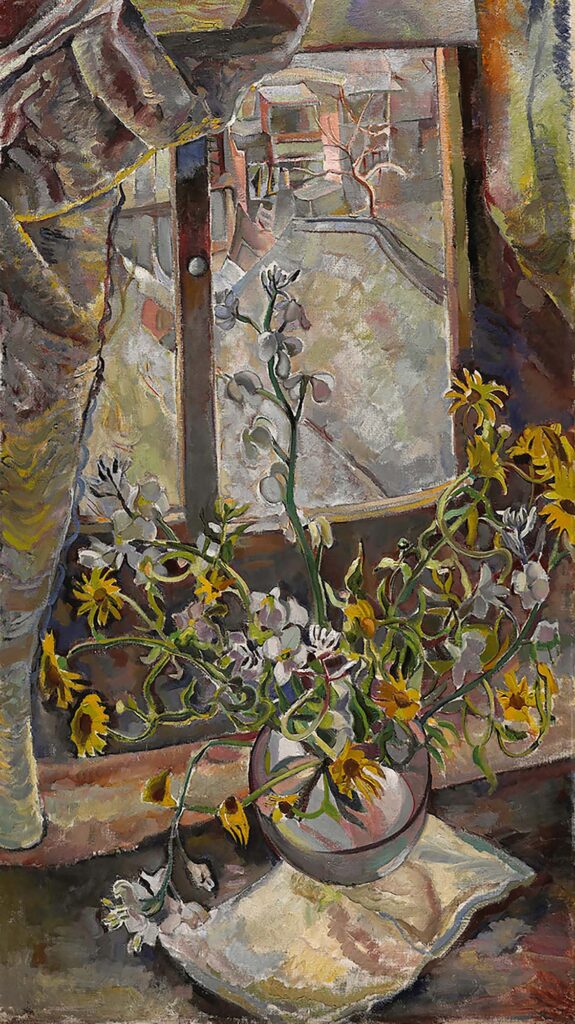
Pegi Nicol MacLeod, Cold Window, 1937
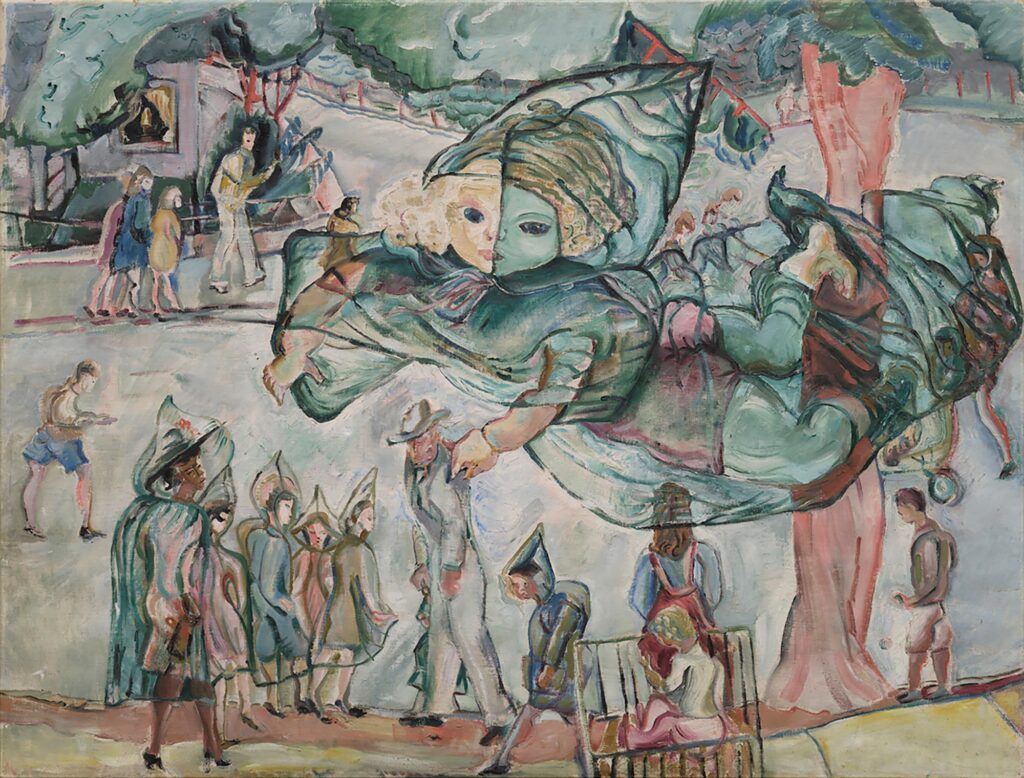
Pegi Nicol MacLeod, Children in Pliofilm, 1939
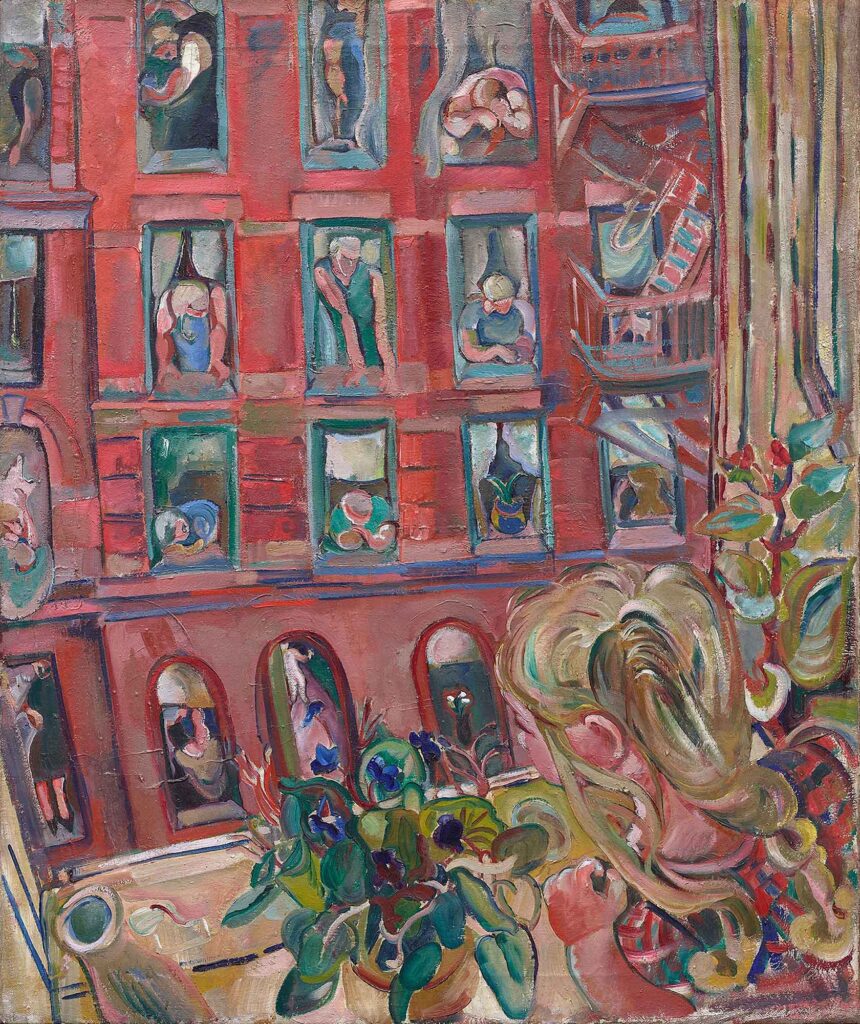
Pegi Nicol MacLeod, Young Girl at the Window, c.1941
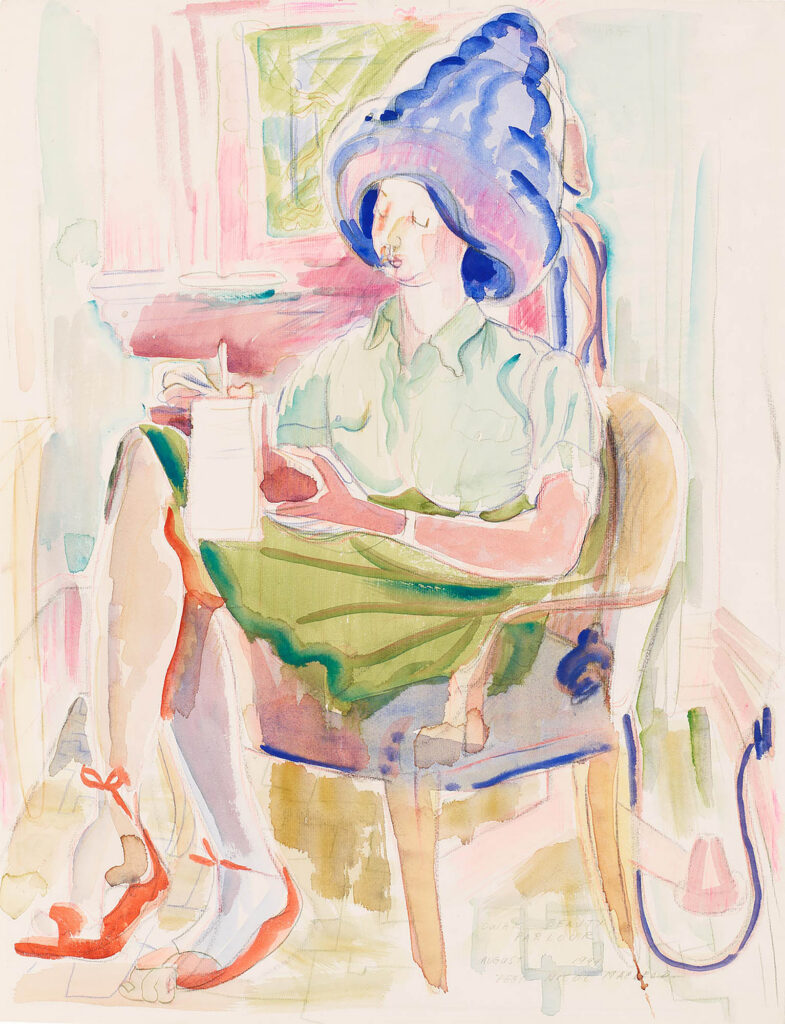
Pegi Nicol MacLeod, CWAC Beauty Parlour #1, 1944
Pegi Nicol MacLeod, Jump Rope, c.1945
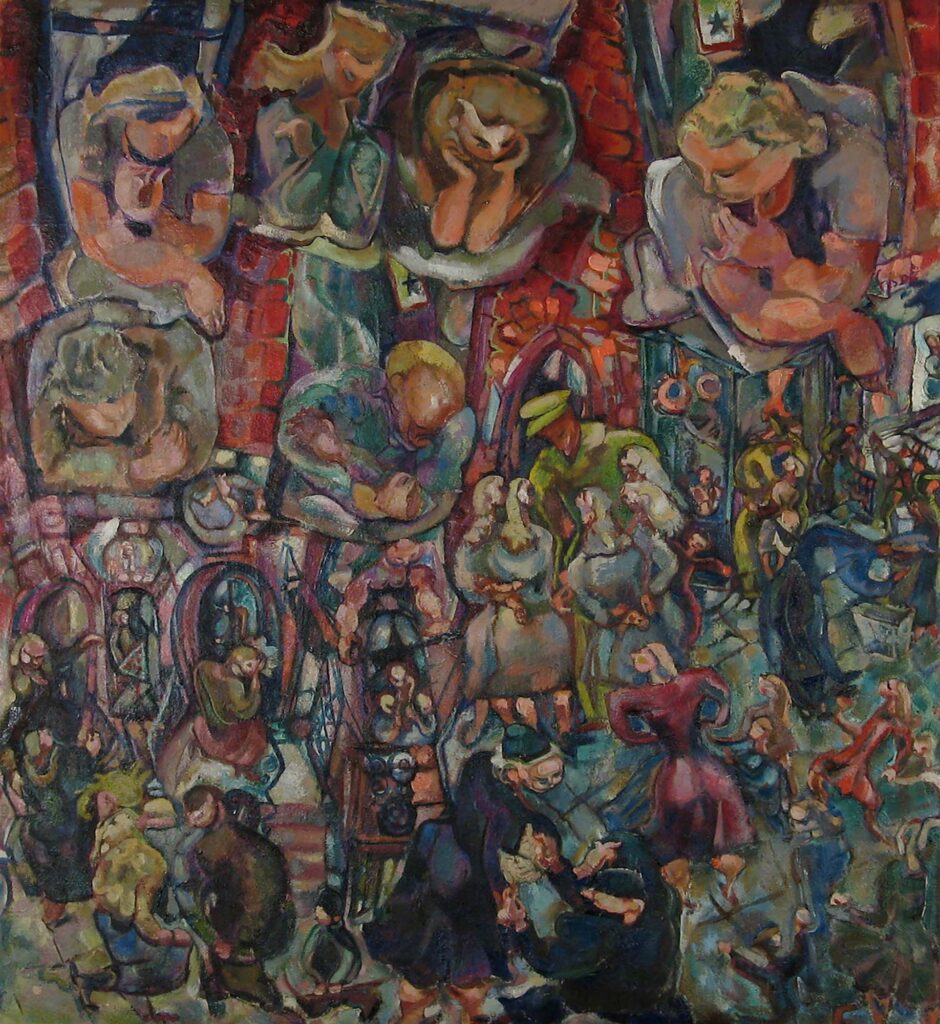
Pegi Nicol MacLeod, When Johnnie Comes Marching Home, c.1946