Luke Parnell, Neon Reconciliation Explosion, 2020

Luke Parnell, Neon Reconciliation Explosion, 2020, acrylic on birch plywood, pine, presswood, 213.4 x 365.7 cm, private collection.
Neon Reconciliation Explosion by Haida and Nisga’a artist Luke Parnell (b.1971) is a large installation that creates a housefront structure rooted in Northwest Coast formline design. Painted in acrylic on birch plywood, pine, and presswood, fifty-five contributors transformed it into a neon-painted butterfly where each panel embodies a personal interpretation of reconciliation.
The collective neon panels suggest a hopeful dream of unity and healing, but Parnell disrupts this narrative. At the bottom centre stands a raw, hollow doorway, carved with the initials “TF” and “CB,” a solemn tribute to Tina Fontaine and Colten Boushie, both Indigenous youth whose tragic deaths and the resulting acquittals of those accused sparked nationwide calls for justice. This unadorned panel refuses the comfort of reconciliation; instead, it forces viewers to face the enduring wounds of systemic violence.
Through its structure and symbolism, Neon Reconciliation Explosion rejects the notion
that reconciliation is a tidy, resolved endpoint. The neon formline butterfly typically evokes transformation, suggesting rebirth or metamorphosis. Yet, Parnell frames transformation as a process: necessary, unfinished, and often painful. By contrasting communal optimism with personal heartbreak, Parnell characterizes reconciliation as the relationship between accountability and truth—one that cannot gloss over trauma.
This artwork functions as visual truth telling rooted in Indigenous knowledge systems, where formline imagery becomes urgent language. The layering of neon colour atop traditional shapes asserts the continuity of tradition, while the unsmoothed doorway reminds us of historical and contemporary ruptures in justice. It questions whether institutional or performative gestures of reconciliation suffice, challenging the viewer to look beyond surface-level gestures and confront uncomfortable realities.
Ultimately, Neon Reconciliation Explosion actualizes a critical intervention in public discourse: reconciliation is not a comfort to be offered lightly but a commitment requiring confrontation, memorialization, and persistent resistance. Parnell’s central absence speaks volumes—a void carved into the collective facade that insists true repair must begin with witness, remorse, and action.
Collection of A New Generation of Witness

Sonny Assu, Leila’s Desk, 2013

Michael Barber, A Silent Sky, 2022

Christi Belcourt, Giniigaaniimenaaning (Looking Ahead), 2012

Rebecca Belmore, Apparition, 2013

Rain Cabana-Boucher, Laying Flowers, 2021–24

Quill Christie-Peters, Portrait of Ste. Margaret’s Residential School and All It Could Not Contain, 2018

Dana Claxton, Headdress – Shadae and her Girlz, 2023

Beau Dick, The Ghost Confined to the Chair, 2012
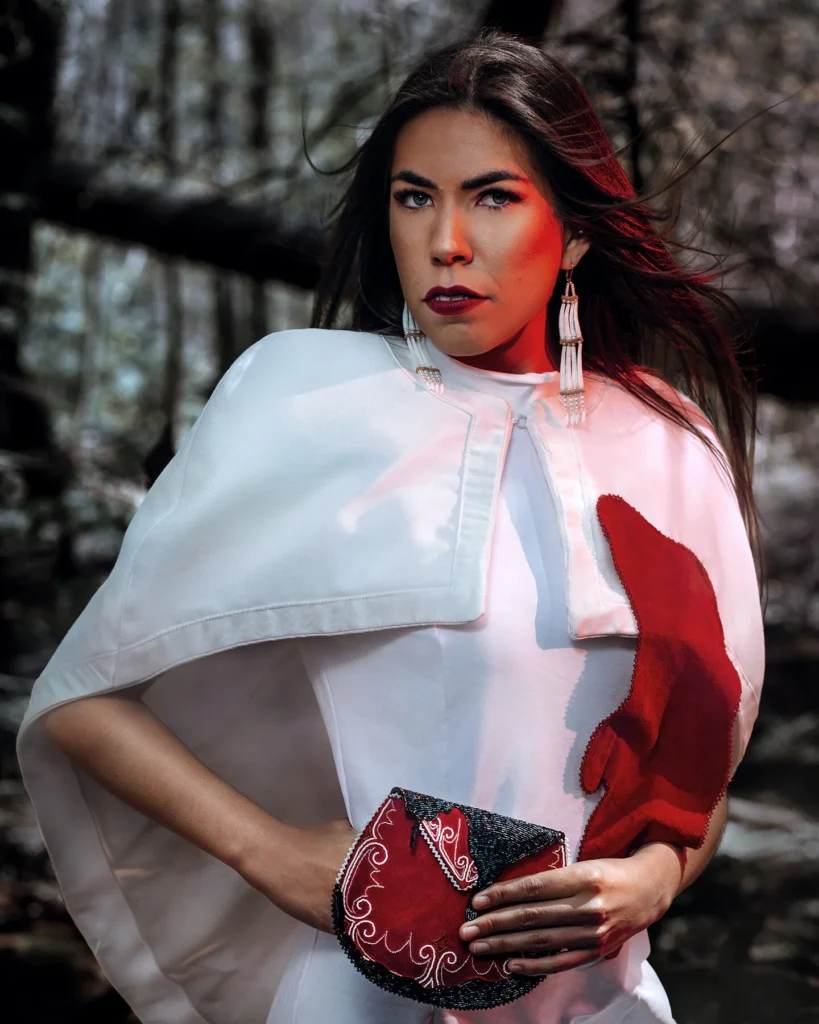
Oakley Rain Wysote Gray, Bleeding Heart Cape – M’st No’gmaq (All My Relations), 2021

7IDANsuu James Hart, Reconciliation Pole: Honouring a Time Before, During and After Canada’s Indian Residential Schools, 2015–17

Emma Hassencahl-Perley, White Flag, 2015

Brent Henry, English Only!, 2021

Shawn Hunt, Flipping the Bird, 2014

Lisa Jackson, Savage, 2009
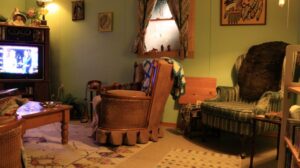
Ursula Johnson, ITHA: The Livingroom, 2021

Siassie Kenneally, All the Things That I Have Seen, 2016

Jake Kimble, It’s All So Incredibly Loud, 2025

Duane Linklater, i want to forget the english language, ulterior, 2020/23

Jim Logan, National Pastimes, 1991

Luke Marston, Bentwood Box, 2009

Kevin McKenzie, Being Indigenous, 2024

Meryl McMaster, Truth to Power, 2017

Kent Monkman, The Scream, 2017

Caroline Monnet, The Black Case, 2014

Tim Moore, Erasure Is Futile, 2021

Peter Morin, This is what happens when you perform the memory of the land (parts 1 and 2), 2013
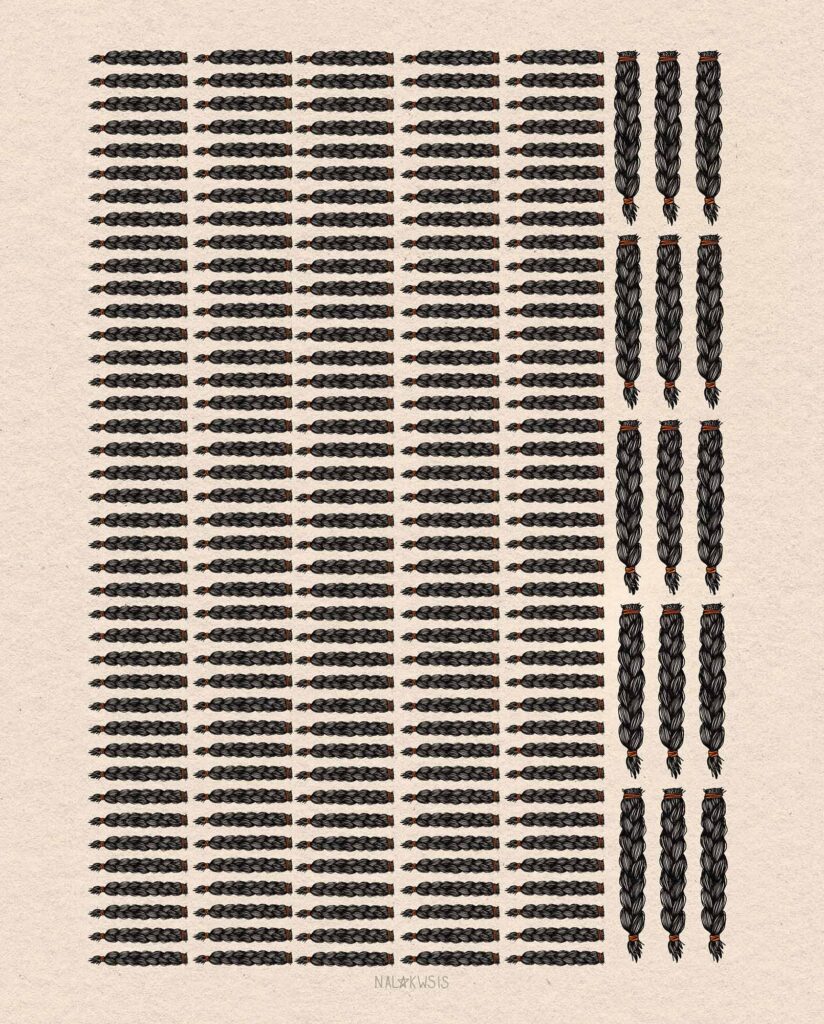
Saige “Nalakwsis” Mukash, 215 Braids, 2021

Nadia Myre, Indian Act, 2000–2002

Carey Newman, Witness Blanket, 2013–14

Davidee Ningeok, Sr., Residential School Nightmare, 2015

Shelley Niro, The Shirt, 2003
Luke Parnell, Neon Reconciliation Explosion, 2020

Dionne Paul, Her First Day of School, 2013
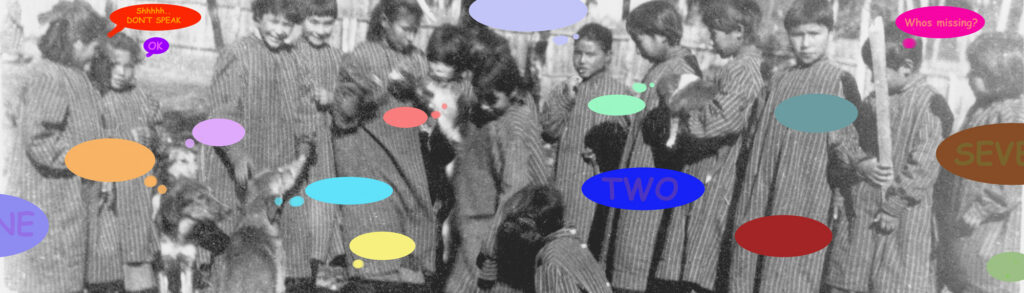
Edward Poitras, Don’t Speak, 2015

Barry Pottle, Yale Dormitory (Residential School), North West River, Labrador, 2015

Teharihulen Michel Savard, Reciprocity (Réciprocité), 2009

Jason Sikoak, Sacrilege, 2015

Greg Staats, Do’-gah – I don’t know [shrugging shoulders], 2020, archival pigment print on canvas on pine stretcher, oil, earth, Indian tobacco ash (edition 2 of 3), 142 x 175.3 x 2.5 cm, Agnes Etherington Art Centre, Kingston.

Alan Syliboy, Grandmother 1, 1997

Jeff Thomas, Broken Treaties, 1613–, 2020
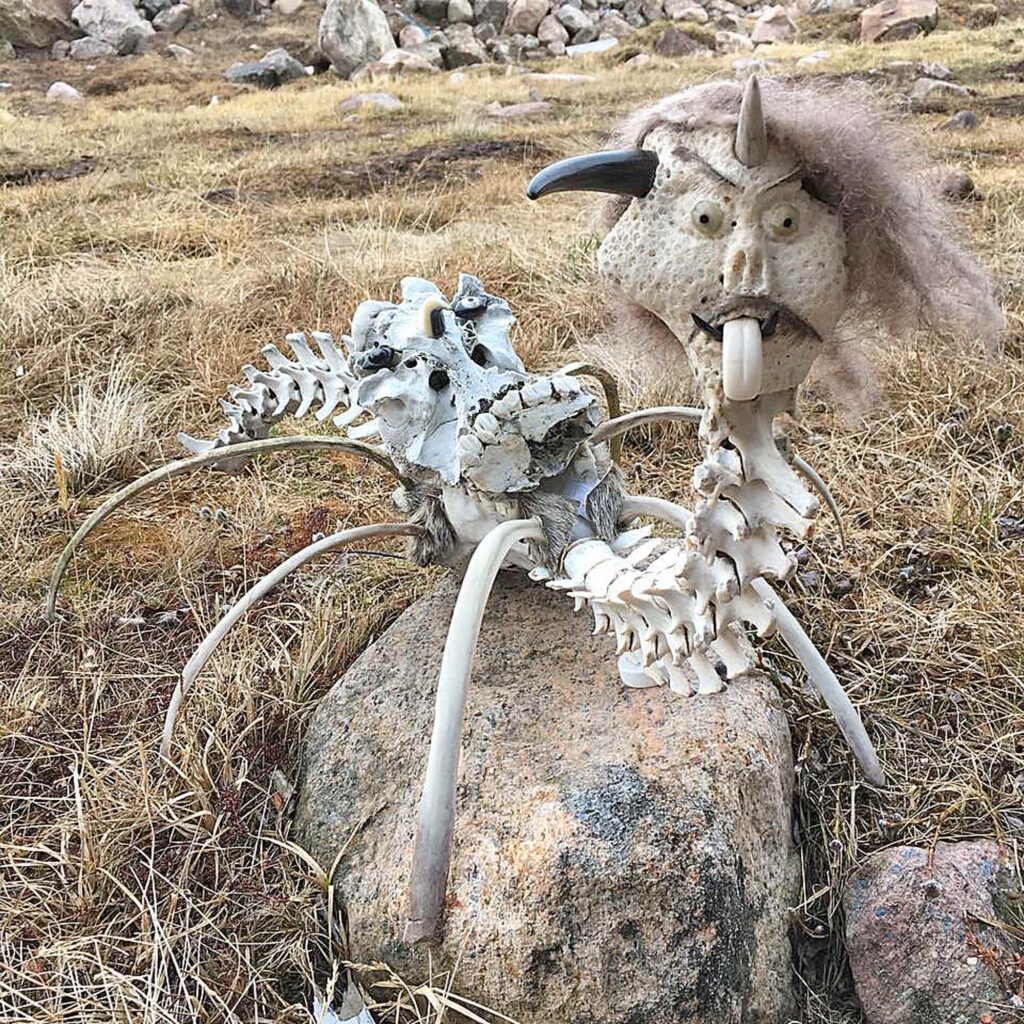
Jesse Tungilik, The Spirit of Intergenerational Trauma, 2019

Tania Willard, Be a Good Girl, 2017