Christi Belcourt, Giniigaaniimenaaning (Looking Ahead), 2012

Christi Belcourt, Giniigaaniimenaaning (Looking Ahead), 2012, glass, metal, lead, iron, 125 x 339.8 cm, Centre Block, Parliament Hill, Ottawa.
In her stained-glass window Giniigaaniimenaaning (Looking Ahead), Métis artist Christi Belcourt (b.1966) presents an historic and symbolic narrative. The lower left panel evokes an Indigenous pre-colonial world: lodge, ceremonies, language, medicine knowledge. These images are not romantic nostalgia but an assertion of what was forcibly disrupted. The central panels plunge viewers into the residential school era: children removed, silenced, suffering. The shattered-glass motif here is especially potent. It fractures the material as well as silence, family, and the psychic lives of Survivors. It corresponds to what historians and Survivors attest: that the system was violent and also designed to erase language, culture, identity.

Christi Belcourt, Giniigaaniimenaaning
(Looking Ahead), 2012, glass, metal, lead, iron, 125 cm x 339.8 cm, Centre Block, Parliament Hill, Ottawa.

Christi Belcourt, Giniigaaniimenaaning
(Looking Ahead) (top panel), 2012, glass, metal, lead, iron, 125 cm x 339.8 cm, Centre Block, Parliament Hill, Ottawa.
Yet, the upper sections and the right panel trace a movement toward resurgence: the 2008 apology to former residential school students from the Government of Canada, reconciliation, dance, ceremony, motherhood, the return of song and language, and the embrace of future generations. Belcourt closes the narrative with transformation and responsibility rather than despair. The embedded words
“I love you” in multiple Indigenous languages counter the enforced silence of the schools and restore voices long silenced. The ritual symbols—jingle dress, drum, medicine, sun and moon—place Indigenous ways of knowing at the centre instead of at the margins. The form Belcourt has chosen, stained glass, traditionally a medium of the sacred and of confession, combines spiritual resonance and institutional presence, a fitting register for such a memorial work.
Giniigaaniimenaaning functions as reclamation as well as commemoration. It performs what many Truth and Reconciliation Commission of Canada documents speak of: truth, apology, cultural revitalization. But it also critiques reconciliation’s often hollow gestures. Installed on Parliament Hill in 2012, the window stands above the members’ entrance as more than decoration: it is a witness in the heart of colonial governance, ensuring that the narrative of residential schools cannot be forgotten or sidelined. There, it makes implicit demands: that apology must be matched by policy, education, language restoration, and cultural reparation. It reminds us that reconciliation is more than symbolic—it must be material.
Equally important is Belcourt’s attention to intergenerational concerns: remembering life before residential schools, suffering, awakening, and the generations yet to come. This cyclical structure demands that our engagements with the residential school legacy be ongoing rather than isolated experiences. Healing, in this work, is relational and sequential, linking ancestors, Survivors, children, and the unborn.
Giniigaaniimenaaning serves as both a mirror and a map. It reflects the broken history of residential schools and the traumas endured while also showing a possible path forward grounded in Indigenous knowledge, ceremony, language, and collective responsibility. This work demonstrates how public art can shift discourse, locating personal experiences in the political sphere, and demand structural accountability rather than symbolic gestures. As such, it is a powerful act of public commemoration that interweaves memory, loss, apology, and the possibility of healing within a framework of Indigenous visual sovereignty—the right to represent, and to be seen, on Indigenous terms.
Collection of A New Generation of Witness

Sonny Assu, Leila’s Desk, 2013

Michael Barber, A Silent Sky, 2022
Christi Belcourt, Giniigaaniimenaaning (Looking Ahead), 2012

Rebecca Belmore, Apparition, 2013

Rain Cabana-Boucher, Laying Flowers, 2021–24

Quill Christie-Peters, Portrait of Ste. Margaret’s Residential School and All It Could Not Contain, 2018

Dana Claxton, Headdress – Shadae and her Girlz, 2023

Beau Dick, The Ghost Confined to the Chair, 2012
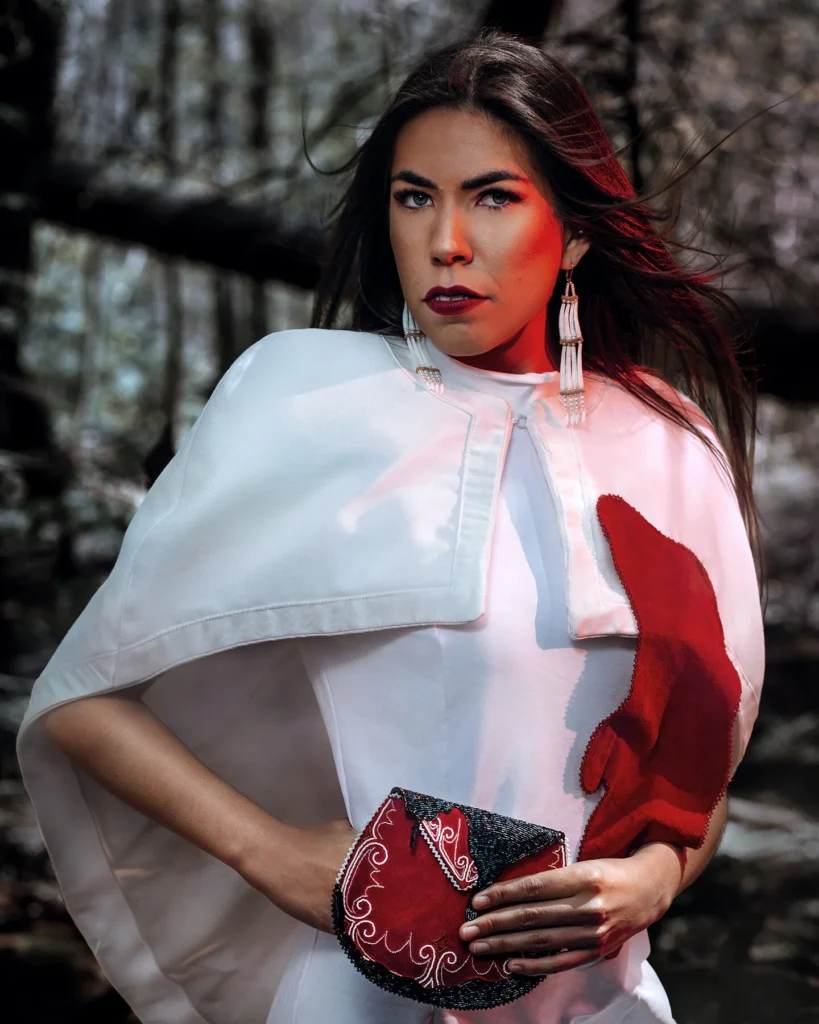
Oakley Rain Wysote Gray, Bleeding Heart Cape – M’st No’gmaq (All My Relations), 2021

7IDANsuu James Hart, Reconciliation Pole: Honouring a Time Before, During and After Canada’s Indian Residential Schools, 2015–17

Emma Hassencahl-Perley, White Flag, 2015

Brent Henry, English Only!, 2021

Shawn Hunt, Flipping the Bird, 2014

Lisa Jackson, Savage, 2009
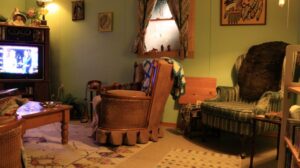
Ursula Johnson, ITHA: The Livingroom, 2021

Siassie Kenneally, All the Things That I Have Seen, 2016

Jake Kimble, It’s All So Incredibly Loud, 2025

Duane Linklater, i want to forget the english language, ulterior, 2020/23

Jim Logan, National Pastimes, 1991

Luke Marston, Bentwood Box, 2009

Kevin McKenzie, Being Indigenous, 2024

Meryl McMaster, Truth to Power, 2017

Kent Monkman, The Scream, 2017

Caroline Monnet, The Black Case, 2014

Tim Moore, Erasure Is Futile, 2021

Peter Morin, This is what happens when you perform the memory of the land (parts 1 and 2), 2013
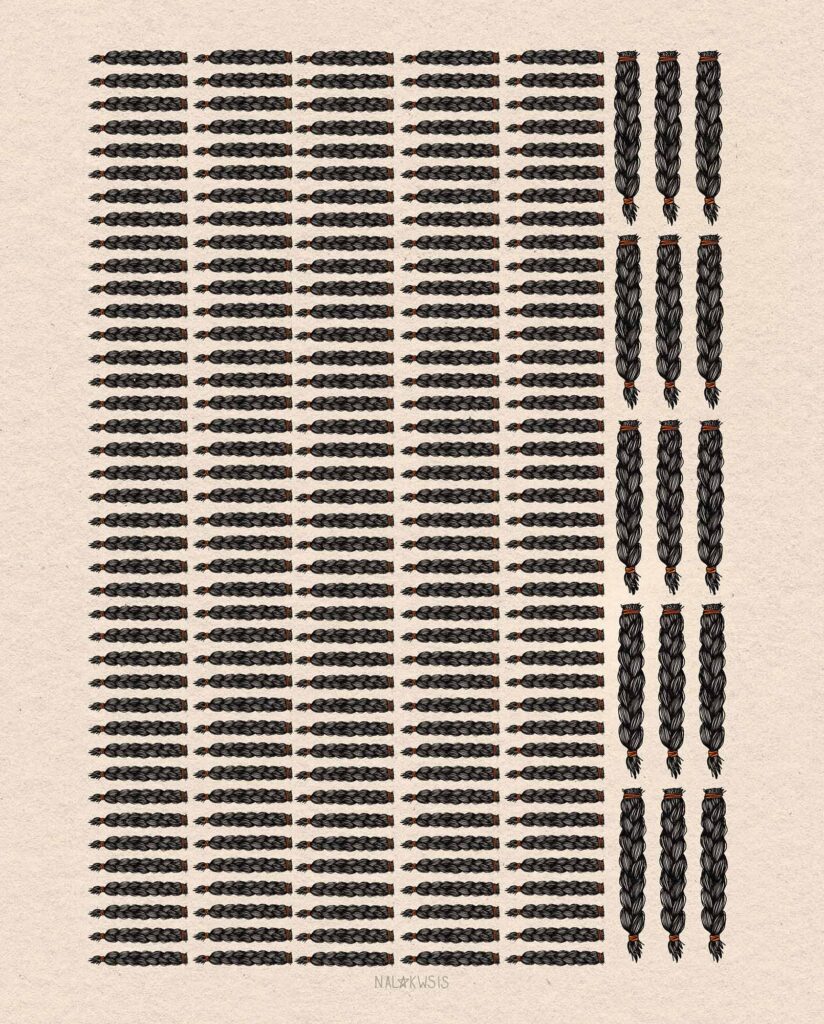
Saige “Nalakwsis” Mukash, 215 Braids, 2021

Nadia Myre, Indian Act, 2000–2002

Carey Newman, Witness Blanket, 2013–14

Davidee Ningeok, Sr., Residential School Nightmare, 2015

Shelley Niro, The Shirt, 2003

Luke Parnell, Neon Reconciliation Explosion, 2020

Dionne Paul, Her First Day of School, 2013
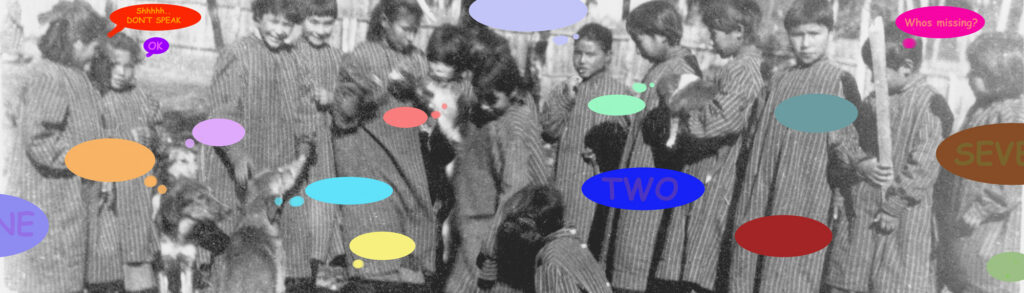
Edward Poitras, Don’t Speak, 2015

Barry Pottle, Yale Dormitory (Residential School), North West River, Labrador, 2015

Teharihulen Michel Savard, Reciprocity (Réciprocité), 2009

Jason Sikoak, Sacrilege, 2015

Greg Staats, Do’-gah – I don’t know [shrugging shoulders], 2020, archival pigment print on canvas on pine stretcher, oil, earth, Indian tobacco ash (edition 2 of 3), 142 x 175.3 x 2.5 cm, Agnes Etherington Art Centre, Kingston.

Alan Syliboy, Grandmother 1, 1997

Jeff Thomas, Broken Treaties, 1613–, 2020
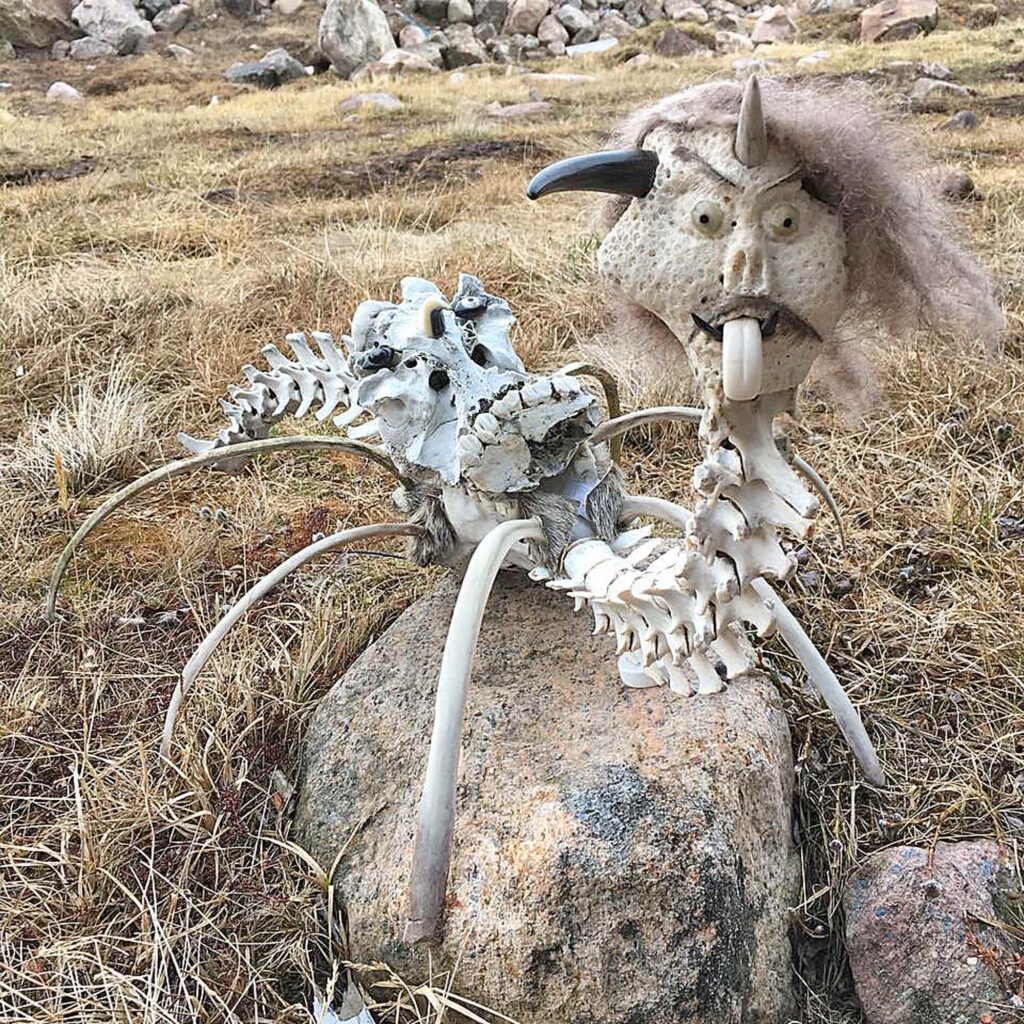
Jesse Tungilik, The Spirit of Intergenerational Trauma, 2019

Tania Willard, Be a Good Girl, 2017