Barry Pottle, Yale Dormitory (Residential School), North West River, Labrador, 2015

Barry Pottle, Yale Dormitory (Residential School), North West River, Labrador, 2015, digital photograph, dimensions variable.
Yale Dormitory (Residential School), North West River, Labrador by Inuit photographer Barry Pottle (b.1961) from Nunatsiavut, Newfoundland and Labrador, confronts the haunting persistence of residential and day school histories in Inuit Nunangat. Pottle, who lived in this dormitory from 1970 to 1975, positions his camera before the boarded-up structure, its skeletal form still marked by silence and cold. Taken decades later, the image is an act of personal return as well as a communal testimony to the enduring legacies of colonial schooling in the North.
The subarctic was not exempt from Canada’s assimilationist project. The principle “to kill the Indian in the child” applied equally to Inuit children, who were removed from their families and placed in institutions like Yale Dorm. In these spaces, language was suppressed, kinship ties severed, and children subjected to neglect and abuse. Pottle’s statement that he photographed the building “knowing that I may not see this place again” underscores both urgency and loss. The building may vanish, but its impacts remain inscribed on bodies, memories, and communities.

Barry Pottle, Awareness, 2009, digital photograph, 40 x 50 cm.
The stark image captures more than architectural ruin. Snow blankets the ground, muting sound and erasing traces of life, while the building’s shuttered windows suggest silenced voices. Yet, in documenting this absence, Pottle asserts presence—his own as a Survivor and, by extension, that of all who lived through these schools. The work insists that Inuit experience belongs within the broader history of residential schooling, which has
often centred First Nations narratives while marginalizing Inuit realities.
Critically, Pottle’s photograph disrupts reconciliation’s rhetoric of closure. The
Truth and Reconciliation Commission of Canada acknowledged Inuit experiences, but systemic redress has lagged, particularly in Newfoundland and Labrador, where Survivors had to fight for recognition. By returning to Yale Dorm with his camera, Pottle stages what can
be called an act of visual sovereignty: he reframes a colonial institution through Inuit eyes, reclaiming authority over how its history
is remembered. The act of looking, mediated through his lens, transforms the dormitory from a site of subjugation into one of testimony.
The aftermath of residential and day schools is not only intergenerational trauma but also intergenerational responsibility. Pottle’s image speaks to this duality: it bears the weight of memory while addressing future audiences who must continue the work of accountability. The photograph becomes an archive, refusing erasure and demanding that Inuit Nunangat’s stories of dispossession be placed within national and global discourses of justice.
Ultimately, Yale Dormitory is both personal and political. It mourns what was taken—language, kinship, cultural security—but it also affirms Inuit resilience. By standing before the decaying structure, Pottle confronts the colonial past on his own terms, transforming a site of imposed silence into an image that speaks. His work reminds us that reconciliation cannot proceed without fully reckoning with the histories of Inuit residential and day schools and without honouring the Survivors whose testimonies keep these truths alive.
Collection of A New Generation of Witness

Sonny Assu, Leila’s Desk, 2013

Michael Barber, A Silent Sky, 2022

Christi Belcourt, Giniigaaniimenaaning (Looking Ahead), 2012

Rebecca Belmore, Apparition, 2013

Rain Cabana-Boucher, Laying Flowers, 2021–24

Quill Christie-Peters, Portrait of Ste. Margaret’s Residential School and All It Could Not Contain, 2018

Dana Claxton, Headdress – Shadae and her Girlz, 2023

Beau Dick, The Ghost Confined to the Chair, 2012
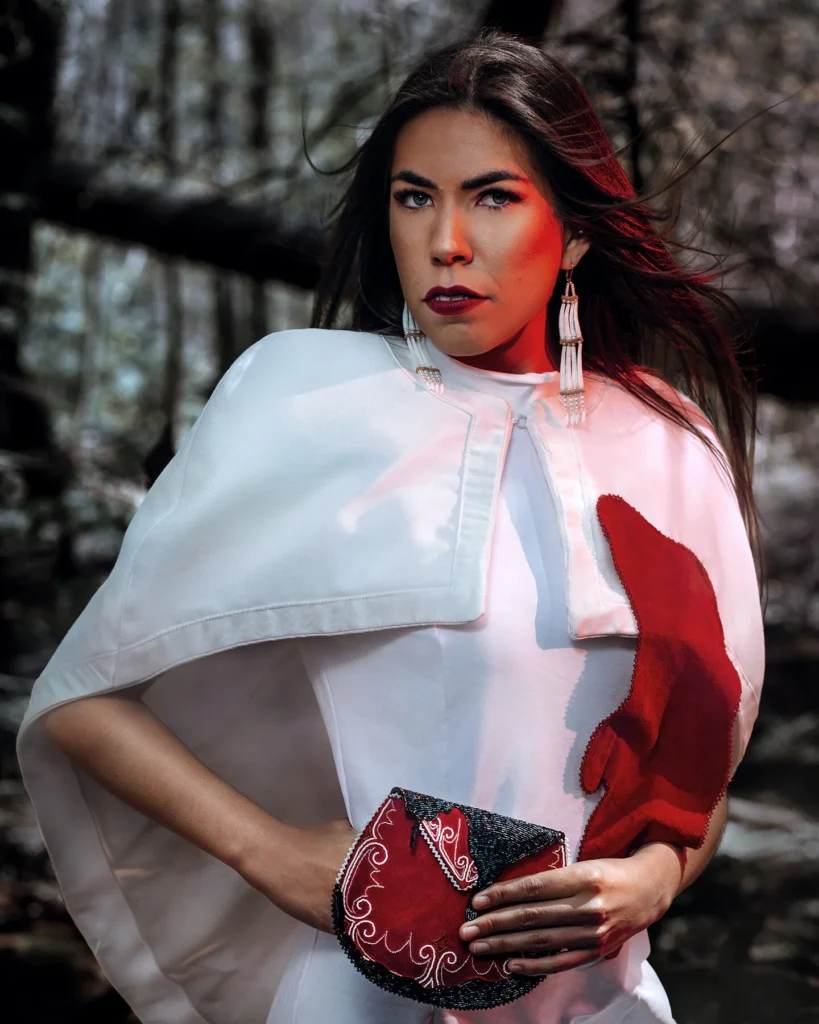
Oakley Rain Wysote Gray, Bleeding Heart Cape – M’st No’gmaq (All My Relations), 2021

7IDANsuu James Hart, Reconciliation Pole: Honouring a Time Before, During and After Canada’s Indian Residential Schools, 2015–17

Emma Hassencahl-Perley, White Flag, 2015

Brent Henry, English Only!, 2021

Shawn Hunt, Flipping the Bird, 2014

Lisa Jackson, Savage, 2009
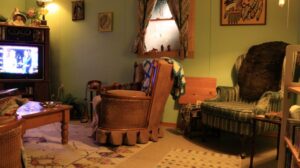
Ursula Johnson, ITHA: The Livingroom, 2021

Siassie Kenneally, All the Things That I Have Seen, 2016

Jake Kimble, It’s All So Incredibly Loud, 2025

Duane Linklater, i want to forget the english language, ulterior, 2020/23

Jim Logan, National Pastimes, 1991

Luke Marston, Bentwood Box, 2009

Kevin McKenzie, Being Indigenous, 2024

Meryl McMaster, Truth to Power, 2017

Kent Monkman, The Scream, 2017

Caroline Monnet, The Black Case, 2014

Tim Moore, Erasure Is Futile, 2021

Peter Morin, This is what happens when you perform the memory of the land (parts 1 and 2), 2013
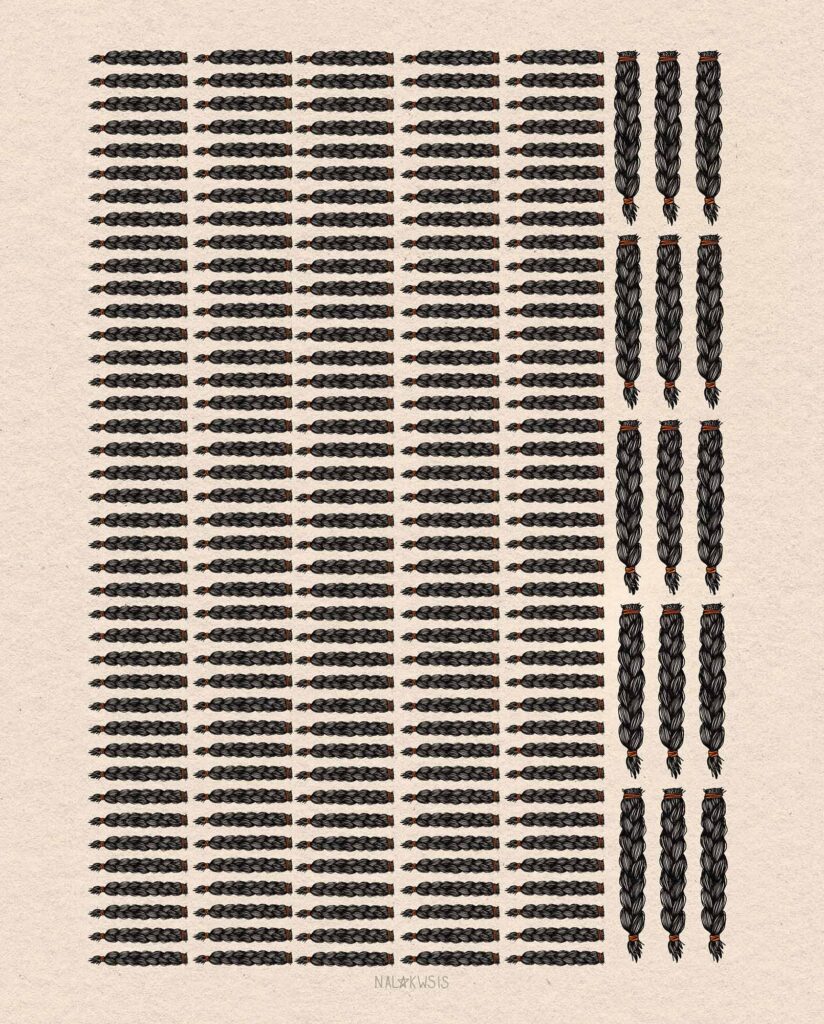
Saige “Nalakwsis” Mukash, 215 Braids, 2021

Nadia Myre, Indian Act, 2000–2002

Carey Newman, Witness Blanket, 2013–14

Davidee Ningeok, Sr., Residential School Nightmare, 2015

Shelley Niro, The Shirt, 2003

Luke Parnell, Neon Reconciliation Explosion, 2020

Dionne Paul, Her First Day of School, 2013
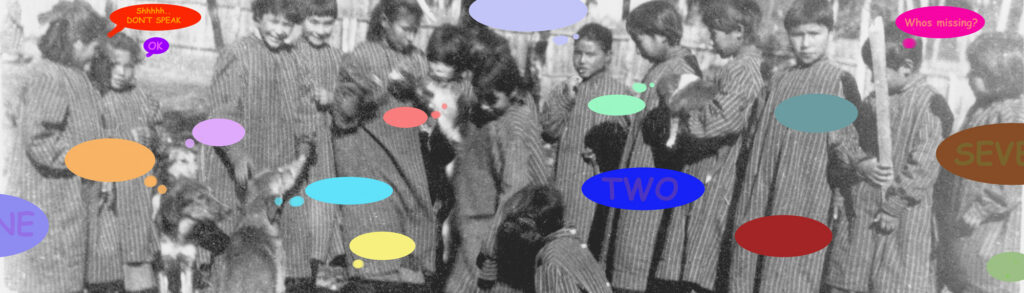
Edward Poitras, Don’t Speak, 2015
Barry Pottle, Yale Dormitory (Residential School), North West River, Labrador, 2015

Teharihulen Michel Savard, Reciprocity (Réciprocité), 2009

Jason Sikoak, Sacrilege, 2015

Greg Staats, Do’-gah – I don’t know [shrugging shoulders], 2020, archival pigment print on canvas on pine stretcher, oil, earth, Indian tobacco ash (edition 2 of 3), 142 x 175.3 x 2.5 cm, Agnes Etherington Art Centre, Kingston.

Alan Syliboy, Grandmother 1, 1997

Jeff Thomas, Broken Treaties, 1613–, 2020
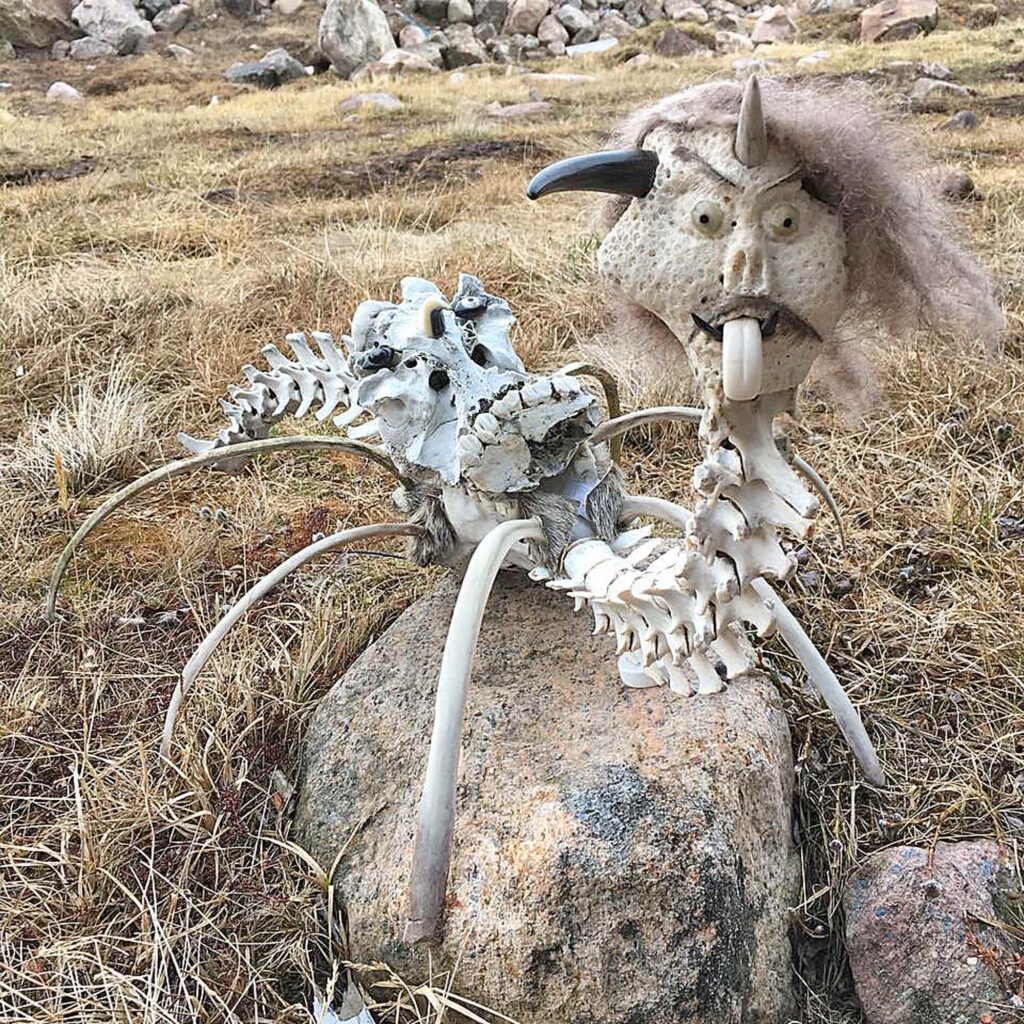
Jesse Tungilik, The Spirit of Intergenerational Trauma, 2019

Tania Willard, Be a Good Girl, 2017